



Get matched with top excavation pros in Rye, CO
Top-rated excavation pros.

Need a pro for your excavation project in Rye, CO?

Select your specific project to find the pro for you.

Find Excavation pros in Rye

Avatar for Jen2 Excavating llc
Jen2 Excavating llc
5.0(
6
)

Serving Rye, CO and surrounding areas

Approved

In business since 2024

Free estimates

Credit card accepted

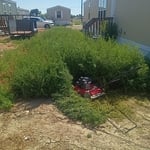
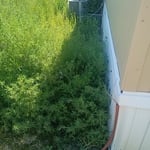
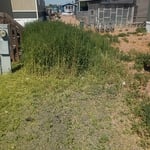
"Jen2 Excavating is an exceptional company in multiple ways. Yes, Marcus Garcia and his Jen2 team are prompt, polite, hardworking, from start to finish and estimate and price the work accurately and fairly. There is more to the story. We attempted to contact eight Pueblo and Pueblo West Companies to clear the tall grass, weeds, and brush that was rapidly overtaking our desert landscaped property. We sent them all a brief standardized description of the work and the land areas involved. Jen2 alone, responded immediately, came out the same day to estimate the work, and a week later our acre size yard was restored and cleared, and we were delighted with the work done. The other service companies contacted either failed to respond altogether or sent prefabricated emails and text messages within the time it took Jen2 to finish the work. So, start by contacting Jen2 if you have tall grass, weeds, and brush removal job, and avoid the disinterested candidates."
Response time6 hrs
Response rate91%
30 neighbors recently requested a quote
Avatar for T-Rex Tractor Service, LLC
T-Rex Tractor Service, LLC
5.0(
15
)

Serving Rye, CO and surrounding areas

Approved

In business since 2020

Free estimates

Credit card accepted

"Rex gave me a great price for the work done. He and his crew started and completed the job as promised. The job done was excellent! My yard looks fantastic! Weeds removed, dead tree dug out & landscaping sand covers the entire area!"
Response time3 hrs
11 neighbors recently requested a quote
Recommended by73%of homeowners
...
Showing 1-10 of 59
Excavating questions, answered by experts

Digging a bush up by the roots is the most natural DIY method for removing a bush stump. Start by identifying the shrub type and revealing its roots. Cut the shrub to its base and loosen the soil, ensuring no utility lines are nearby. Optionally, treat the base with herbicide, then dig around the roots and cut a circle around the shrub using various tools. Dig a trench, cut the base of the root ball, and finally fill the hole to prevent regrowth. This thorough process ensures complete removal without damaging surrounding areas.

A crawl space can be as little as 42 inches below the grade of your house, but this is not always recommended in flood-prone areas. At a minimum, there must be at least 16 inches of clearance between the ground and the floor joists to access the space in an emergency.

Yes, chipmunk holes may have two or more entrances. Chipmunks can create an entire network of burrows. Having multiple entrances makes it easier for them when trying to escape from a predator, such as a snake, or if an entrance collapses due to flooding. Each entrance leads to the nesting chamber underground, which is where the chipmunk spends the majority of its time sleeping.

Trenching and boring are two distinct methods for installing underground utilities. Trenching involves digging a channel using equipment like an excavator, trencher, backhoe, or shovel. While it is a simpler process, it causes significant disruption to the surface, landscaping, and surrounding ecosystems.

Boring, also known as directional boring, is a less invasive alternative that uses a drill to create a tunnel for utility lines without disturbing the surface. This method is more precise and is ideal for installations that need to go underneath buildings, roads, or bodies of water. Although boring is less disruptive, it is generally more expensive than trenching.

In the United States, a depth of 36 inches (three feet) for underground water lines is the accepted industry standard. This depth varies from location to location based on local conditions. In areas with colder winters, they may be buried deeper to prevent frozen well water pipes : This is usually at least six inches below the frost level. The International Plumbing Code calls for a minimum of 12 inches below grade.

The Rye, CO homeowners’ guide to excavation services

From average costs to expert advice, get all the answers you need to get your job done.