

Top-rated excavation pros.

Get matched with top excavation pros in Trinidad, CO

Enter your zip and get matched with up to 5 pros

Need a pro for your excavation project in Trinidad, CO?

Select your specific project to find the pro for you.

Find Excavation pros in Trinidad

Avatar for TRI-CAM EXCAVATION LLC
TRI-CAM EXCAVATION LLC
5.0(
3
)
Building Site - Preparation and ClearingBuilding Site - Preparation and Clearing - For BusinessExcavation - Major Grading or Resloping+2 more

Serving Trinidad, CO and surrounding areas

In business since 2018

Free estimates

Emergency services offered

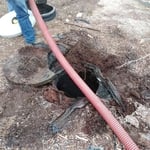
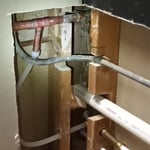
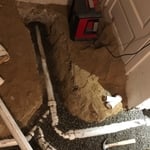
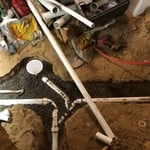
"Fantastic! Snaked and scoped the sewer line and found that there needed to be a clean out installed. Went and got the parts and did it right then, working into the dark hours in the middle of winter. He came out the day that I called him, after all other companies in the area stated "nothing could be done". I would recommend him over and over and over again! He also charged the most fair price as anyone in town and provided higher quality and better services than they were."
Additional Photos
Additional Photos
Additional Photos
Additional Photos
Additional Photos

+3

Response time1 day
Recommended by100%of homeowners

Six Point Excavating
5.0(
3
)
Building Site - Preparation and ClearingBuilding Site - Preparation and Clearing - For BusinessExcavation - Major Grading or Resloping+2 more

Serving Trinidad, CO and surrounding areas

In business since 2021

Free estimates

Credit card accepted

"Needed a leach field installed, called Six Point excavation talked with Jeremy Yoder, he was prompt worked with the inspector, worked us up a more than fair price, squeezed us in to his schedule and completed the job. Can't say enough about Him and the company, would recommend any day of the week. Great guy!!"
Response time4 hrs
Recommended by33%of homeowners
Showing 1-10 of 13
Excavating questions, answered by experts

Excavation is priced in cubic yards, so you’ll need to find the volume of the area in order to calculate costs. Multiply the length, width, and proposed depth of your excavation site, then convert it into yards to get the volume. Multiply this figure by the price per cubic yard.

Most homeowners can measure by hand to get a rough estimate, even if it’s tedious. You may want to pull out a tape measure or use a string to help mark the area.

We recommend removing the stump, and grinding is a popular way to do it. You can also dig out small stumps or stumps that have fully decayed instead of grinding them. However, don’t try using acids or fire for killing a tree stump, which is a fire hazard and illegal in many areas.

Leaving the stump alone invites eventual problems, including attracting termites, mold, and fungi.

Trenching and boring are two distinct methods for installing underground utilities. Trenching involves digging a channel using equipment like an excavator, trencher, backhoe, or shovel. While it is a simpler process, it causes significant disruption to the surface, landscaping, and surrounding ecosystems.

Boring, also known as directional boring, is a less invasive alternative that uses a drill to create a tunnel for utility lines without disturbing the surface. This method is more precise and is ideal for installations that need to go underneath buildings, roads, or bodies of water. Although boring is less disruptive, it is generally more expensive than trenching.

Because decomposed granite is a durable material, a crushed rock or gravel base is optional as long as the DG is properly installed and compacted. However, installing a base is a good idea because it will ensure proper drainage and stability and act as a weed suppressant (although you may still occasionally have to pull weeds). Installing an adequate base can also increase the durability of driveways and walkways. If you forego the paver base or gravel underneath, line the area with landscaping fabric to avoid weeds.

The physical constraints of hand-drilling a well limit the depth you can achieve. Manually digging with picks and shovels may only lead to shallow wells of up to 60 feet in depth. To reach greater depths, you need more specialized equipment. The diameter of your well and the tools you’re using will determine how far down you can dig.

The Trinidad, CO homeowners’ guide to excavation services

From average costs to expert advice, get all the answers you need to get your job done.