





Top-rated tree service pros.

Get matched with top tree service pros in La Veta, CO

Enter your zip and get matched with up to 5 pros

Need a pro for your tree service project in La Veta, CO?

Select your specific project to find the pro for you.

Find Tree service pros in La Veta

Avatar for Luke's Painting Company
Luke's Painting Company
4.4(
40
)
Tree RemovalTree Removal - For BusinessTree Stump - Remove+5 more

Serving La Veta, CO and surrounding areas

In business since 2017

Free estimates

Credit card accepted

"Luke was amazing. He gave us a quick quote that was reasonable. He started and worked when he said he would. He kept us updated and sent pictures afterward. The quality of his work was excellent. I was so pleased with his work. He went above and beyond by doing a couple extra things for us as we were out of state. I would and will recommend him to anyone looking for a professional quality painter!"
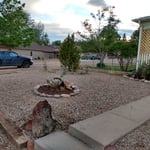
After.. what an amazing difference!
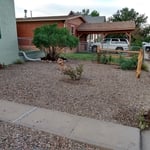
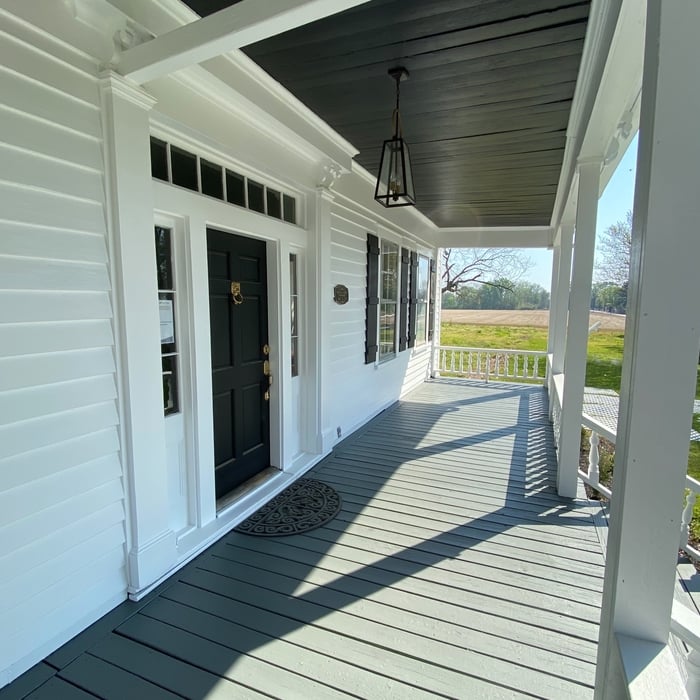
After picture of the beautiful entryway
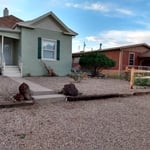
after picture of the fence
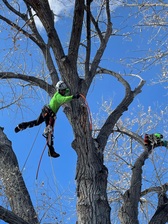
after.. beautiful color!
Exterior Painting in Sellers, SC

+76

Recommended by93%of homeowners
Showing 1-10 of 34
Tree Service questions, answered by experts

Hiring an arborist costs around $900 on average, with prices ranging from $250 to $2,500 or more. Some arborists charge an hourly rate, typically between $100 and $350 per hour. The final cost depends on several factors, including the type of work, the number of trees, accessibility, and whether you hire an independent arborist or a larger tree service company. When hiring, you should also consider their experience and insurance coverage.

Below are some estimated costs for common arborist jobs:

  • Small tree removal: $300 to $500

  • Large tree removal: $500 to $2,000 or more

  • Tree health assessment: $150

  • Trimming a small tree: $75 to $200

  • Trimming a large tree: $150 to $400

  • Dealing with invasive species: $150 to $1,000 or more

Generally speaking, you’ll want to avoid flush cuts, which are cuts made as extremely close to the trunk or main branch. These cuts can weaken your tree, lower its natural defense mechanisms, and even cause decay. You’ll also want to avoid tree topping, which is the total removal of the leader and upper main branches of a tree. 

Most pros will advise against either of these methods, which is why hiring a pro is often the best choice when it comes to tree trimming.

There are several methods to hollow out a tree stump, and the best one depends on your tools, experience, and priorities. Common methods include using a chisel and hammer, a chainsaw, or burning.

  • Chisel and Hammer: This is often considered the easiest approach for those with limited tools or experience, though it is the most time-consuming.

  • Chainsaw: Using a chainsaw is the fastest method, but it comes with significant safety risks, especially for inexperienced users.

  • Burning: This can be an effective method, but it is not recommended unless you can first drill holes into the stump. Without holes, the stump will be difficult to light and may not burn completely through.

A power drill with at least a ⅜-inch diameter bit can make the job quicker and easier, regardless of the primary method. While you can use a chisel or chainsaw without a drill, it will require more time and effort. Always wear protective goggles and thick gloves, as splinters are an inevitable risk.

If you’re planning on keeping the tree, unless the roots are invasive, there’s no need to remove them, as doing so can cause damage to the tree. If the tree has been cut down and the stump and roots are left, grinding and removing the stump can cause root decay for some species. For other species, the stump and roots will need to be removed to prevent pests, disease, and possible tree regrowth.

Absolutely. These steps are significantly easier, too, especially when it comes to preserving the root ball and moving the palm tree. However, you will want to make sure the tree has plenty of fertilizer to establish itself and start growing. Supports may also be more important, as it can take extra time for a potted palm to spread out its roots. If you are transferring a palm to another pot, you’ll want to move up a size or two to a larger pot. Make sure the pot has excellent drainage to keep the palm from getting waterlogged.

The La Veta, CO homeowners’ guide to tree services

From average costs to expert advice, get all the answers you need to get your job done.