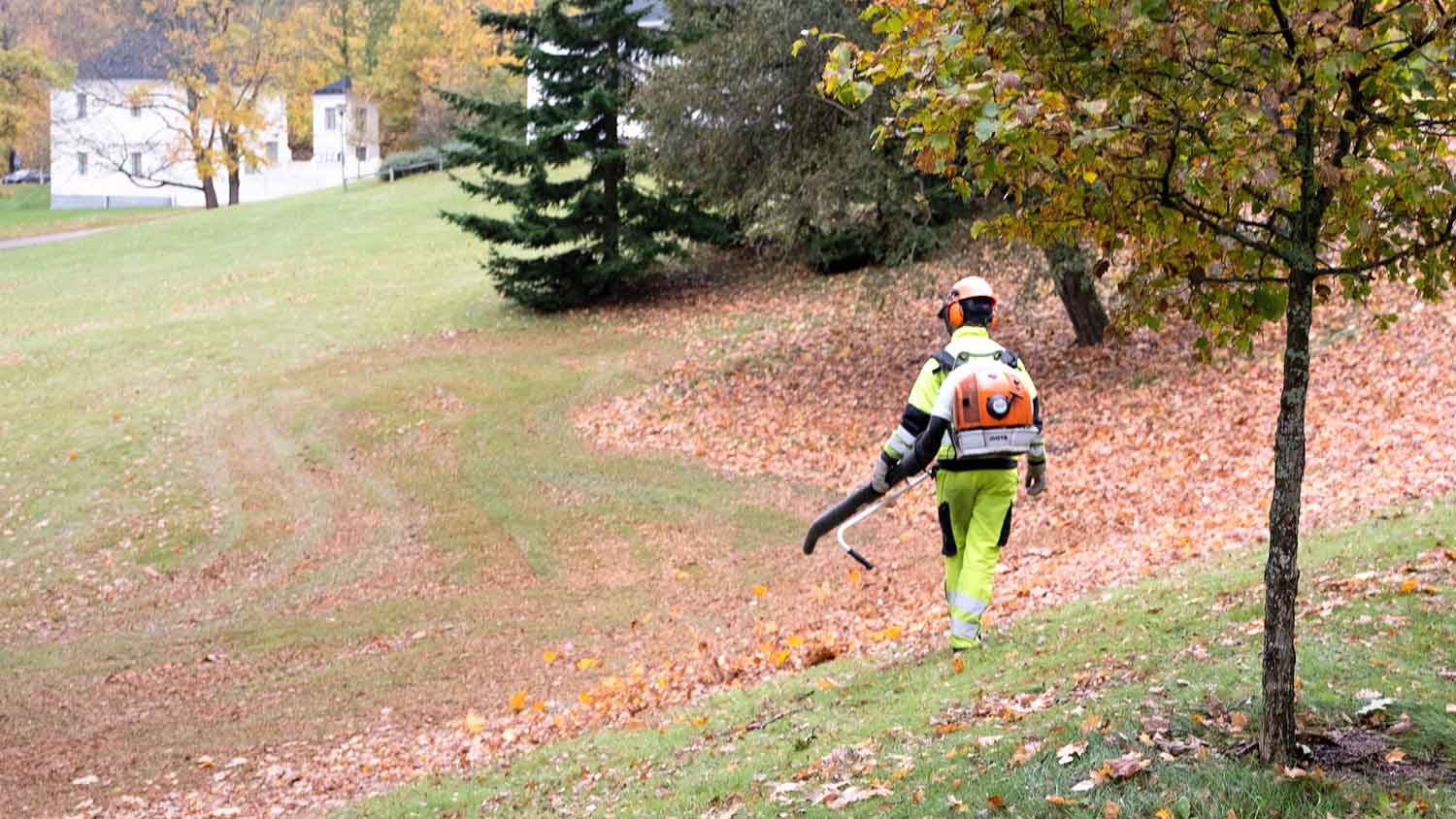
Top-rated leaf removal pros.

Best leaf removal pros near Howard, CO

Enter your zip and get matched with up to 5 pros

Need a pro for your leaf removal project in Howard, CO?

Select your specific project to find the pro for you.

Top-Rated Leaf removal pros in Howard - Updated Nov 2026

Idir Sadaoui
New to Angi
Waste, Junk, Building Materials and Debris - Remove and Haul

Serving Howard, CO and surrounding areas

Approved

Free estimates

Emergency services offered

Small jobs welcome

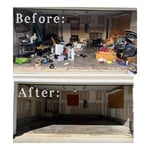
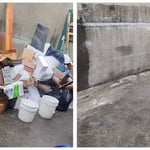
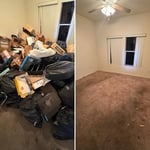
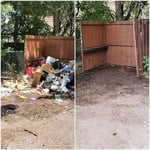
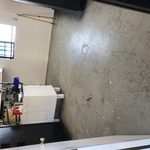
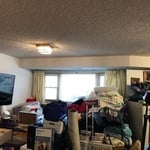
We’re a local junk removal team serving Denver and surrounding areas. We make getting rid of unwanted items simple, fast, and hassle-free.\n\nWe can help with furniture, appliances, garage cleanouts, yard debris, household junk, and more. Whether it’s a single item or a larger cleanout, send us a few pictures of what you need removed and we’ll provide a free quote.\n\nWe’re committed to showing up on time, working efficiently, and leaving your space clean when we’re done.

Garage cleanout
Outside cleanout
Room cleanout
Backyard cleanout
21 neighbors recently requested a quote
Safeway Environmental and Abatement LLC
New to Angi
Waste, Junk, Building Materials and Debris - Remove and Haul

Serving Howard, CO and surrounding areas

Approved

Hi everyone, I'm Valeria Garcia, owner of Safeway Environmental And Abatement LLC. We specialize in certified asbestos inspections and safe removal, helping homeowners and contractors in Colorado manage hazardous materials safely. Our priority is to keep your renovation projects compliant, safe, and on track by ensuring your space is completely clear of Asbestos, Lead, Meth contamination, and Mold.

Avatar for Rocky Mountain Moves
Rocky Mountain Moves
5.0(
17
)
Waste, Junk, Building Materials and Debris - Remove and Haul

Serving Howard, CO and surrounding areas

In business since 2020

Free estimates

Credit card accepted

"These guys were great. We used them to haul a large chair away and they even brought up our new chair for us from The car for no extra charge and unwrapped it for us. Great price and very easy to work with when we had to reschedule due to bad weather. Will definitely hire them again."
Response time4 hrs
Response rate85%
Recommended by7%of homeowners
Showing 1-10 of 39
Leaf Removal FAQs, answered by experts

While not all homes built before 1978 contain lead paint, enough do, so you’ll still want to test to be on the safe side. The federal government banned lead-based paint for homes in 1978, but your state may have banned lead before that time. Around 24% of homes built between 1960 and 1977 contained lead-based paint, while 87% of homes built before 1940 contained lead-based paint.

When a surface that contains lead dust is disturbed, the dust can float about in the air for roughly an hour before settling again. Since you cannot see the dust, it is important always to wear protective gear when working with any materials that may contain lead paint and to keep children, pets, and others away from the area for as long as possible

Government regulations such as the EPA and OSHA govern lead removal procedures to ensure health and environmental safety during and after abatement.

If the lead paint is in a place that is not easily disturbed and is not flaking or deteriorating, you do not necessarily need to remove it. Lead is toxic when dust particles or flakes from peeling lead paint are ingested. If people are not in the area with the lead paint, it may be safe to leave it in place. You still may want to consider encapsulation with a paint formulated for covering lead-based paint, just for an added layer of protection.

According to the Environmental Protection Agency (EPA), hazardous waste is generally classified into four main categories:

1. Characteristic Wastes: These exhibit at least one of four hazardous traits: ignitability (flammable, like gasoline), corrosivity (can rust or decompose materials, like car batteries), reactivity (unstable and can explode, like aerosol cans), or toxicity (harmful when ingested, like lead-based paint).

2. Listed Wastes: These are specific wastes from manufacturing and industrial processes that the EPA has officially designated as hazardous. They include byproducts from processes that use solvents, pesticides, and other chemicals.

3. Universal Wastes: These are commonly generated hazardous items that are subject to streamlined regulations. Examples include batteries, pesticides, mercury-containing equipment (e.g., bulbs), and some lamps.

4. Mixed Wastes: This category includes waste that contains both hazardous and radioactive components, making it subject to regulation by both the EPA and the Nuclear Regulatory Commission.

The Howard, CO homeowners’ guide to leaf removal services

From average costs to expert advice, get all the answers you need to get your job done.