




Top-rated tree service pros.

Best tree service pros near Howard, CO

Enter your zip and get matched with up to 5 pros

Need a pro for your tree service project in Howard, CO?

Select your specific project to find the pro for you.

TRUSTED BY HOWARD, CO HOMEOWNERS

  • Average homeowner rating star icon4.7
    Average homeowner rating
  • Verified reviews icon15
    Verified tree services reviews

Top-Rated Tree service pros in Howard - Updated Nov 2026

Avatar for Wise Tree Service
Wise Tree Service
5.0(
24
)
Tree RemovalTree TrimmingTree Stump - Remove+3 more

Serving Howard, CO and surrounding areas

Approved

In business since 2013

Free estimates

Small jobs welcome

"This professional team did and excellent trimming job on 1 medium and 2 large trees on our small residential lot in town. Our lage beautiful ash tree had serious problems which they cleaned up and rescued the tree. Professioanl crew with professional equipment and excellent clean up."
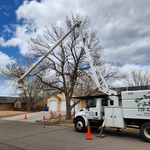
Tree pruning
tree removal
Response time6 hrs
Response rate100%
30 neighbors recently requested a quote

Avatar for Joseph's Tree Service
Joseph's Tree Service
4.6(
13
)
Tree RemovalTree Removal - For Business

Serving Howard, CO and surrounding areas

In business since 2013

Free estimates

Emergency services offered

"I needed tree removal and resodding done in a hurry and after I talked to them, they gave me an accurate estimate and finished the work the next day. I'll definitely call them again!"
Response time2 days
Response rate92%
Recommended by92%of homeowners
Showing 1-10 of 38
Tree Service FAQs, answered by experts

There are four common ways to prune a tree correctly: crown thinning, crown reduction, crown raising, and crown cleaning. The method you choose depends on the purpose of pruning. However, making the correct cuts is a vital part of the process, regardless of your method. Pruning incorrectly can damage or even kill the tree. So, you may want to hire a professional tree-trimming company to tackle the task. 

It’s not as common for Dutch elm disease to affect other types of trees, especially if the surrounding trees aren’t elms. However, it is possible for DED to spread to other trees, particularly in northern states, like Minnesota. In fact, it’s a good idea to use geography to identify wood and determine which types of trees are in your yard. 

Unfortunately, the complex and shallow root system of elm trees makes surrounding elm trees particularly vulnerable to DED. Early discovery is key!

Since each tree is different, it’s impossible to say how long a dead tree can remain on your property. While it could be days, months, or even years, it’s highly likely that, at some point, the tree will fall. In the meantime, dying or dead trees can become a haven for pests, so it’s best to have them removed sooner rather than later.

It can be bad to leave a dead stump in the ground. A stump becomes a hefty piece of dead wood in time and eventually (especially with the help of rain) starts to rot. That makes it a locus point for diseases and pesky insects, as well as a bit of an eyesore. It’s best to remove a tree stump completely before it starts to decay, especially before it starts to fall apart. If the tree was removed because of disease, it’s even more important to fully remove the stump if possible.

You don’t always need a permit to grind a stump, but you might need one depending on your location and the stump’s surroundings. Permits are often needed if the stump is part of a protected tree species, near public areas or utility lines, or close to environmentally sensitive zones like wetlands. Some cities also regulate noise and work hours. Always check local rules before grinding, and contact your city or county office if you're unsure.

The Howard, CO homeowners’ guide to tree services

From average costs to expert advice, get all the answers you need to get your job done.