



Top-rated radon detection and reduction specialists.

Get matched with top radon detection and reduction specialists in Hale, CO

Enter your zip and get matched with up to 5 pros

Need a pro for your radon detection and reduction project in Hale, CO?

Select your specific project to find the pro for you.

Find Radon detection and reduction specialists in Hale

Meadows All About Inspections, LLC
New to Angi

Serving Hale, CO and surrounding areas

In business since 1999

Free estimates

Credit card accepted

Thank you for your interest in Meadows All about Inspections, LLC. In business since 1999, we serve the entire state of Colorado with quality home inspections and indoor air quality testing. We are FHA inspection certified. \nPlease give us a call today for a fair inspection. We give free estimates, but will charge a small trip charge over 35 miles.\n

Radon Detection and Reduction questions, answered by experts

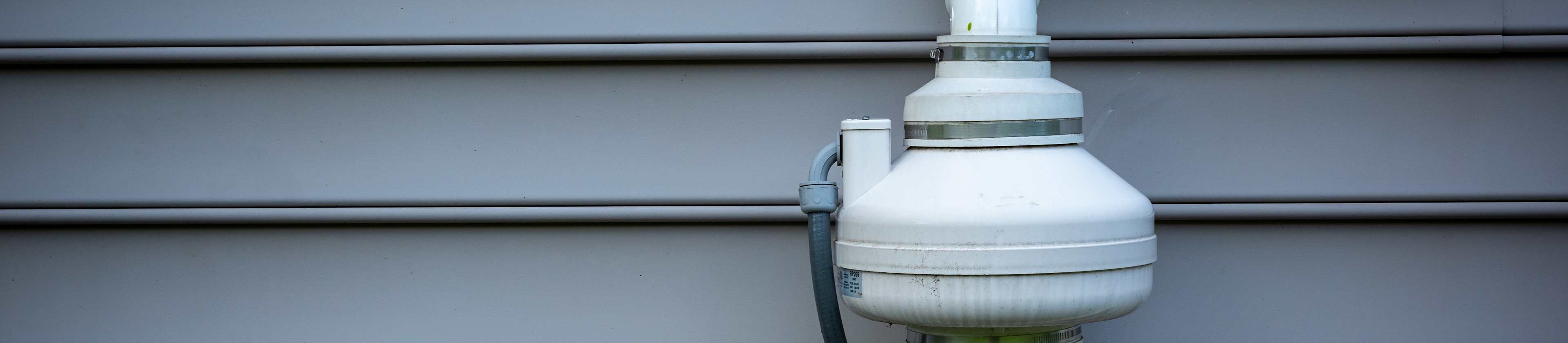
If your home has a sump pit, you can integrate it with a radon mitigation system. You can accomplish this by sealing the pump cover with an airtight lid that accommodates radon vent pipes and sump pump hoses. This allows the vent pipe to redirect the radon gas outside of your home.

The cost for a radon mitigation system typically ranges from $800 to $1,500, with an average around $1,000. The final price depends on several factors, including the size of your home, the severity of the radon issue, and the type of system required. Your home's foundation type also significantly impacts the cost. For example, sealing and ventilating an unfinished basement might cost around $4,600, while encapsulating a crawl space without a foundation slab can range from $1,500 to $15,000.

Radon enters your home when warm air begins to rise and exits through the roof, creating a vacuum that pulls cooler air from under the foundation. Part of that air is radon, which is an invisible, odorless gas that develops naturally when radioactive particles are deep within the ground. Those particles usually come from decaying matter in soil and rocks.

The soil beneath your house is most likely what’s causing an increased level of radon. This is because soil holds radioactivity for a long time and it’s also what most buildings are built on. Another common source of radon is water from a source that hasn’t been through periodic radon tests, such as well water. Over time, the radon from the soil can inhabit other parts of your house like the foundation or plumbing.

Radon is present almost everywhere but, like sunlight, the concentration levels and how often you are exposed to it have a large part to play in just how dangerous it is. There are levels of radon that are acceptable inside a house, but above a certain limit, radon becomes a serious radioactive hazard that is a known cause of lung cancer. In fact, radon exposure is the number two leading cause of lung cancer (after smoking).

The Hale, CO homeowners’ guide to radon detection and reduction services

From average costs to expert advice, get all the answers you need to get your job done.

What do you need done? We’ll find top pros.
  • 🌱 "Mow a small front yard"
  • 🛠 "Fix a leaking pipe under the sink"
  • 🏠 "Repair shingles on an asphalt roof"