


Top-rated radon detection and reduction specialists.

Get matched with top radon detection and reduction specialists in Colby, KS

Enter your zip and get matched with up to 5 pros

Need a pro for your radon detection and reduction project in Colby, KS?

Select your specific project to find the pro for you.

Find Radon detection and reduction specialists in Colby

Avatar for S&S Home Inspections
S&S Home Inspections
4.6(
21
)

Serving Colby, KS and surrounding areas

Approved

In business since 2012

Customers say: Quick response

"Showed up early. Very professional. Went over every corner of the place. price was great compared to others in the area. He is an amazing inspector. very happy with it."
 Handyman repair
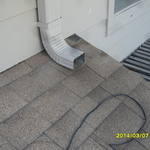
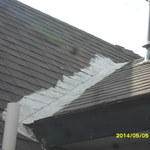
 Gutters should not dispense onto a roof covering
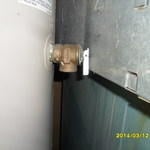
 TPR valve should extend to within 6" of the floor
Kansas Radon Levels
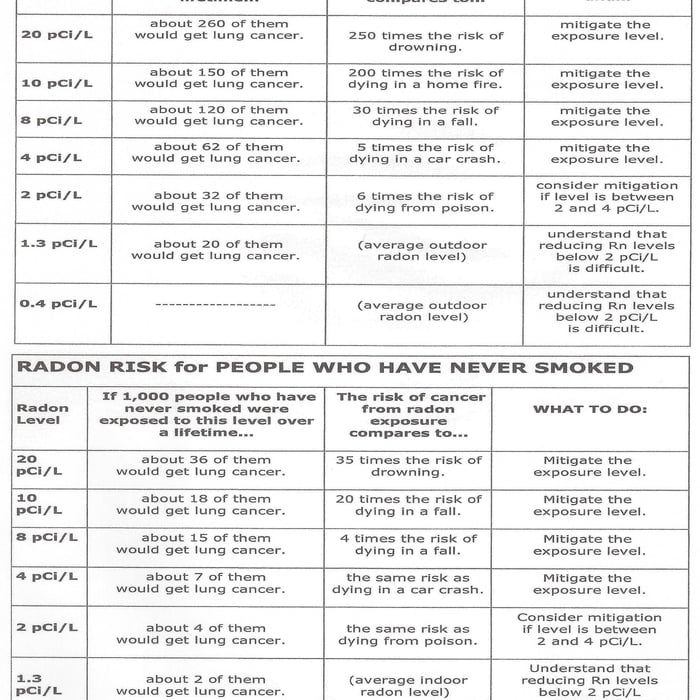
Radon Exposure and Smoking

+1

4 neighbors recently requested a quote
Recommended by100%of homeowners

Radon Detection and Reduction questions, answered by experts

The cost to replace a radon fan ranges from $300 to $600 for the fan itself, with installation adding an additional $200 to $500. Overall, the total cost for replacement can range from $500 to $1,100, depending on factors such as the fan model, home size, and local labor rates. If the fan is part of a larger radon mitigation system, the price may be higher.

No, air purifiers are not an effective way to reduce or remove radon. Radon is a radioactive, inert gas that cannot be filtered by standard air purifiers, which are designed to capture particulates like dust and mold. While an air purifier can improve indoor air quality by removing other pollutants, it should not be relied upon for radon. The only effective solution for high radon levels is a dedicated radon mitigation system.

There are steps you can take as a homeowner to remediate radon yourself. While a radon reduction professional can make the biggest impact in your home, you can make efforts to improve radon levels on your own by sealing cracks, increasing ventilation, and testing for radon regularly.

The natural breakdown of uranium in soil, rock, and water can cause radon to appear in a home. The gas seeps into homes through cracks in foundations, walls, or floors, as well as through gaps around pipes or construction joints. Radon levels are influenced by soil composition, building materials, and ventilation. Poorly sealed or airtight homes can trap radon, allowing it to accumulate.

Testing every 2-5 years or upon adjusting occupancy or structural changes maintains safe environments.

The Colby, KS homeowners’ guide to radon detection and reduction services

From average costs to expert advice, get all the answers you need to get your job done.