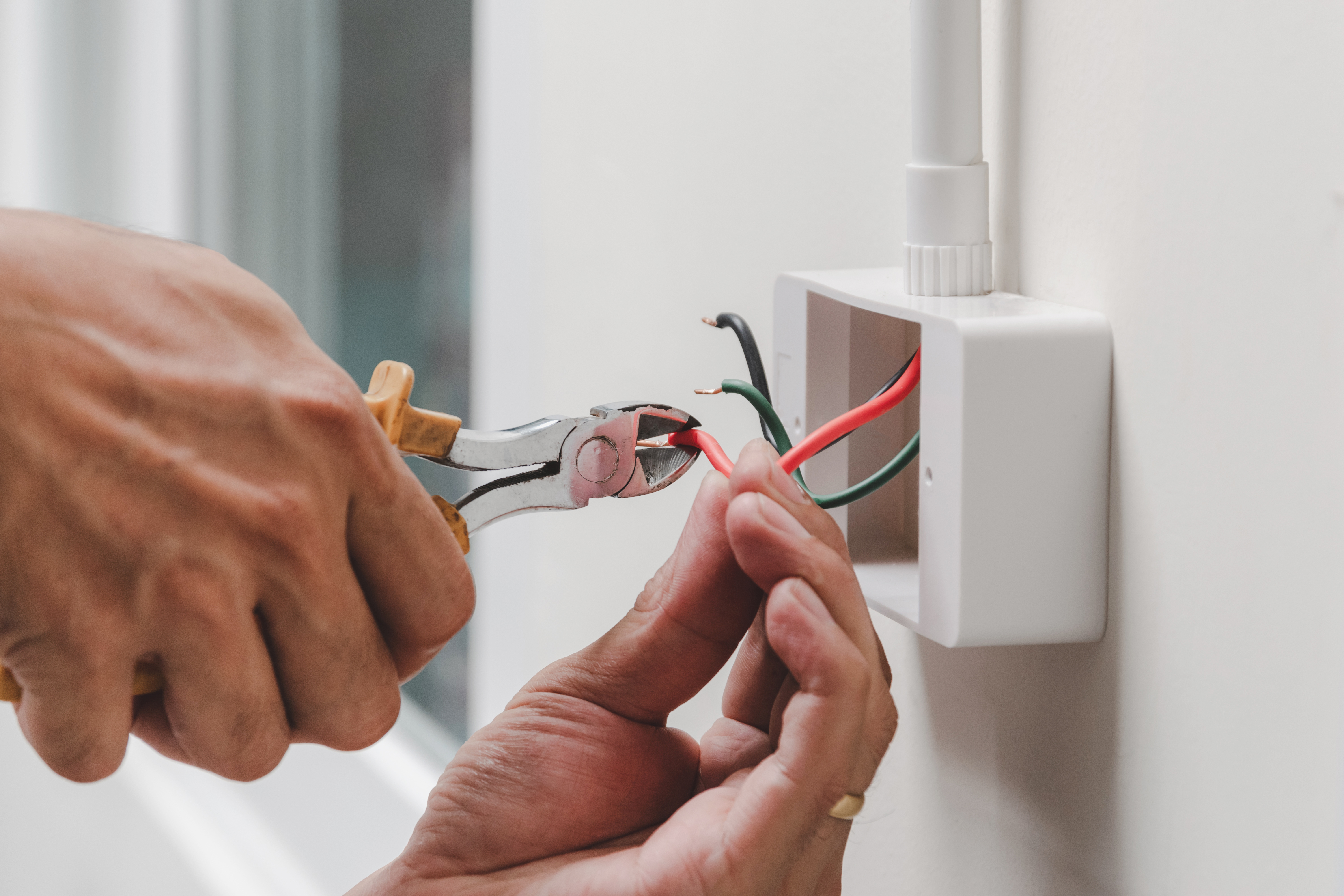







Top-rated doorbell installation pros.

Get matched with top doorbell installation pros in Traver, CA

Enter your zip and get matched with up to 5 pros

Need a pro for your doorbell installation project in Traver, CA?

Select your specific project to find the pro for you.

TRUSTED BY TRAVER, CA HOMEOWNERS

  • Average homeowner rating star icon4.4
    Average homeowner rating
  • Verified reviews icon396
    Verified doorbell installation services reviews

Find Doorbell installation pros in Traver

No results for Doorbell installation pro in

Try adjusting your search criteria.
Doorbell Installation questions, answered by experts

While fiberglass is dangerous to work with, it’s a perfectly safe material once it’s installed. If you’re tackling the installation yourself, make sure you take the proper safety precautions and wear the right gear to avoid skin and eye irritation and lung complications. Working with a professional insulation company can mitigate these risks.

On average, insulating an attic costs about $2,500, with a typical range of $1,500 to $3,500. The final price often depends on the attic's size, with costs generally falling between $1 to $3 per square foot. For example, insulating a 1,800-square-foot attic would likely cost between $1,800 and $5,400.

If the project involves removing old insulation, this can add an average of $900 to the total cost, bringing a full removal and reinsulation project to around $3,000.

Several factors influence the overall cost:

  • Insulation Type: Prices per square foot vary significantly by material.

  • Reflective: $0.50–$1.50

  • Blown-in: $1–$4

  • Batt: $2–$4

  • Loose-fill: $2–$5

  • Spray foam: $2–$5

  • Structural insulated panels (SIPs): $4–$7

  • Project Complexity: Factors like sealing air leaks, poor attic accessibility, and required inspections can add to the cost.

  • Removal Issues: The discovery of mold, asbestos, or pests during the removal of old insulation can substantially increase the price.

Natural fiber batts and spray foam insulation both work great for soundproofing. Newer materials, such as hemp batts, are more expensive but more effective for insulation and sound blocking. They are also more sustainable. There is also a professional system called Blow-In Blanket Insulation (BIBS) that is soundproof and moisture-resistant. However, BIBS must be installed professionally and can be a costly investment.

When it comes to fiberglass insulation versus foam board, there are a few notable differences, both aesthetically and functionally. Fiberglass insulation is soft and flexible, meaning it can be squeezed into tight spaces more easily than foam board. Fiberglass insulation also has a higher R-value, making it a better pick for colder climates. However, foam board insulation can resist moisture and pest damage much better than fiberglass.

A plastic vapor barrier should completely cover your basement to prevent water from penetrating through the walls. This typically goes before installing insulation to prevent moisture from building up and becoming trapped on the inside of your insulation, where it can collect and lead to mold damage. Installing insulation after the vapor barrier allows for any moisture to exit the walls for better ventilation.

The Traver, CA homeowners’ guide to doorbell installation services

From average costs to expert advice, get all the answers you need to get your job done.