



Top-rated wall repair pros.

Get matched with top wall repair pros in Shingletown, CA

Enter your zip and get matched with up to 5 pros

Need a pro for your wall repair project in Shingletown, CA?

Select your specific project to find the pro for you.

TRUSTED BY SHINGLETOWN, CA HOMEOWNERS

  • Average homeowner rating star icon4.3
    Average homeowner rating
  • Verified reviews icon15
    Verified wall repair services reviews

Find Wall repair pros in Shingletown

Avatar for Just Stamping Concrete
Just Stamping Concrete
5.0(
28
)
Poured Concrete Wall - Repair

Serving Shingletown, CA and surrounding areas

Approved

In business since 2007

Free estimates

Credit card accepted

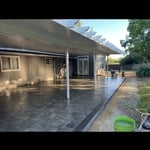
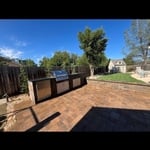
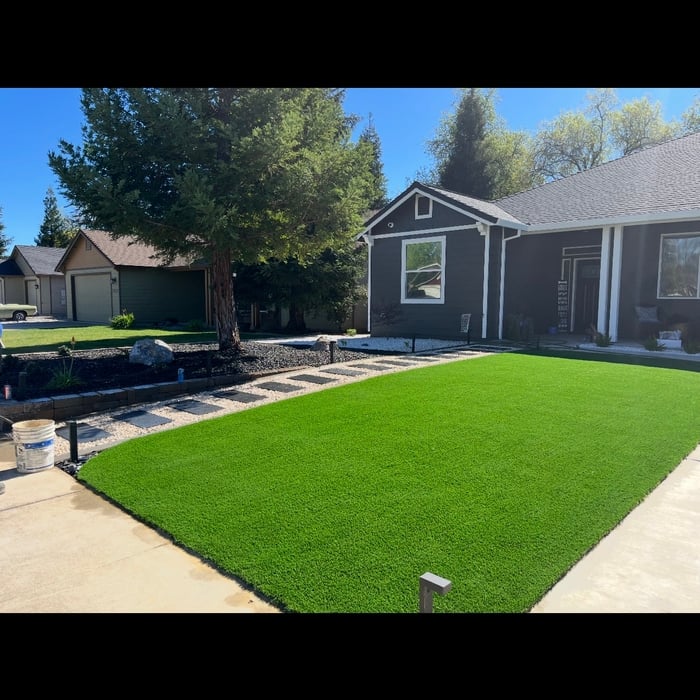
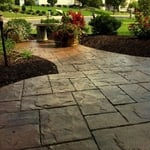
"I hired this service to design my backyard and I couldn't be happier with the outcome. The designer was able to take my vision and turn it into a beautiful reality. They provided a detailed plan and were able to work within my budget. The installation team was professional and the work was completed on time. I highly recommend this service for anyone looking to enhance their outdoor living space."
Concrete
Response time2 hrs
Response rate100%
2 neighbors recently requested a quote
...
Showing 1-10 of 107
Wall Repair questions, answered by experts

While vinyl is the least costly material for building a retaining wall, the most cost-effective method is to use wood or concrete blocks for a DIY retaining wall under 2 feet tall. Wood is inexpensive but lasts 20 years or more with care. Concrete can cost a little more but is stronger and will last longer with less maintenance.

Generally, a railroad tie retaining wall consisting of a single line of ties should be between 3 and 4 feet tall—and the height often tops out at around 6 feet. You can go taller, but you may need additional footings and reinforcements, including a second layer of railroad ties to support the added weight of the soil it’s holding back.

There are contractors specifically trained in the design and construction of retaining walls. Retaining wall contractors are skilled at dealing with the soil on your property and assessing what kind of drainage should be installed. They will recommend the best materials to use for the project and can handle the processing of permits by local authorities.

Rebar is a steel support that goes inside concrete to prevent structural damage over time. Concrete is susceptible to impact, weight, and tension. By inserting rebar into the concrete during the installation, you can help extend its lifespan and avoid hazardous situations where the foundation of your home gives way to tensile forces.

Sand and gravel are two suitable options for filling behind a retaining wall. If you’re building your own retaining wall, you’ll complete this part of the process—known as backfilling—after you finish laying the blocks. Make sure not to skip it—otherwise, you could wind up with drainage issues, which can cause your retaining wall to collapse.

The Shingletown, CA homeowners’ guide to wall repair services

From average costs to expert advice, get all the answers you need to get your job done.