



Top-rated aquarium service pros.

Get matched with top aquarium service pros in Shingletown, CA

Enter your zip and get matched with up to 5 pros

Need a pro for your aquarium service project in Shingletown, CA?

Select your specific project to find the pro for you.

TRUSTED BY SHINGLETOWN, CA HOMEOWNERS

  • Average homeowner rating star icon4.2
    Average homeowner rating
  • Verified reviews icon13
    Verified aquarium services reviews

Find Aquarium service pros in Shingletown

Avatar for Stockton Landscape and Gardening Service
Stockton Landscape and Gardening Service
4.0(
12
)
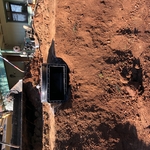
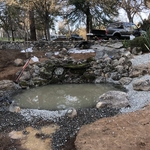
Water Feature - Install a Pond

Serving Shingletown, CA and surrounding areas

Approved

In business since 1994

Warranties offered

Small jobs welcome

"A kind and very creative man. Much to offer customers in knowledge of plants and trees etc. Hard working and honest to the core. One of the nicest people you could ever meet. Can't wait to hire him again. Our wall is BEAUTIFUL."

Water fall and pond.

+76

Response time2 days
14 neighbors recently requested a quote
Recommended by88%of homeowners

Aquarium Services questions, answered by experts

Baking soda can help neutralize septic tank odors. If the pH balance in your tank is off, it may emit a sulfurous, rotten-egg-like smell. Flushing about one cup of baking soda down the toilet once a week can help neutralize the odor. To increase the beneficial bacteria in your tank, you can add three rotten tomatoes through your garbage disposal every three months.

To prevent odors in the first place, only flush human waste and toilet paper. Avoid pouring coffee grounds, fats, oils, or grease down your drains, as this can lead to clogs. While these methods can help, the most effective long-term solution is to have your septic tank pumped regularly, typically every three to five years. Because sewage gas can be toxic, it is recommended to hire a professional to identify the source of the smell rather than only trying to neutralize it.

Depending on the home, wastewater either goes into a septic tank and seeps back into the backyard or is sent via sewer system to a local sewage-treatment plant. Septic systems naturally separate different components of the waste so that it can naturally and safely disperse it. They are usually reserved for homes not served by a municipal sewage department (like rural homes). A treatment plant, on the other hand, speeds up that process through screening and purification.

Watch for slow drainage, pooling water in the yard, or unpleasant odors inside or outside. Addressing these issues timely avoids significant disruptions or costs.

Over time, your septic tank can accumulate a buildup of sludge at the bottom of the tank. If left unpumped and uncleaned, the sludge will back up into your pipes and home, causing failure and extensive (and smelly) damage. Repairs to your septic system can be costly, which is why regular maintenance is required. It takes about 30 minutes to pump a septic tank that’s 1,250 gallons or less or 1 hour for larger varieties.

Natural bacteria break down sludge in a septic tank by dissolving and consuming the solid waste. Your septic tank needs this bacteria to work correctly and avoid filling beyond capacity. You can increase the natural bacteria in your septic tank by adding three rotten tomatoes through your garbage disposal every three months.

The Shingletown, CA homeowners’ guide to aquarium services

From average costs to expert advice, get all the answers you need to get your job done.