






J D's Drywall
Drywall - InstallDrywall - Install - For Business
Serving Penryn, CA and surrounding areas
Approved
In business since 2010
Free estimates
Warranties offered
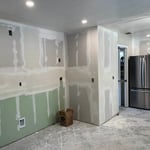
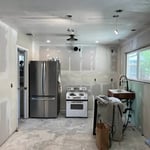
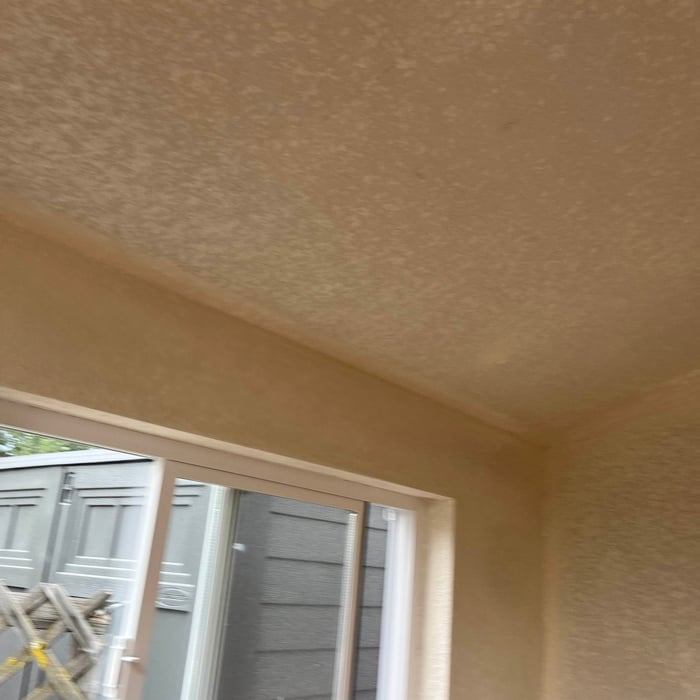
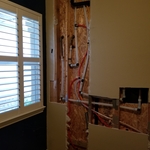
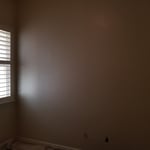
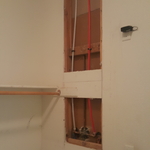
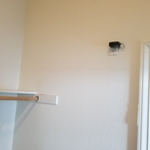
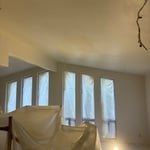
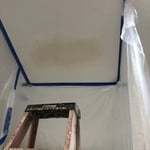
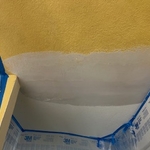
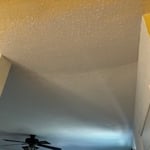
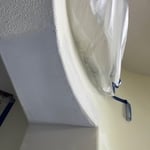
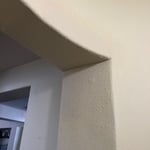
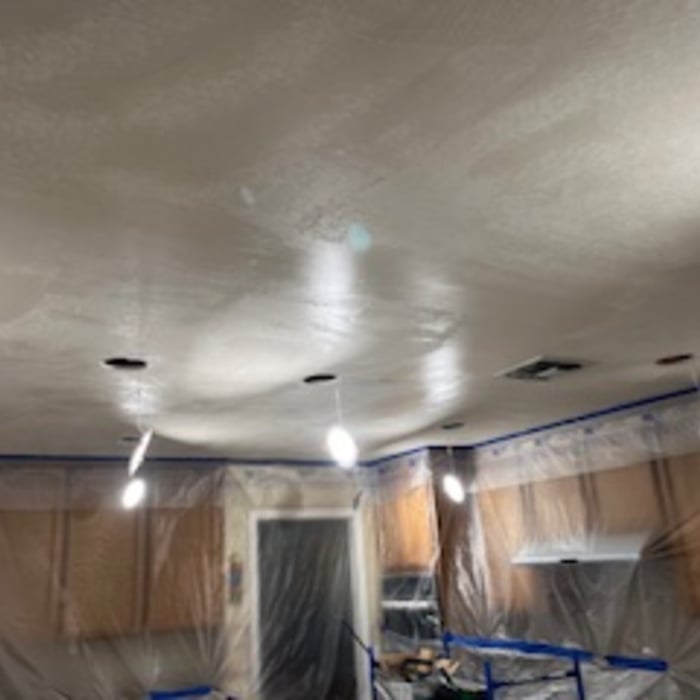
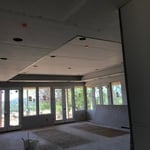
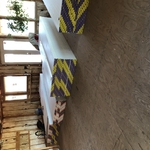
"John and his team were always prompt , courteaous and organized. They worked efficiently, taking good care of my home and furnishings. Ramon and Emilio did very good job cutting out sheetrock to match the irregular cutouts made by plumbers who repiped my home into the attic. Ramon provided a creative sollution to a complicated issue with a cut out beneath a bathroom sink which was inside a cabinet. Jose was meticulous with taping, topping and spraying the "mud". Floor to ceiling plastic "tents" were used to protect my home. This was a complicated job involving multiple walls in my home and garage. Absolutley everything John ( the owner) promised me was delivered and more. Excellent communications and up to datr information. The walls looked so good afterwards, it was hard to tell where the repairs were made. It was tempting not to paint the drywall, but of course, it's important for fire safety. John also advised me on what needed to be done by a good painting contractor and even provided a recommendationj. Drywall repair can be messy and overwhelming. I'm glad I hired John, the consumate professional."
+3
Response time1 day
3 neighbors recently requested a quote
Recommended by88%of homeowners