



Top-rated lead testing and removal specialists.

Get matched with top lead testing and removal specialists in Palmdale, CA

Enter your zip and get matched with up to 5 pros

Need a pro for your lead testing and removal project in Palmdale, CA?

Select your specific project to find the pro for you.

Find Lead testing and removal specialists in Palmdale

Avatar for Restoration Hunter
Restoration Hunter
5.0(
2
)

Serving Palmdale, CA and surrounding areas

Approved

In business since 2022

Free estimates

Warranties offered

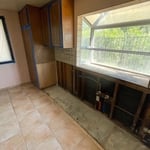
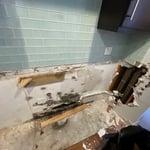
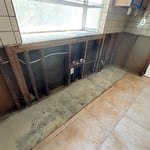
"He was friendly, very professional, and answered all my questions clearly about how mold happens in a home. His reasonable estimate and scope of work. What are the steps for mold remediation? Furthermore, I had delicate items around the work area. He was very successful in making sure that nothing was damaged. "Think floor demolition in a China shop" where none of the dishes gets broken. I highly recommend restoration Hunter if you have to deal with mold in the home."
3 neighbors recently requested a quote
Recommended by100%of homeowners
Thompson and Dages Incorporated
0.0(
1
)

Serving Palmdale, CA and surrounding areas

In business since 1988

NATEC International is one of California's oldest (1988), well-known, and respected testing and consulting firms in the asbestos, lead, indoor air quality & mold testing industry. Natec has a staff of State of California certified/registered inspectors who are experienced in quickly solving your environmentally related problems and providing cost effective solutions. Also, Natec is a State and Federally approved environmental training institution with much of our time spent actually training other companies and individuals for removal/abatement and testing protocol. The Natec staff is accredited & licensed, and can assure you a complete and thorough analysis of your environmental concern. We look forward to providing our expertise to your situation. Please contact us at your earliest convenience for regulatory advise and to schedule an inspection.

Recommended by100%of homeowners
Lead Testing and Removal questions, answered by experts

Some of the signs that could mean your water is contaminated, such as cloudiness or bubbliness, could also be non-problems that don’t affect your water’s potability. However, if your water smells or tastes strange, it’s a good idea to stop drinking it and test it immediately. If your well water is contaminated, the best way to discover that is to test it.

Determining if your water main contains lead involves a few steps. First, check the age of your property, as homes built before the 1980s might have lead pipes. Contact your water utility company for information on your service line material. Then, you can hire a professional plumber to conduct an inspection or use a lead testing kit to analyze water from the main line.

“Testing” can start with your senses: Assessing your water’s appearance, taste, and smell can all be good first steps. The best way to know for sure what’s going on with your water is to use a well water testing kit, which can tell you about the specific levels of bacteria, dissolved solids, and hardness of your water with precision. Have a pro test your well water at least once per year.

No. Standard homeowners insurance does not cover any kind of lead remediation, focusing instead on sudden, unpreventable events like fires and theft. Many insurance companies will specifically exclude lead paint removal, since it tends to be an expensive and unavoidable project. The exception is if the lead surface is damaged during a covered event (like a flood) and homeowners insurance pays its replacement.

According to the Environmental Protection Agency (EPA), hazardous waste is generally classified into four main categories:

1. Characteristic Wastes: These exhibit at least one of four hazardous traits: ignitability (flammable, like gasoline), corrosivity (can rust or decompose materials, like car batteries), reactivity (unstable and can explode, like aerosol cans), or toxicity (harmful when ingested, like lead-based paint).

2. Listed Wastes: These are specific wastes from manufacturing and industrial processes that the EPA has officially designated as hazardous. They include byproducts from processes that use solvents, pesticides, and other chemicals.

3. Universal Wastes: These are commonly generated hazardous items that are subject to streamlined regulations. Examples include batteries, pesticides, mercury-containing equipment (e.g., bulbs), and some lamps.

4. Mixed Wastes: This category includes waste that contains both hazardous and radioactive components, making it subject to regulation by both the EPA and the Nuclear Regulatory Commission.

The Palmdale, CA homeowners’ guide to lead testing and removal services

From average costs to expert advice, get all the answers you need to get your job done.

What do you need done? We’ll find top pros.
  • 🌱 "Mow a small front yard"
  • 🛠 "Fix a leaking pipe under the sink"
  • 🏠 "Repair shingles on an asphalt roof"