





Top-rated generator install pros.

Get matched with top generator install pros in Muscoy, CA

Enter your zip and get matched with up to 5 pros

Need a pro for your generator install project in Muscoy, CA?

Select your specific project to find the pro for you.

Find Generator install pros in Muscoy

Avatar for Casaroja Electric Inc
Casaroja Electric Inc
5.0(
19
)
Fixed Generator - InstallPortable Generator - Install

Serving Muscoy, CA and surrounding areas

Approved

Emergency services offered

Warranties offered

Offers commercial services

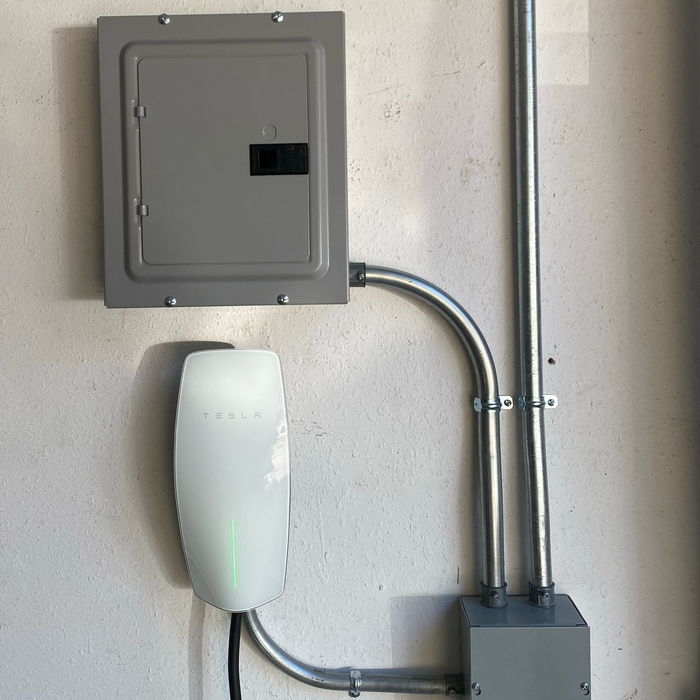
"Sergio and his assistant installed an EV charger at my place, and they did an amazing job. I’m so glad I hired them. Their price was reasonable compared to other contractors. I highly recommend them and would definitely use their company again for any future jobs."
Panel upgrade
Panel upgrade
Panel upgrade
Panel upgrade
Panel upgrade

+1

1 neighbors recently requested a quote
Zacharie Ponce
New to Angi
Portable Generator - Repair

Serving Muscoy, CA and surrounding areas

Approved

Free estimates

Emergency services offered

Small jobs welcome

Electrician with over 10 years of residential and commercial experience. I provide professional installations with a focus on safety and budget friendliness. My craftsmanship is specialized in:\n-New construction \n-Remodeling\n-Custom LED fixtures \n-Panel upgrades\n-EV chargers\n-Troubleshooting\nWorking out of LA county and willing to travel to Ventura and Orange counties.

Mpower electric
New to Angi
Portable Generator - Repair

Serving Muscoy, CA and surrounding areas

Approved

Hello my name is Miguel, I have 10 years of electrical experience and have been in commercial and industrial job sites through out of Los Angeles and Orange County. I’ve worked on panel upgrades, installing light fixtures, house rewire and EV chargers, etc. My craftsmanship for electrical work is definitely outstanding. I also, \nobtain my code regulations for installation purposes.

...
Showing 1-10 of 110
Generator Install questions, answered by experts

With proper maintenance, a whole-house generator can last between 20 and 40 years. The specific lifespan depends on how often and for how long the generator is used, and some models may have their life expectancy rated in hours of operation. To maximize its lifespan, expect to spend around $150 to $300 per year for annual maintenance checks from a qualified technician. During these checks, a technician will inspect the engine filter, starting mechanism, fuel, lubrication, and coolant levels. Consulting your installer and choosing a low-impact fuel like natural gas or diesel can also help ensure your generator lasts as long as possible.

While the rating will tell you how many watts the refrigerator needs at the peak of its cycle, it requires additional wattage to start. At the bare minimum, you’ll need a 1,500-watt generator to get the fridge up and running after a blackout. A 2,000-watt generator should be sufficient for most home refrigerators.

A home that is 2,500 square feet will likely need a 20kW to 25kW generator. Consult your local generator installer to confirm the generator size needed to power your home before purchasing a new one. Be sure to consider how much power your necessary devices need to run.

Sizing a generator is a careful process that requires calculating the electrical load of your entire house. You have to take into account every device you want to use and their wattage requirements, plus the wattage needed to start them, and look for a generator that can safely run all that at around 80% capacity.

In more practical terms, a small home can run on a 10,000-watt generator (and if you only want to power a few key appliances, much less than that). A mid-sized home may need something between 15,000 and 22,000 watts. Larger homes require 25,000 watts or more. 

To determine the right size generator for your house, you should calculate the total wattage of the appliances and devices you want to power during an outage. List all essential items, note their start-up wattages, and add them together.

Here are some typical wattage requirements for common appliances:

  • Refrigerator: 600 watts

  • Large dehumidifier: 700 watts

  • Large window air conditioner: 1,400 watts

  • Water heater: 3,000 to 4,500 watts

  • Electric furnace: 5,000 to 25,000 watts

A 7,500-watt generator might be sufficient for essentials like a refrigerator, freezer, well pump, and lighting circuits. However, for high-demand items like a water heater or furnace, a whole-home generator is a better choice. A portable generator may be enough if you only need to power a few critical items.

While home square footage can offer a rough estimate, it is not always a reliable indicator. For reference, here are some typical generator sizes based on square footage:

  • 1,000 sq ft: 6–9 kW

  • 1,500 sq ft: 7–10 kW

  • 2,000 sq ft: 10–14 kW

  • 2,500 sq ft: 12–16 kW

  • 3,000 sq ft: 16–20 kW+

For the most accurate sizing, consult a professional who can calculate your home's peak and average power consumption and recommend the optimal generator.

The Muscoy, CA homeowners’ guide to generator installs

From average costs to expert advice, get all the answers you need to get your job done.