







Get matched with top radon detection and reduction specialists in Lone Pine, CA
Top-rated radon detection and reduction specialists.

Need a pro for your radon detection and reduction project in Lone Pine, CA?

Select your specific project to find the pro for you.

Find Radon detection and reduction specialists in Lone Pine

Avatar for MG Remediation, Inc.
MG Remediation, Inc.
3.3(
8
)

Serving Lone Pine, CA and surrounding areas

Approved

In business since 1986

Free estimates

Customers say: Quick response

"Peter and his team at MG Remediation are professionals. They did everything they told me they would do and the radon levels dropped significantly. Great communication, too, which always matters."
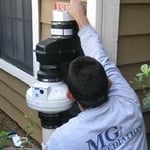
Vapor Intrusion for VOC and Radon
 Cleaning
 Cleaning
Testing
Testing & Abatement

+4

Response time4 days
Recommended by80%of homeowners

Radon Detection and Reduction questions, answered by experts

Mitigation can take several days depending on home setup, equipment accessibility, and achieving effective diffusion system sealed efficiency.

The average radon mitigation system uses about 876 kWh of electricity per year, although the exact amount of electricity used will vary depending on the size of the radon fan. Once the system is installed, the annual increase to your energy bill could range from $30 to $300 per year, again depending on the size of the fan.

No, radon mitigation systems do not decrease home value or make a home harder to sell. In areas where homes experience similar radon exposure risks, a radon mitigation system is viewed as an improvement. Potential homebuyers often opt to buy a home with a radon mitigation system already installed to reduce the risk of cancer for their families.

Many radon fans carry a five-year manufacturer's warranty. That said, your radon fan should last between five and ten years. Regular inspections will ensure the fan is operating properly. Unusual or exceptional noise coming from the fan or indications on your manometer or system monitor can immediately tell you that something is amiss.

No level of radon is technically safe, but since it is present everywhere, complete avoidance is impossible. The average radon level in homes across the United States is 1.3 picocuries per liter (pCi/L). The Environmental Protection Agency (EPA) recommends taking preventative measures if your home's radon levels are between 2 and 4 pCi/L or higher.

The Lone Pine, CA homeowners’ guide to radon detection and reduction services

From average costs to expert advice, get all the answers you need to get your job done.