








Top-rated fire pit installation pros.

Get matched with top fire pit installation pros in Laguna Beach, CA

Enter your zip and get matched with up to 5 pros

Need a pro for your fire pit installation project in Laguna Beach, CA?

Select your specific project to find the pro for you.

TRUSTED BY LAGUNA BEACH, CA HOMEOWNERS

  • Average homeowner rating star icon4.4
    Average homeowner rating
  • Verified reviews icon679
    Verified fire pit installation services reviews

Find Fire pit installation pros in Laguna Beach

No results for Fire pit installation pro in

Try adjusting your search criteria.
Fire Pit Installation questions, answered by experts

There are several tools available to help prevent electrical fires. First, ensure that you have GFCI outlets installed in necessary areas, along with an AFCI, which is a circuit breaker that can help prevent arc-faults. Investing in surge protectors is also wise, as they can safeguard your appliances and other items against power surges that may overload your outlet and cause sparking.

Yes, dead palm tree fronds are a fire hazard. The leaves become highly combustible because the dead fronds don’t fall off the tree themselves, especially in hot, sunny climates. In fact, many wildfires start from dead palm fronds. Palm trees can also easily catch fire from lighting, electrical power lines, and fireworks. So, cutting off dead palm fronds before they become a fire hazard is important.

Ensure proper ventilation, fix leaks, and schedule regular pest inspections to protect your property.

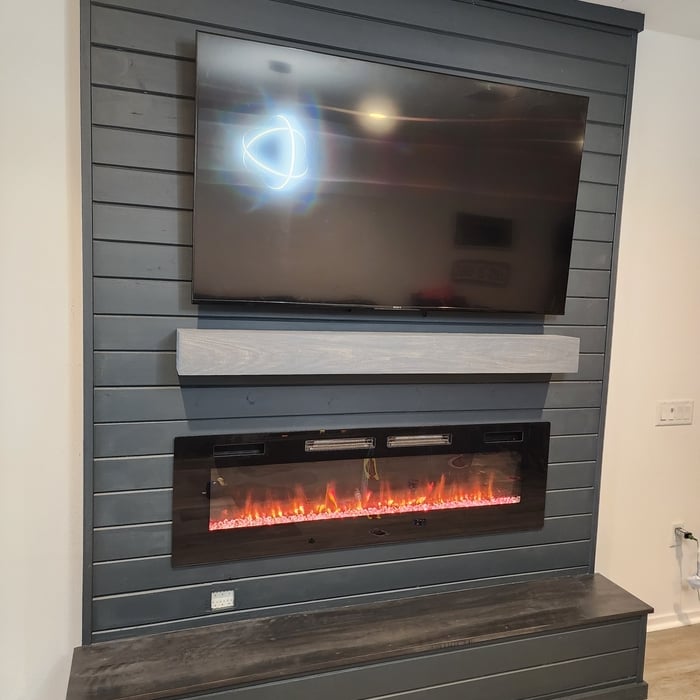
A fireplace hearth is necessary in most areas per building codes, especially for gas and wood-burning fireplaces. Electric fireplaces may not require a hearth, so check local building codes or ask a pro for guidance if you’re leaning toward electric. A fireplace hearth can decrease the risk of flying embers creating a fire and burning your home down. That’s why fireproof material, like tile, is used for the hearth.

Generally, an oil furnace is considered safer than a gas furnace for several reasons. While both types of furnaces can produce carbon monoxide, a leak in an oil furnace is easier to detect due to the smell. Oil furnaces also don't connect to a gas pipeline, which reduces the chance of a fuel leak. Most importantly, heating oil is not combustible, whereas natural gas is highly flammable. This means there is a much lower risk of combustion or explosion with an oil furnace. However, an oil furnace can still pose a fire hazard if it tips over.

The Laguna Beach, CA homeowners’ guide to fire pit installation services

From average costs to expert advice, get all the answers you need to get your job done.