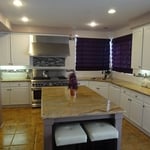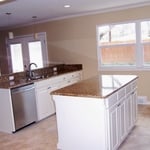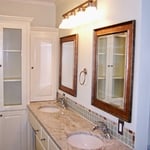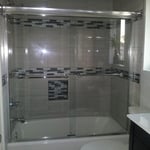







Top-rated ceramic tile pros.

Get matched with top ceramic tile pros in Blue Lake, CA

Enter your zip and get matched with up to 5 pros

Need a pro for your ceramic tile service project in Blue Lake, CA?

Select your specific project to find the pro for you.

TRUSTED BY BLUE LAKE, CA HOMEOWNERS

  • Average homeowner rating star icon5
    Average homeowner rating
  • Verified reviews icon15
    Verified ceramic tile services reviews

Find Ceramic tile pros in Blue Lake

Ceramic Tile questions, answered by experts

Uniform spacing between tiles is important for a professional and clean appearance. To achieve this spacing, tile spacers should be placed between the tiles and left in place until the mortar hardens and the tiles are secure. You can use X-shaped spacers vertically in between the tiles and laid flat at the corners.

It’s best to start with tiling the shower floor before moving on to the walls for the most visually-pleasing results. When taking on any tiling project, you’ll want the wall tiles to “sit” neatly on the floor tiles rather than overlapping them. Finishing your floor tiles first will allow you to place your wall tiles without any gaps, holes, or awkward intersections.

There are no unbreakable rules of design, but experts recommend against using large tiles in areas with poor subflooring where they’re more prone to cracking, in areas where the floor isn’t entirely level, over raised areas or dips, and in bathrooms where budget is the primary concern. The size of your bathroom shouldn’t be a reason not to use large tiles; in fact, larger tiles, also known as slab tiles, can be a modern and sleek choice for bathroom floors and walls.

Different types of tile cutters may work best depending on the type of tile you are cutting and the size of your project. There are two main types of tile cutters: manual and electric. Manual tile cutters are quick and easy to use for small projects and softer tile materials, but they can only make straight cuts. Electric tile cutters make light work of big projects and can cut through harder materials.

You can attach tiles to a wall using thin-set mortar. You’ll also need a notched trowel to create grooves within the adhesive so it flattens completely when pressed in and securely holds the wall tiles. Finally, you’ll need grout to smooth the gaps between the tiles and, ideally, a grout sealer to prevent mold. While it sounds simple enough, proper planning and execution are crucial, so carefully review the steps in this guide or hire a pro tile installer to complete this project.

The Blue Lake, CA homeowners’ guide to ceramic tile services

From average costs to expert advice, get all the answers you need to get your job done.