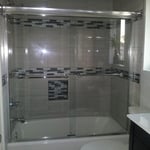
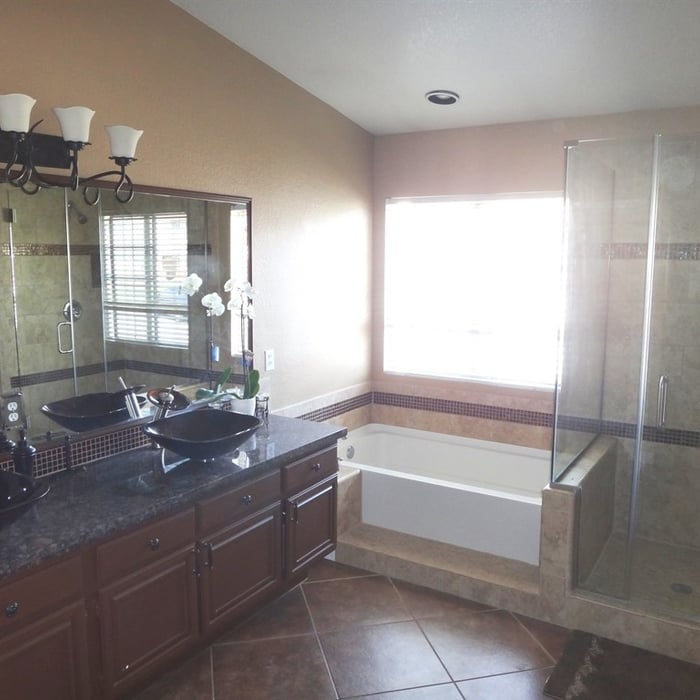
"Darnell from R & r experts took care of everything from start to finish. I did not have to very about the details. His people did an excellent job. Very good quality."
Whether you want to match your tile trim with grout comes down to your personal preferences. If you match the two, it can help your tiles to stand out while providing a clean, cohesive look. On the other hand, you might opt to match your tile trim with your tiles. The best option will depend largely on your tile design, as well as how it fits overall with the rest of your room.
The lifespan of bathroom tile can be 50 years or more, depending on proper installation and regular maintenance. A well-done tile job, whether it's a new installation or a retiling project, can last for many decades. To lengthen the life of your tile, it's best to have it installed by a professional and to perform regular maintenance. This includes routine cleaning, resealing, and regrouting as needed. With proper care, you can expect your tile to last 10 years or more before needing major repairs or retiling, especially in high-traffic areas where tiles can wear out more quickly.
The choice of whether to tile or use an acrylic tub surround is up to you and can be based on a number of factors, including aesthetics, cost, waterproofing, ease of cleaning, and maintenance.
Tile is a beautiful, classic bathtub surround choice; while tile installation cost is higher, it’s customizable and offers visual appeal. Tile is also harder to clean and presents waterproofing problems because of grout lines. Acrylic surrounds can be more affordable, don’t require much maintenance, and are easier to clean. However, they aren’t usually as visually appealing and may need to be replaced if they become damaged.
On average, tiling a shower costs between $1,800 and $5,000, with most people paying around $2,700. The price of this project depends on multiple factors, including the kind of tile you choose, the size of your shower, and labor rates in your area. If you decide to tile your own shower (instead of hiring a professional), it’ll likely cost $800 to $1,400.
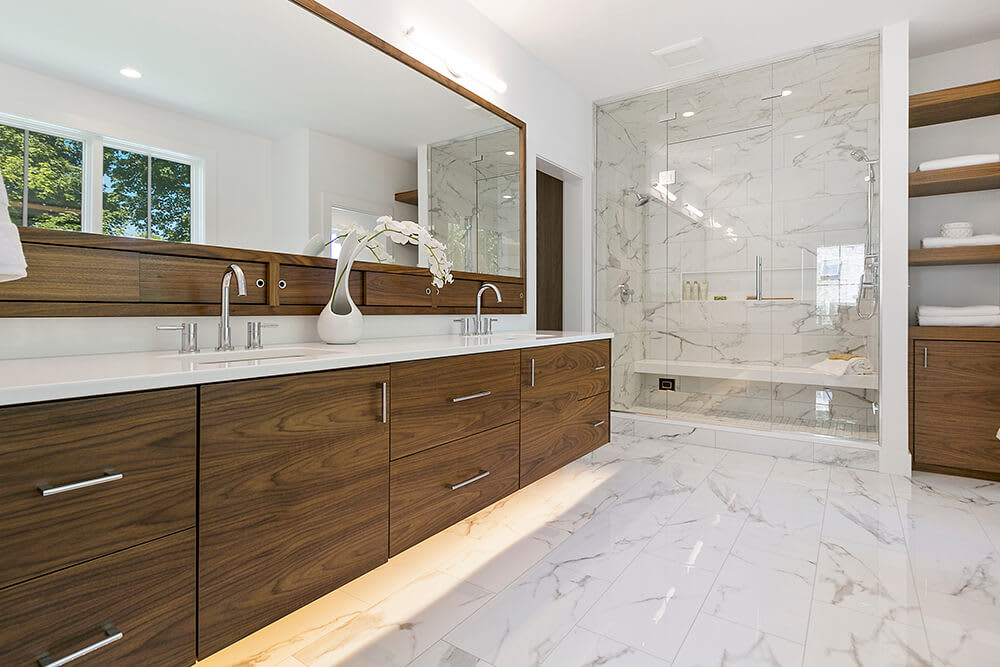
Yes, tiling a bathroom is a great way to boost your home's value, especially if you are replacing old or dated flooring. Adding a new tile floor can deliver a return on investment (ROI) of around 56.4%, with some projects offering up to 100% ROI. Buyers appreciate new tile because it provides a modern look and is known for being durable, water-resistant, low-maintenance, and easy to clean. For the best results and highest return, consider hiring a professional, as tiling mistakes can be very noticeable and detract from the value.
The Hoopa, CA homeowners’ guide to ceramic tile services
From average costs to expert advice, get all the answers you need to get your job done.
Whether it’s on your floor, walls, or shower, ceramic tile can add style to your space. So, how much does ceramic tile installation cost? Let’s break it down.
Tile varies dramatically in price, but there’s something for every budget. This guide will help you plan for tile installation costs, no matter the project.
Ceramic tile as a flooring option boasts a long list of advantages over other surfaces. However, there are also some key drawbacks worth considering. We’ve rounded up both the pros and the cons of ceramic tile into a helpful list.
You don’t always need a pro for ceramic tile installation. Follow these seven simple steps to transform the floor of any room in your home into the perfect space.
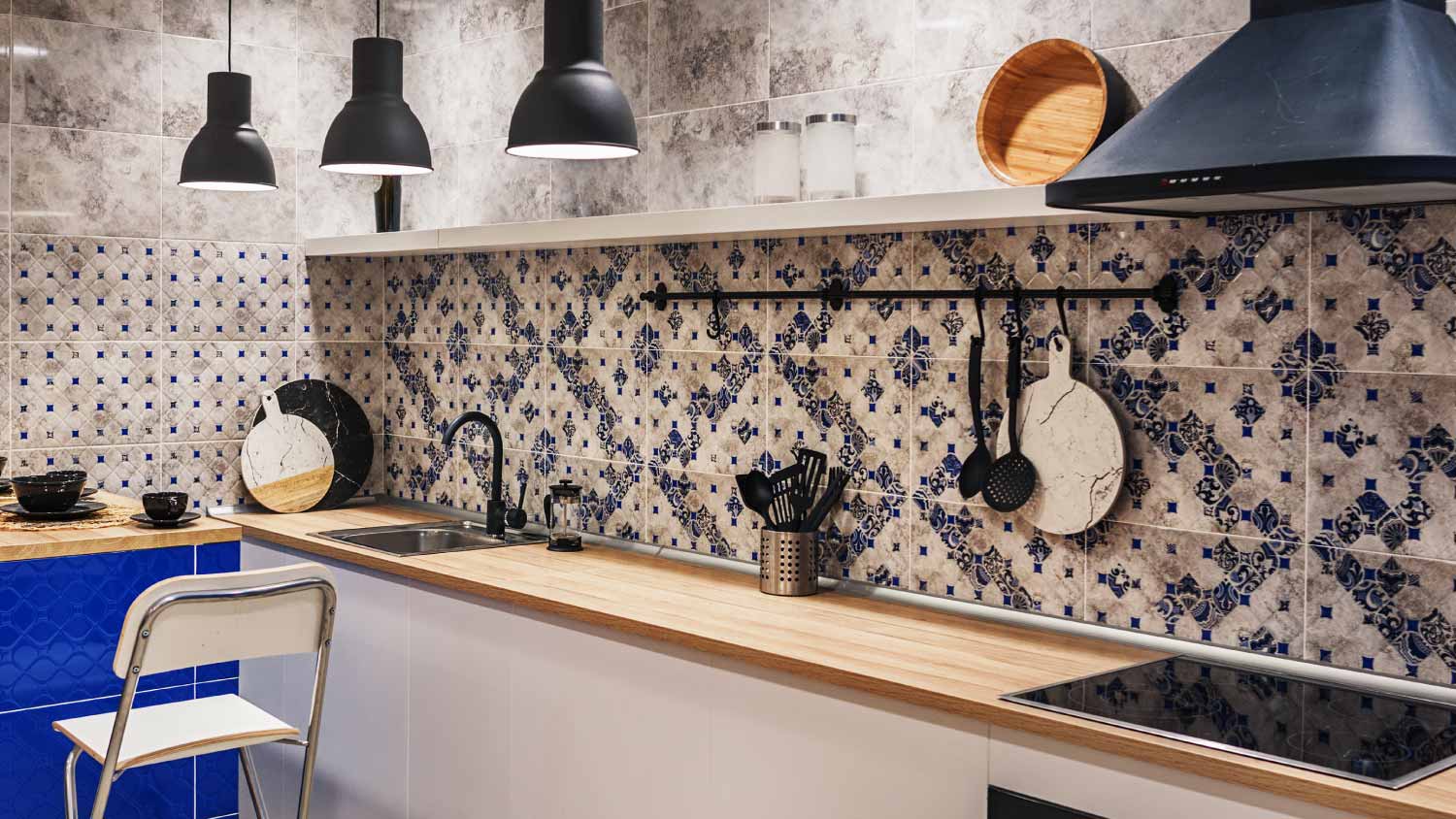
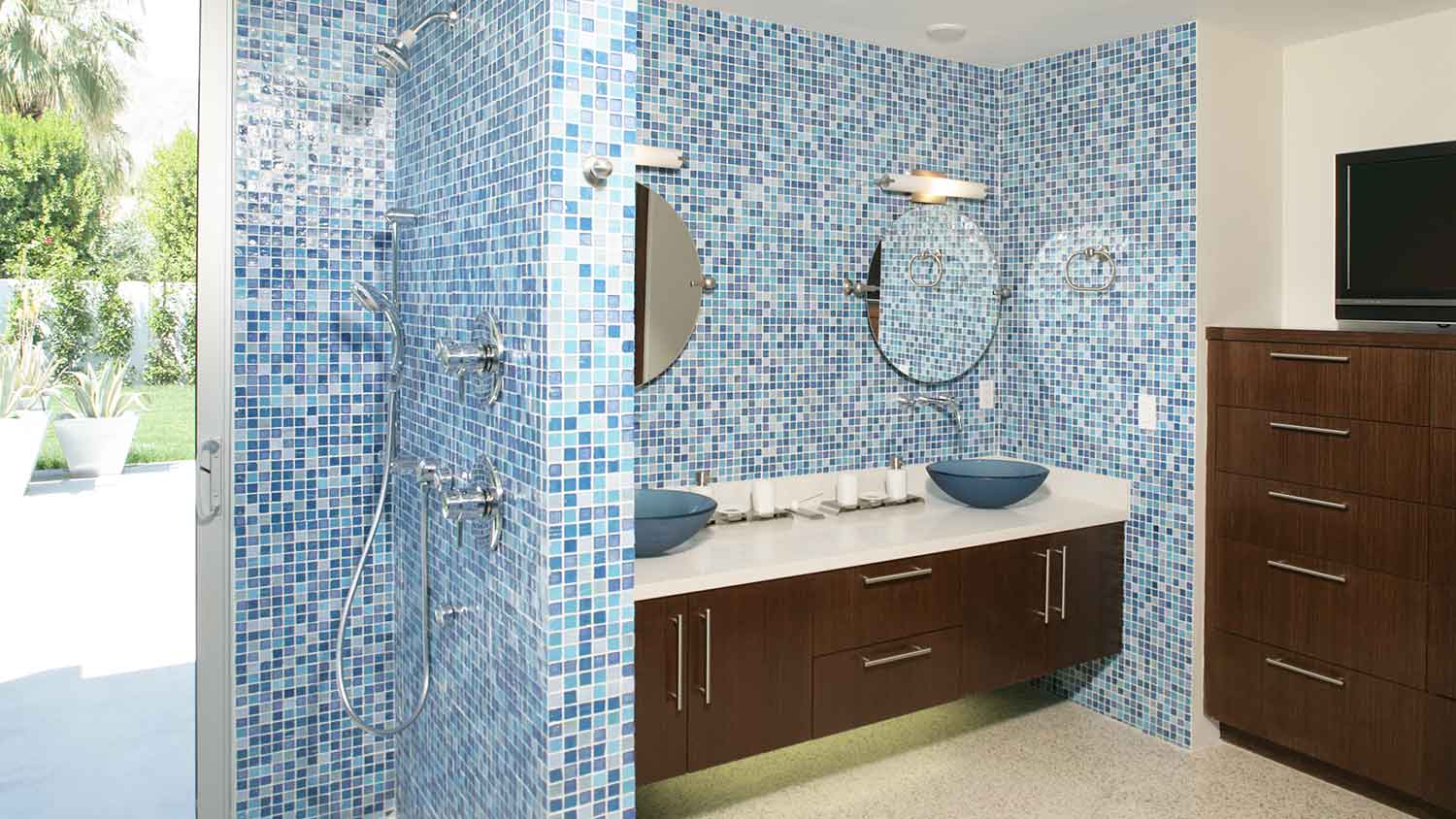
You can use mosaic tiles throughout your home, whether you’re interested in mosaic flooring or a mosaic tile shower. Keep reading to learn what is mosaic tile and more.
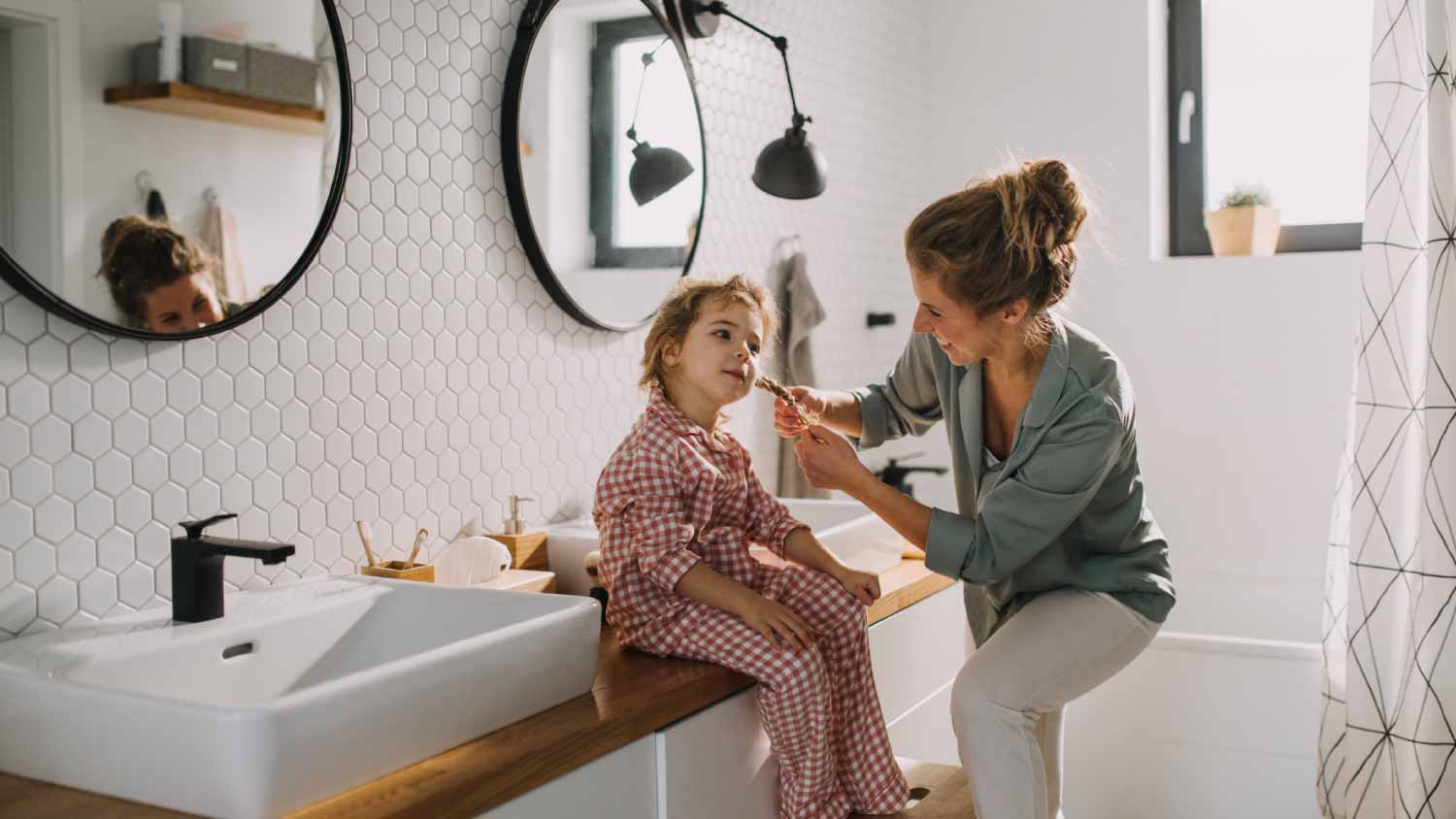
Looking for new bathroom tile to freshen up your space? Use this guide to find the best tile for your bathroom floor for appearance, longevity, and durability.