






Top-rated fire pit installation pros.

Get matched with top fire pit installation pros in Azusa, CA

Enter your zip and get matched with up to 5 pros

Need a pro for your fire pit installation project in Azusa, CA?

Select your specific project to find the pro for you.

TRUSTED BY AZUSA, CA HOMEOWNERS

  • Average homeowner rating star icon4.4
    Average homeowner rating
  • Verified reviews icon198
    Verified fire pit installation services reviews

Find Fire pit installation pros in Azusa

No results for Fire pit installation pro in

Try adjusting your search criteria.
Fire Pit Installation questions, answered by experts

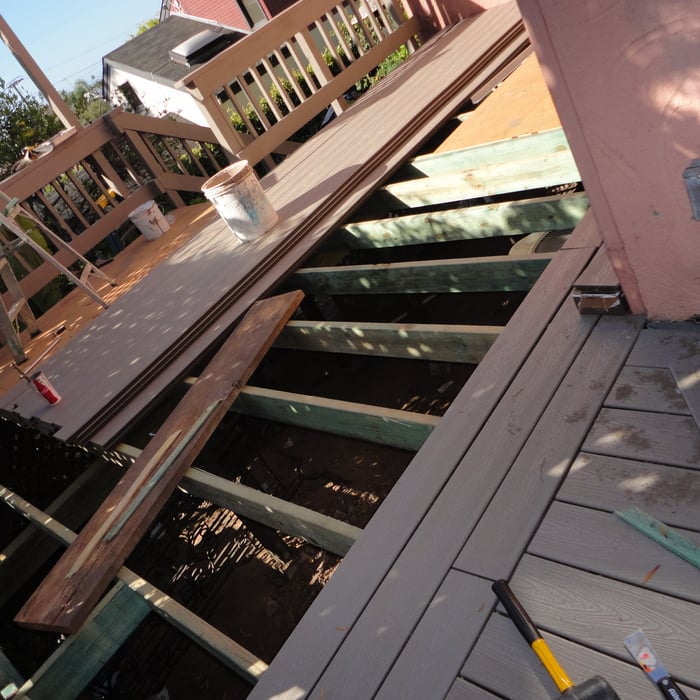
Yes, it is generally safe to have a fire pit on a deck, but you must adhere to building codes and take several safety precautions. For both built-in and freestanding models, you must use a heat-resistant barrier, such as a fire pit pad or heat shield, between the pit and the deck. Additionally, consider the weight of the fire pit and ensure your deck can structurally support it, reinforcing it if necessary. The fire pit must also be positioned a safe distance from your house, particularly from materials like vinyl siding, to prevent heat damage.

When a carbon monoxide alarm goes off, you should always take it seriously. Infrequent and occasional chirps often point to a low battery, a faulty device, or dust buildup (this usually affects smoke detectors and not standalone CO detectors). A continuous alarm signals an emergency, and you should immediately evacuate and call 911. When it comes to carbon monoxide in your home, it’s better safe than sorry.

Yes, a water leak poses a major fire risk at your home because water is a conductor of electricity. Water that comes into contact with sparks or electrical wires can instantly ignite flammable materials. Additionally, any type of exposure to water can cause wires and other electrical components within your home to corrode. When assessing categories of water damage, it's important to know that even a small amount of moisture near wiring could cause sparks that lead to a fire.

No, but they both serve distinct life-saving purposes. Smoke detectors primarily sense the presence of smoke, typically caused by a fire, and emit loud alarms to alert occupants to evacuate. In contrast, carbon monoxide detectors monitor the levels of carbon monoxide gas, an odorless and colorless but deadly substance produced by incomplete combustion of fuels. When CO levels become dangerous, CO detectors sound alarms to warn inhabitants of potential poisoning risks. 

Baseboard heaters are generally safe and efficient, but they can be dangerous if safety precautions are not followed. To ensure safety, do not block the heaters with furniture, drapes, open doors, or other items, and maintain clear space around them for proper heat flow. Regularly check that items have not fallen on or under the units. If you have children or pets, make sure they stay clear of hot heaters to avoid burns. For added safety, consider models with an automatic shut-off feature and have them professionally tested. If a problem occurs with a baseboard heater, always contact a qualified electrician or HVAC professional for repairs.



The Azusa, CA homeowners’ guide to fire pit installation services

From average costs to expert advice, get all the answers you need to get your job done.