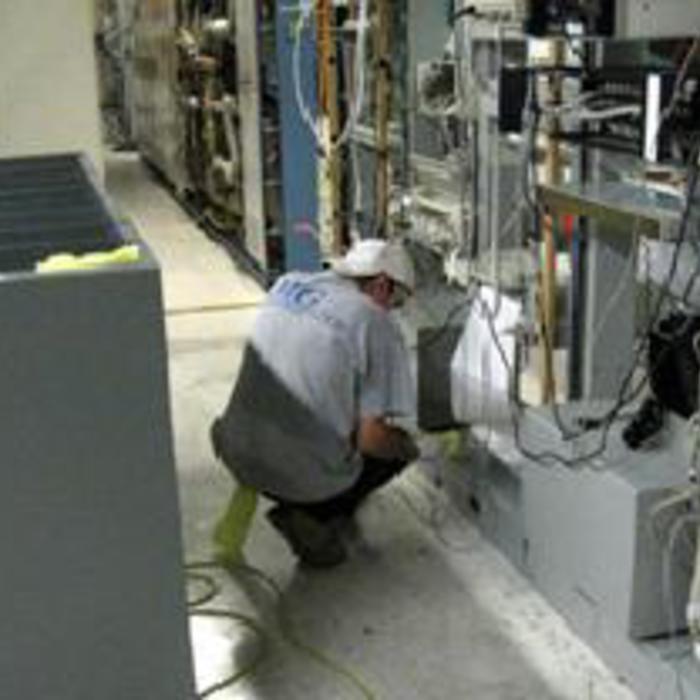






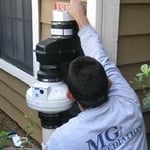
"Peter and his team at MG Remediation are professionals. They did everything they told me they would do and the radon levels dropped significantly. Great communication, too, which always matters."
"The experience with Justin at Fire & Water Damage Recovery was excellent. They were referred by the plumbing company that serviced my sump pump. We still got 3 estimate, Justin's estimate was in the middle but I felt good with Justin based on our phone conversation and the referral so we went with this company. Justin did tell me that he might have estimated on the high side because he does not like to surprise the homeowners. What a surprise when I go the final invoice. The final invoice came in much lower and was very close or lower than the lowest estimate I got. Justin and his team also took pictures of how the place was before and after for me to see. They even took pictures of the pathway that they took to get to the crawl space to assure me that they kept the place clean when they got in and out. I was very satisified with Justin and his company."
Radon Detection and Reduction questions, answered by experts
Abatement includes sealing entry points and venting with systems that reduce radon levels below recommended EPA limits. It is handled by certified professionals.
The lifespan of a radon mitigation system depends on the type of system and its maintenance. With proper care, a system can last for many decades. Passive systems tend to last longer as they have fewer components that require replacement. Active systems, which have more moving parts like fans, generally have a shorter lifespan. For instance, water filtration devices and active pressurization systems require more frequent maintenance. While the system as a whole is durable, the radon fan in an active system typically has a lifespan of 5 to 10 years and will need to be replaced. As long as the fan is working, the mitigation system should function correctly.
Your radon mitigation system may be loud because it’s time to replace it. Any sounds are usually from the inline fan that helps create the vacuum and resulting airflow. If you hear a new, loud mechanical or humming noise from your radon fan, it might be time to replace it. Most fans used in radon mitigation systems last up to 10 years, but may need to be replaced sooner.
No, radon mitigation systems do not decrease home value or make a home harder to sell. In areas where homes experience similar radon exposure risks, a radon mitigation system is viewed as an improvement. Potential homebuyers often opt to buy a home with a radon mitigation system already installed to reduce the risk of cancer for their families.
Options include sub-slab depressurization, crawlspace ventilation, and sealing cracks. Choose based on home construction and radon levels.
The American Canyon, CA homeowners’ guide to radon detection and reduction services
From average costs to expert advice, get all the answers you need to get your job done.
The cost of a radon mitigation system in San Francisco, CA, depends mostly on the type of system being installed. Use this guide to learn about your options.
Get clear answers on how much radon remediation costs, including average prices, key cost factors, and tips to save money on your home’s radon mitigation.
Radon is a gas that you can't see or smell and is harmful to your health. If your home has radon, you need to know who installs radon mitigation systems.