


Get matched with top drywall pros in Tusayan, AZ
Top-rated drywall pros.

Need a pro for your drywall service project in Tusayan, AZ?

Select your specific project to find the pro for you.
Drywall questions, answered by experts

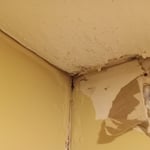
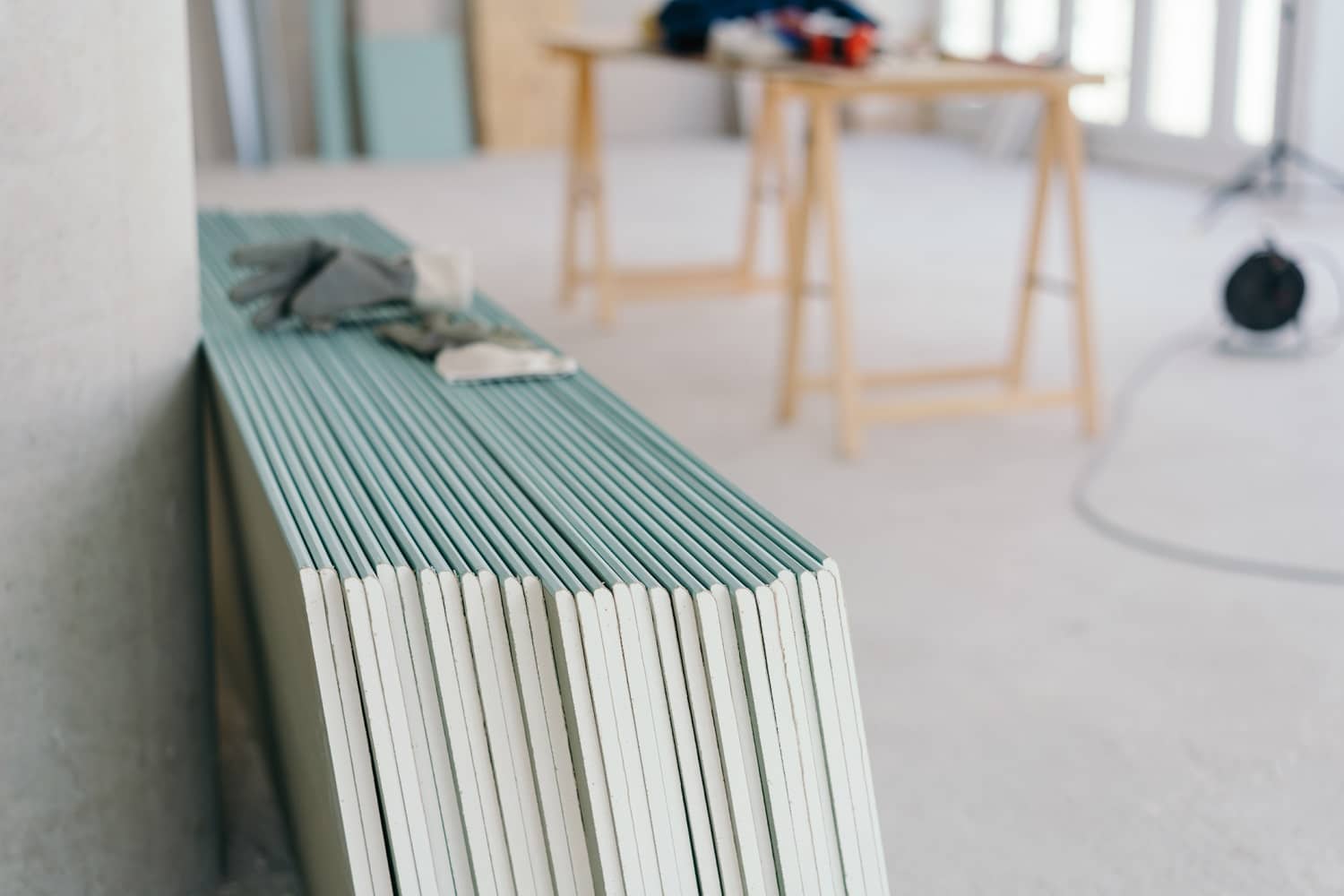
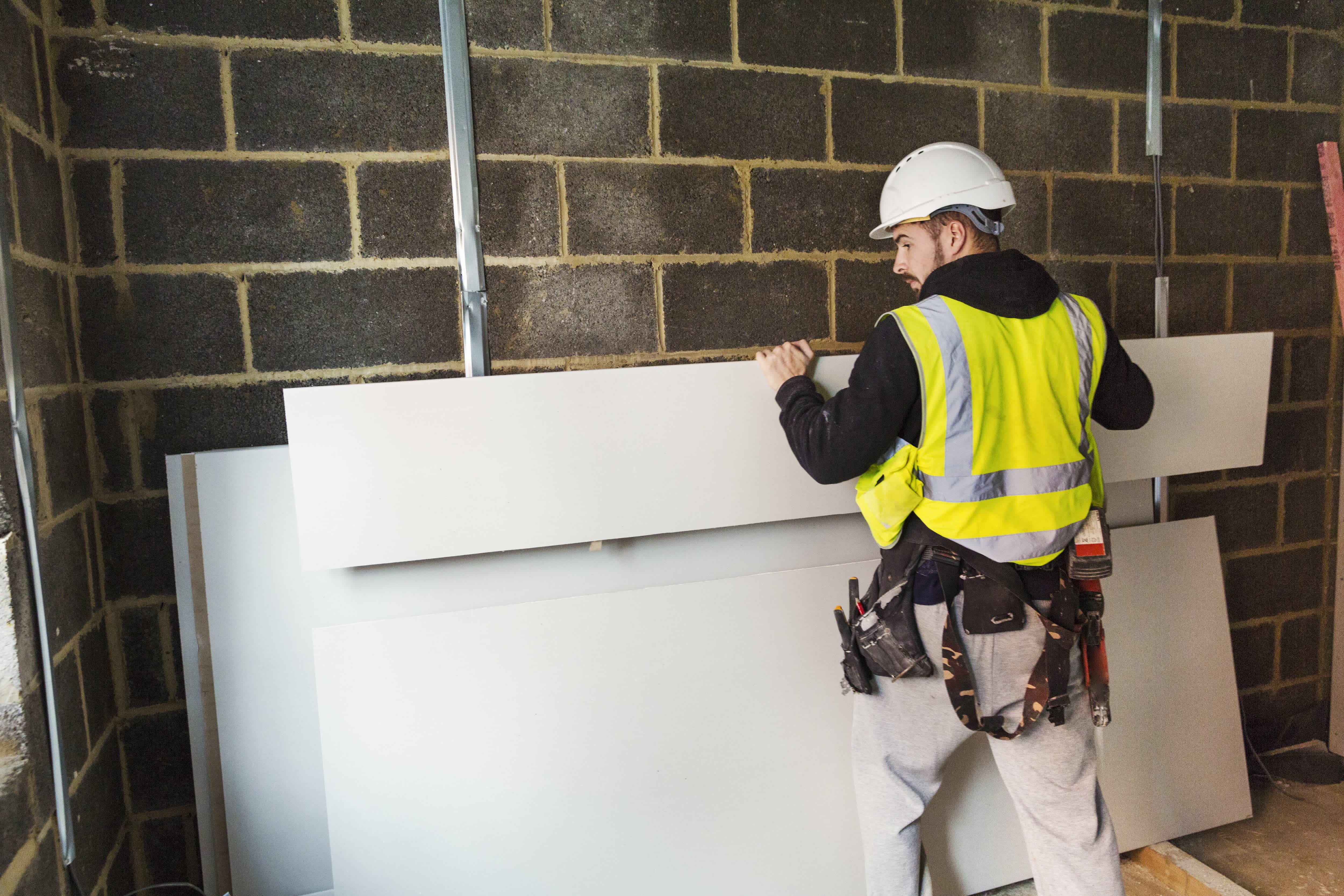
A common cause of separation between a wall and the ceiling is truss lift—this can happen to the ceiling of rooms directly under the attic when the seasons change and wood building materials dry out, shrink, and shift. Roof trusses often dry out at different speeds, and if the bottom pieces dry out faster than the top pieces, they can shrink and pull the attached drywall away from ceilings and walls, causing cracks. Fortunately, truss lift is only a cosmetic problem, not a structural problem, and you can fix it by separating the ceiling drywall from the roof trusses, and patching the cracks.

For maximum stability, install grab bars on wall studs, as this will adequately support the weight. However, if you don't have access to studs, you can get by with wall anchors. If opting for the latter, choose specialty hollow wall anchors. 

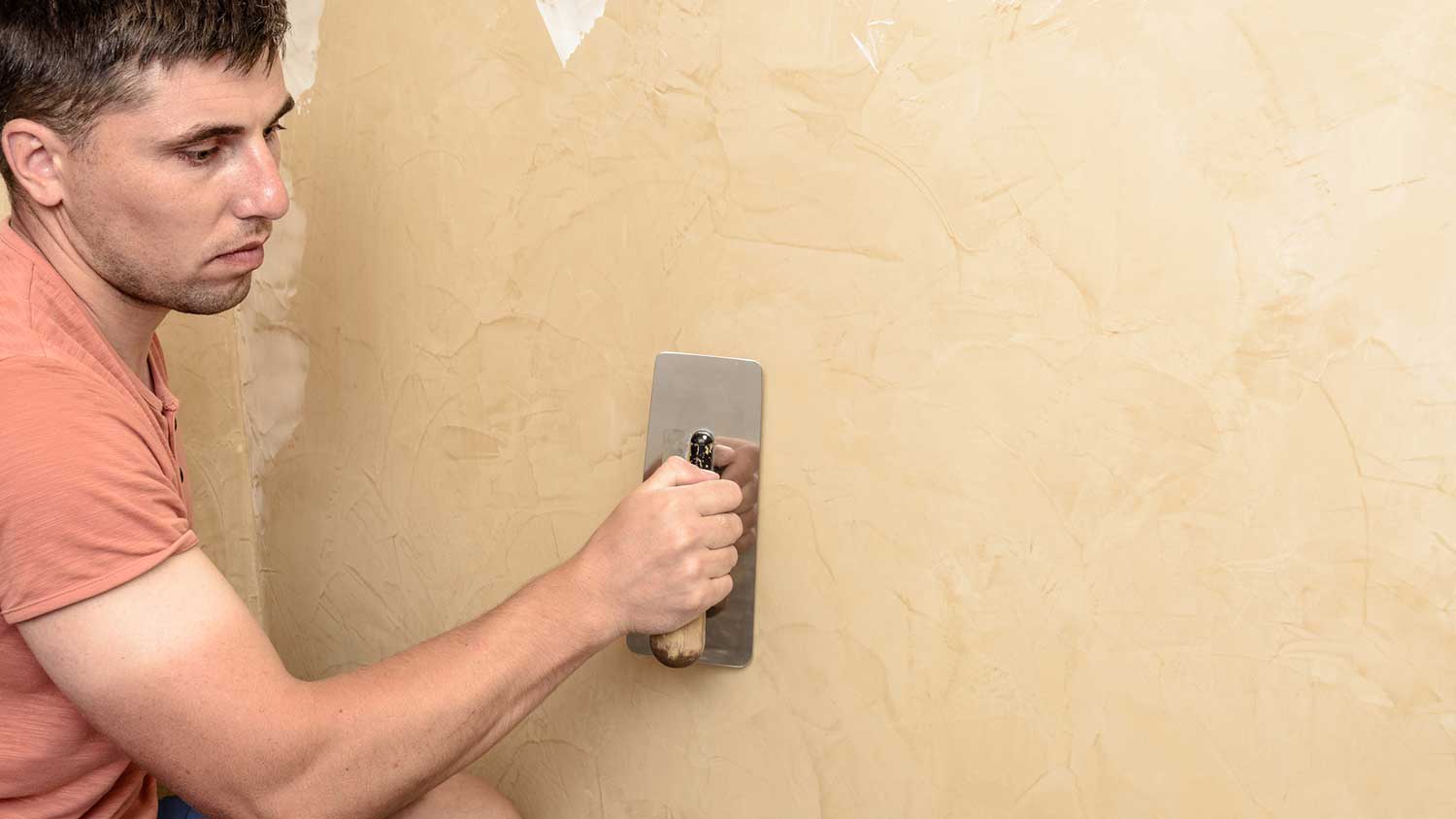
Plaster is a pretty tough surface, but it can still sustain damage from things like bumping against it, water issues, dampness, extreme humidity changes, and plain old age. Most plaster walls last hundreds of years and will only be taken down to the base layer when major repairs are required. Being cautious around the wall, not placing furniture against it, and ensuring stable humidity are all great ways to reduce possible damage.

This depends on how much plaster is applied and in how many layers, but a decent estimate is around 150 square feet. If you are applying only two coats on a small wall, there is a chance you may only need one or two gallons for the entire project. If you are plastering a large living room wall with high ceilings, using one of the more involved techniques–like Scagliola–that requires several coats, expect the project materials costs to add up quickly. 

If the holes in the plaster are small, you can fill them with layers of patching plaster until they’re filled. After it dries, you can sand the plaster and paint over it. If the hole is much larger, consider using bonding plaster first and then a layer of patching plaster, completing the process with sanding and a layer of paint.