"I only use James when I need some work done to my house. He responds fast, gets the work done quicker than just about anyone else I've ever used and seems very concerned with leaving his customers happy."
Yes, basement insulation needs a vapor barrier due to its susceptibility to moisture seeping in from the outside of the house. You should install a moisture barrier before you install insulation or purchase insulation that comes prebuilt with a moisture barrier to avoid water damage in your insulation and costly mold and water remediation expenses.
While "dry" mode on your AC can help reduce humidity levels to some extent, it may not be as effective as a dedicated dehumidifier, especially in areas with extremely high humidity or larger spaces. Dehumidifiers are specifically designed to remove moisture from the air more efficiently, making them a better choice for tackling persistent humidity issues.
External pressure on the basement wall can cause it to bow inward. Soil, heavy with water saturation, is commonly the main culprit. The soil exerts immense pressure on the wall, causing it to fail, at least partially. This is known as hydrostatic pressure—these situations can occur after rainfall or simply due to regular groundwater presence and may be temporary or more permanent.
Whether to waterproof your basement from the interior or exterior depends on several factors, including your budget.
Exterior waterproofing is generally considered the superior method because it stops water at the source, preventing it from seeping into and damaging your basement walls. This approach offers the most protection, making it ideal if you use your basement for storage.
By contrast, interior waterproofing is often less expensive and requires less labor because the area is more accessible.
For maximum protection against water leakage and moisture, applying waterproofing measures to both the inside and outside is the best solution. However, if you must choose only one, stopping water from the outside is the most effective approach to preserve your foundation and prevent damage.
Basements with persistent moisture problems or flooding shouldn’t be finished until the moisture issues have been fixed. In addition, if your foundation is cracked, you have unmitigated radon levels, or you have asbestos or lead pipes, remediate the underlying problem before finishing your basement. Turning a basement into living space before fixing these issues can lead to serious health risks or structural damage.
The Topawa, AZ homeowners’ guide to basement waterproofing services
From average costs to expert advice, get all the answers you need to get your job done.
Need to fix basement water problems or safeguard your home from damage in the future? Use this basement waterproofing cost guide to budget appropriately.
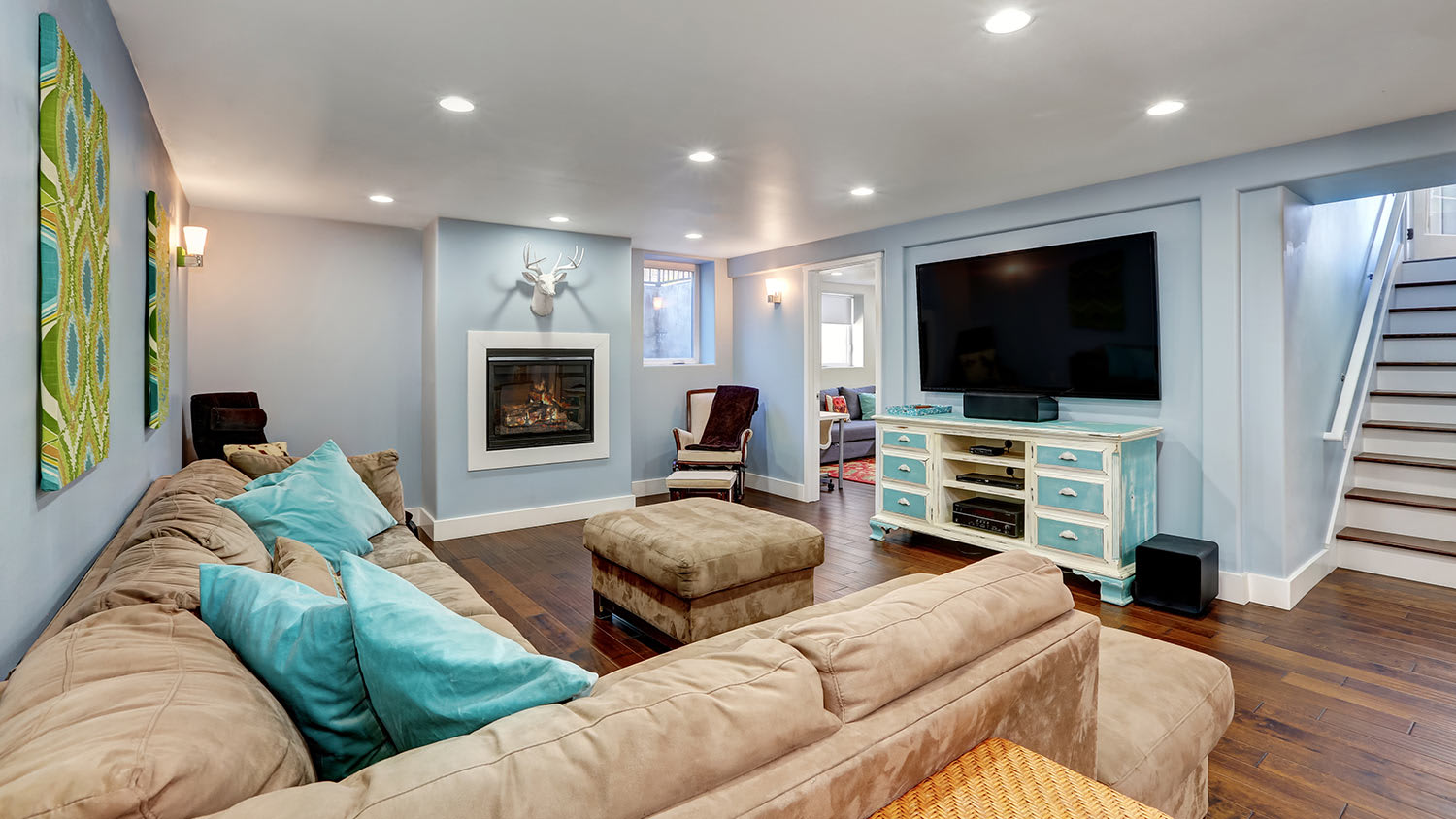
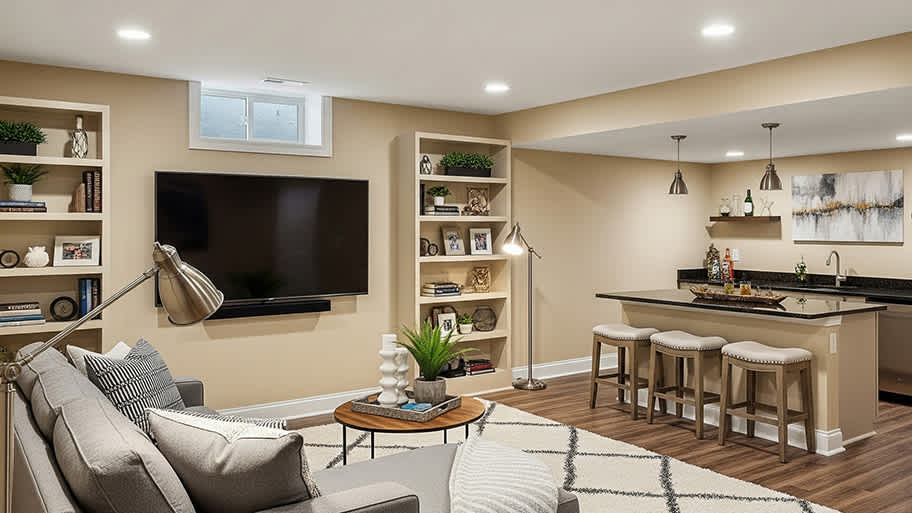
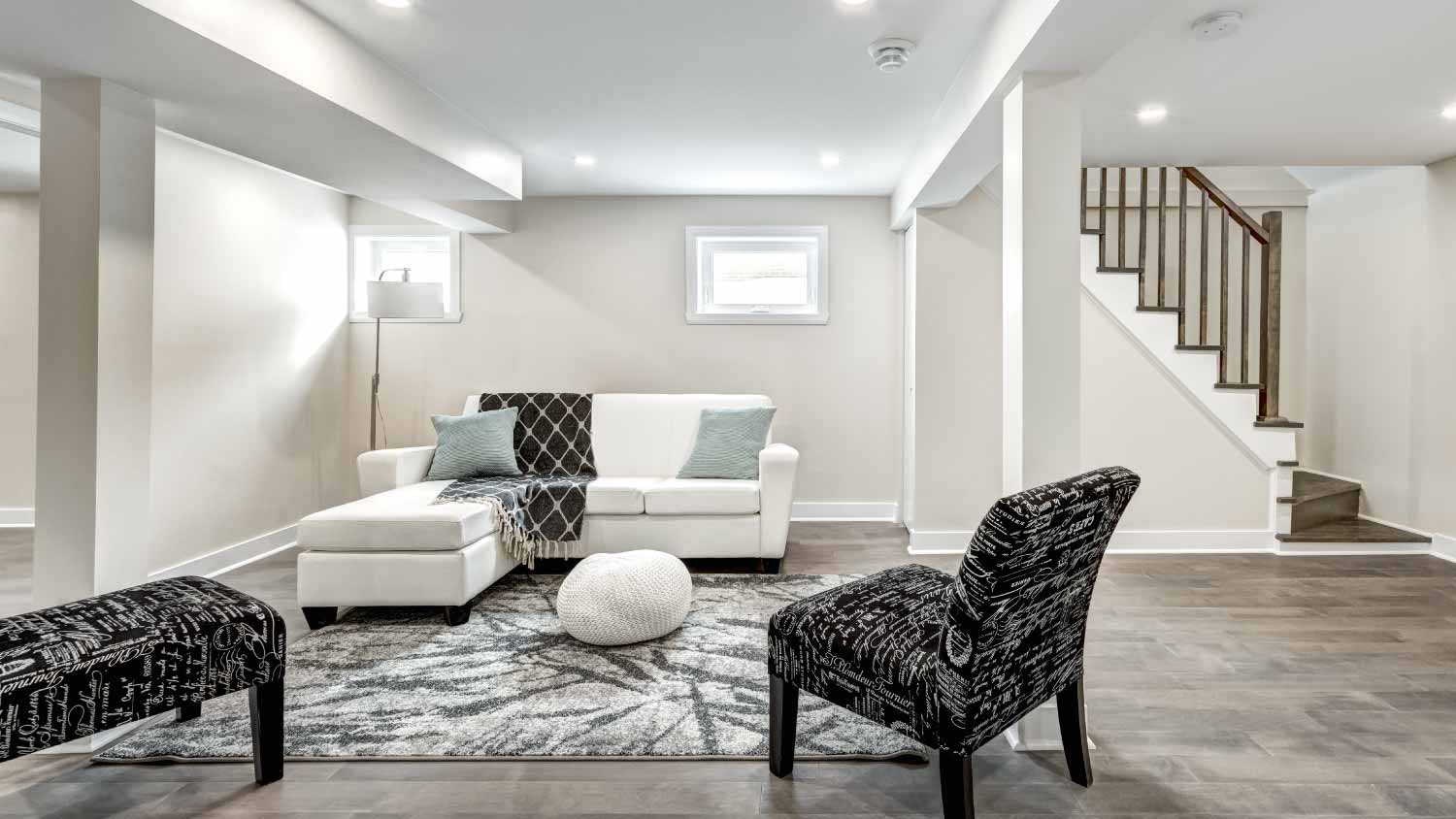
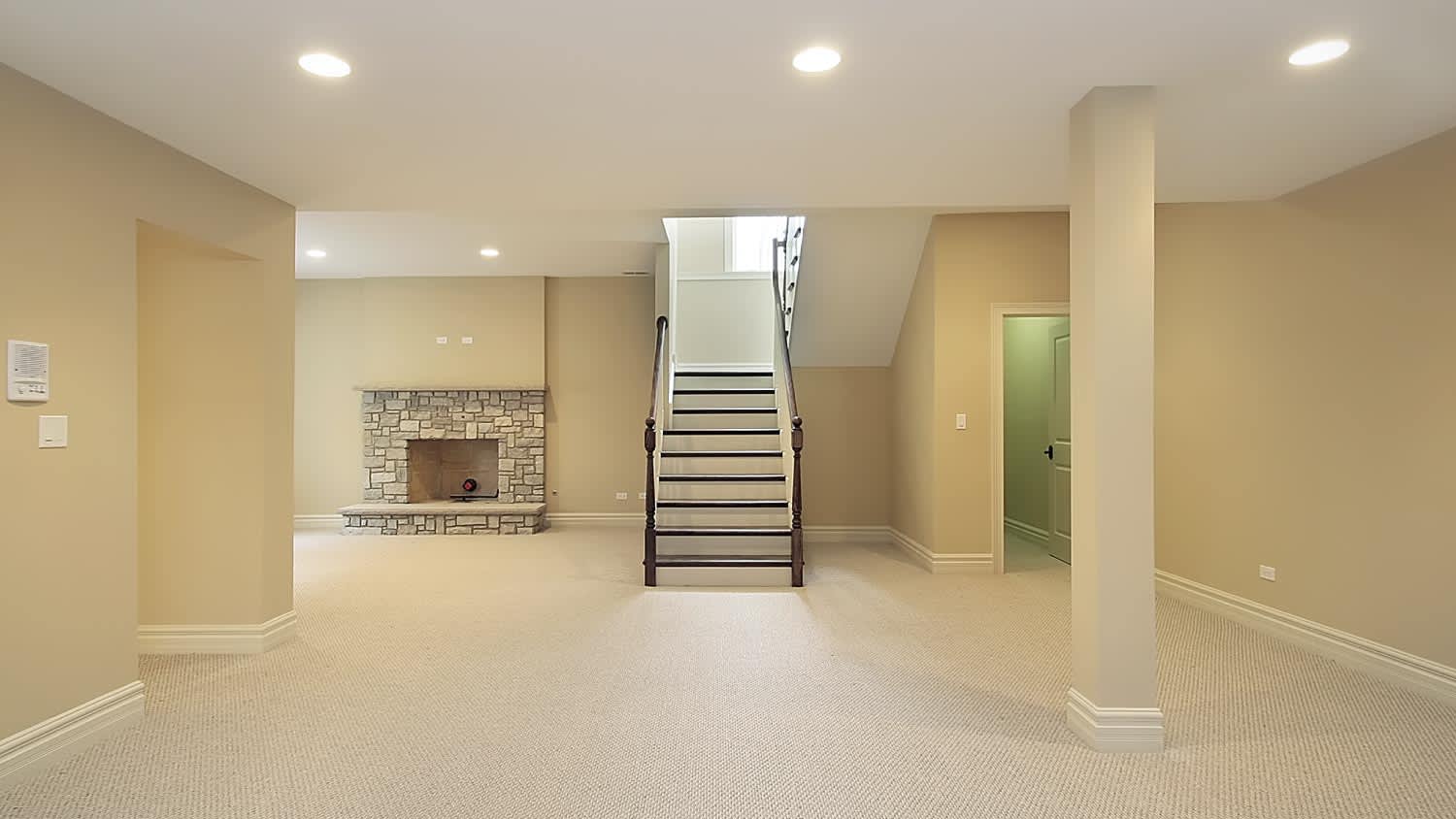
An unfinished basement has a lot of potential for a family room or guest suite. So how much does it cost to finish a basement? Read on for all cost factors.
Dealing with a damp basement? Follow these steps for DIY basement waterproofing to keep water and moisture out and boost your home’s energy efficiency.
Can’t seem to get rid of the moisture and mold in your basement? Learn why basements tend to hold moisture and how to get rid of moisture in the basement.