"Absolutely love how my bathroom remodel turned out! The team at Shepherd Contracting was super professional and made the whole process so easy. They worked fast but didn’t cut any corners, and everything looks amazing. Communication was great the whole way through, and they actually stuck to the timeline (which never happens with renovations lol). Plus, they kept everything really clean, which I totally appriciated. If you’re thinking about remodeling, I 100% recommend them!"
"These guys did an amazing job and I wish I could have give A+'s. Timing from the first call to the time they left my home was just under 24 hours. There was a minor timing issue but working together everything ended up working out perfect. I can't thank them enough as the original counter stone counter fabricator ended up backing out of doing it at the last minute. Thanks again guys as I will recommend you whenever I can!"
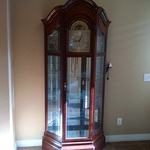
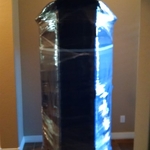
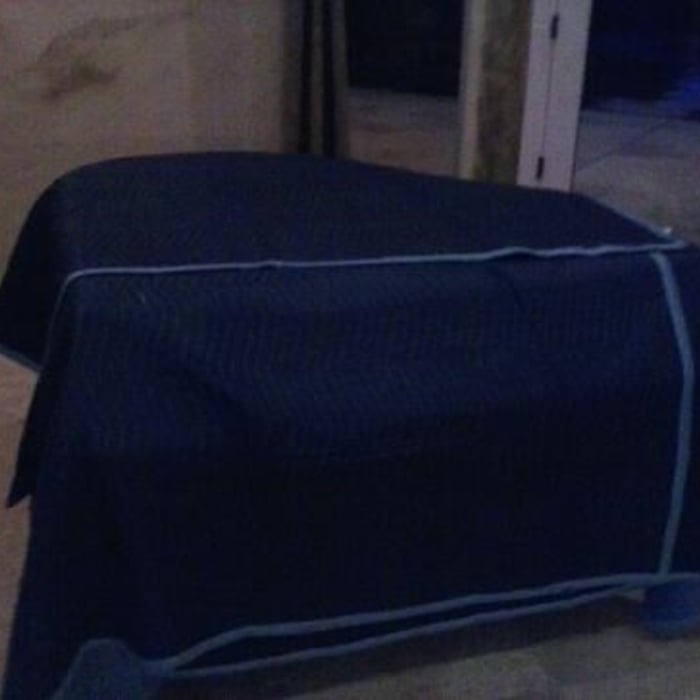
"Miller and his colleagues were able to do a lot of things quickly. Along with everything else, they also grabbed some old furniture that I needed help moving to the curb. They took several cares to make sure nothing was damaged during the move, including wrapping the furniture, turning off all the lights, and packaging the picture frames."
In some cases, it’s more cost-effective in the long run to replace a garbage disposal, but it depends on the specific issue you’re having and the age of your disposal. You should ask a garbage disposal repair tech for a quote to repair your appliance and then see if it would be more worthwhile to replace it. Additionally, garbage disposals last for around 15 years, so if you know your appliance is reaching that age, it’s likely better to pay for a new garbage disposal rather than sink money into repairs.
As with many appliances, proper maintenance is key to maximizing your garbage disposal’s life span. If everyone in your household is on board with proper care and maintenance, like running water while operating the disposal, you should get plenty of years out of your unit. Avoid putting the wrong food items down the disposal, including pasta, rice, bread, and more.
Never put glass in the garbage disposal. It can damage your disposal or eject shards of glass out of the disposal and cause injury. If you get broken glass in your garbage disposal, turn it off and cut the power from the breaker, use a tool like pliers or tongs to remove the glass, and use a wet-dry vacuum to remove the remaining glass pieces. If you can’t access the disposal safely, call a garbage disposal repair pro.
Most garbage disposals have a reset button that can be triggered with a tool as simple and accessible as your index finger. That said, if you need to perform a more in-depth troubleshooting step, like manually moving the arms inside the unit or rotating the impeller plate, a hex wrench is the most common tool you’ll need. Most garbage disposals come with a hex wrench.
Garbage disposals are durable appliances that usually last at least eight years as long as you clean and maintain them. It’s relatively rare for a garbage disposal to break on its own, as most malfunctions happen due to user errors, like overstuffing the grinding compartment or damaging the blades by trying to dispose of metal or bone. Eventually, cracks or leaks could develop in the unit, which requires a full replacement.
The Topawa, AZ homeowners’ guide to garbage collection services
From average costs to expert advice, get all the answers you need to get your job done.
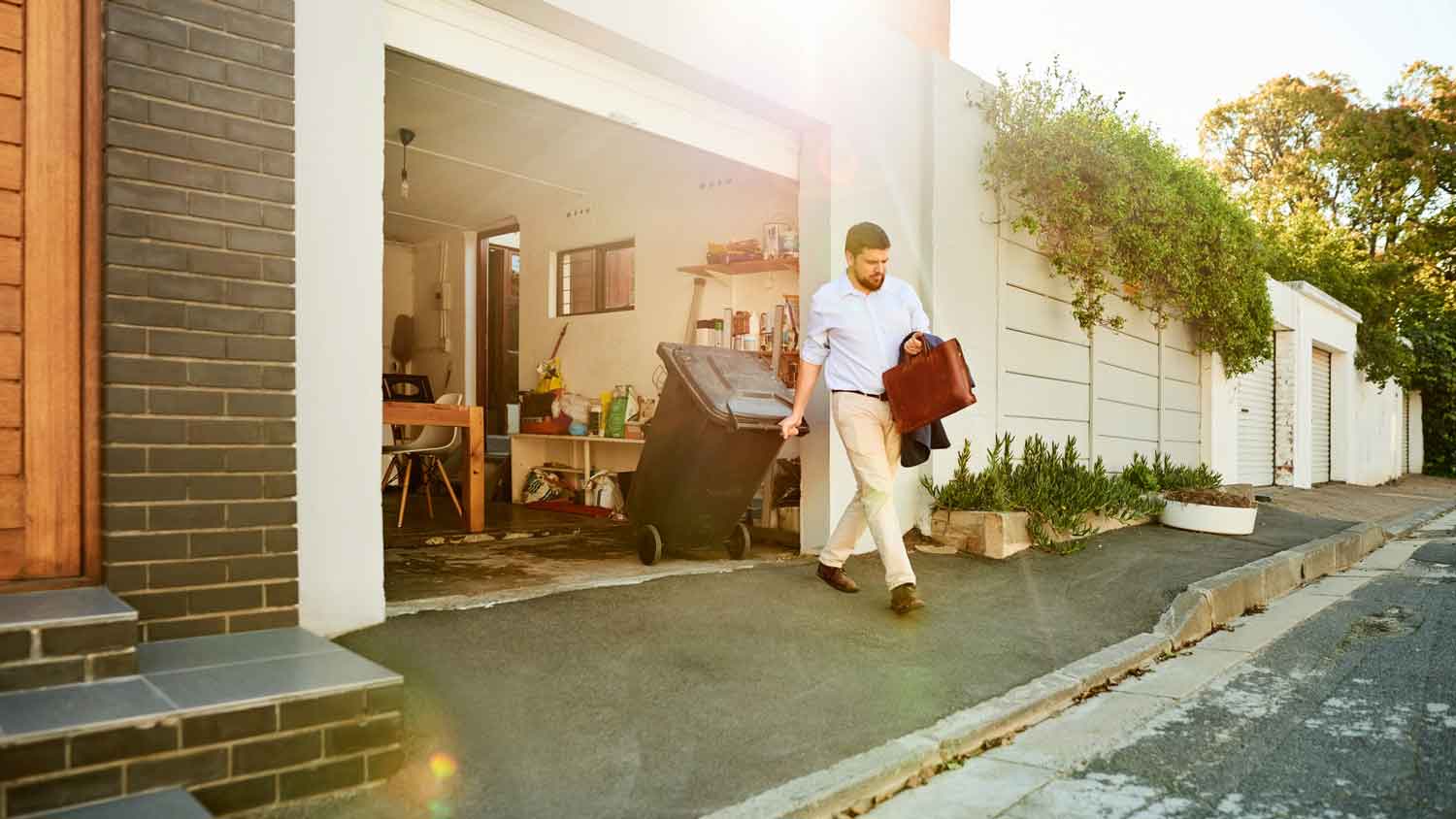
Garbage day has come and gone and your stuff still sits waiting on the curb. If you're wondering why your trash didn't get picked up, here's how to figure out what happened.
If your home is brimming with things you don’t need, find out about your options when it comes to how to get rid of trash, from junk collection to recycling.
Need to get rid of old paint but not sure where to turn? Learn who disposes of old paint to avoid illegal dumping fees and prevent damage to the environment.