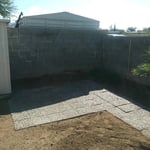
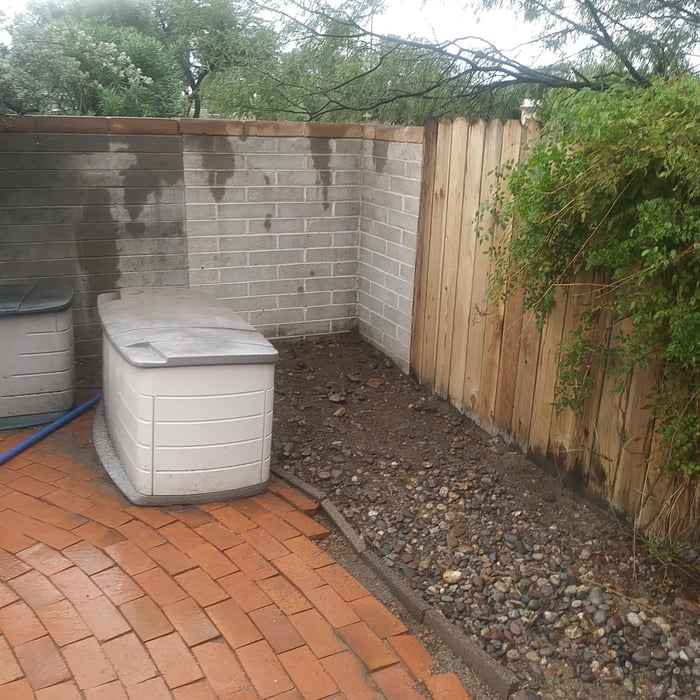
"They were very professional. Thoroughly cleaned my backyard after planting 2 trees for me. The customer service is above a 5 star rating. I would definitely hire them again."
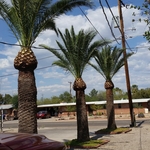
"They showed up with a good sized crew and a supervisor. The supervisor made sure the clean up was done well and also inspected the work for final details. They trimmed 5 trees and braved stinging fuzzy caterpillars to get the job finished. Good work."
"I have been impressed with Jose and his team. He is both friendly and professional. He has kept me informed at each step of the process and I would not hesitate to recommend him to anyone needing tree trim work. Thank you for referring him to us."
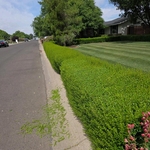
"I’ve been hiring Memo for over 15 years as he’s cared for my yard’s needs, including irrigation set up, up keep, lawn care and fertilizing, and clean up of bushes and trees. He’s reliable and easy to communicate with. Highly recommend Memo and his team to care for your yard. He’s very knowledgeable and gets your yard looking great."
"Our experience was excellent. He was prompt to arrive for the job, was thorough and professional. I would hire him again for future jobs and I will recommend him to my relatives and friends."
"Willie and his\ crew did a fantastic job removing gravel from my agility field. He also trimmed some tree branches that were low. He's dependable and trustworthy. His price is a bit above average but worth the money for the results."
We are committed to excellence in every aspect of our business. We uphold a standard of integrity bound by fairness, honesty, and personal responsibility. Our distinction is the quality of service we bring to our customers. Accurate knowledge of our trade combined with ability is what makes us true professionals. Above all, we are watchful of our customer's interests and make their concerns the basis of our business.
Although it’s possible, heavy machinery like a crane is necessary for removing an entire tree stump and all. This procedure is extremely costly, time-consuming, and usually unnecessary, as there are plenty of convenient and affordable stump removal options.
Your best bet, if you want to be sure to remove a tree and its stump efficiently, is to speak with a professional. They’ll be able to walk you through the entire process.
No. Most of the time, suckers are only a sign that the tree is experiencing stress. However, they can also be the canary in the coal mine, letting you know that something else is stressing your tree. If you have lots of suckers on your tree, calling in an arborist or a tree care expert is always a good call to determine the cause and develop a solution that de-stresses your tree.
Trees naturally want to grow upward, so one may straighten all by itself, though this only comes into play when a tree is leaning just a small amount. For trees growing into an awkward position or those leaning heavily in one direction, the above steps are necessary to ensure the tree gets back on the right path. This also holds true for trees planted in a spot with unstable soil.
Most experts recommend removing a tree that has sustained more than 25% loss in the limbs, trunk, or circumference of the bark. Doing an initial trimming of damaged and dangling branches, but then waiting a few days of monitoring to decide how much more you might need to cut can help you better assess the total damage to the tree. However, consulting a tree maintenance pro to make this determination the best course of action before removing a tree.
You should avoid cutting off the top of mature cherry trees. This process is called tree topping, and it’s not recommended for cherry trees—or any trees, for that matter. Tree topping removes between one-third to half of the length of the tree trunk, resulting in structurally unsound, fruitless suckers. The only exception is for saplings. Young pie, sour, and tart cherry trees that are over 30 inches tall in the fall or winter before the tree blooms can benefit from heading cuts.
The Topawa, AZ homeowners’ guide to arboricultural services
From average costs to expert advice, get all the answers you need to get your job done.
How much does an arborist cost? This guide explains the cost of different services, ongoing expenses, and other factors to consider when hiring an arborist.
Tree inspections can ensure your trees stay healthy and safe, preventing costly damage. Learn how much tree inspections cost and what can affect the price.
Arborists are specialized tree care experts. This guide will help you hire an arborist with all the qualifications to give your trees the best care possible.