

Top-rated radon detection and reduction specialists.

Get matched with top radon detection and reduction specialists in Taylor, AZ

Enter your zip and get matched with up to 5 pros

Need a pro for your radon detection and reduction project in Taylor, AZ?

Select your specific project to find the pro for you.

Find Radon detection and reduction specialists in Taylor

Avatar for 1-800 Water Damage of Prescott & North Scottsdale
1-800 Water Damage of Prescott & North Scottsdale
5.0(
2
)

Serving Taylor, AZ and surrounding areas

In business since 2023

Free estimates

Emergency services offered

Our mission is to be a water damage specialist that brings back the personal touch with our customers. We will build a relationship that will last a lifetime once you see our quality work. We're passionate about delivering an exceptional experience. When you hire us, you're hiring a team of professionals who are trained and skilled to deliver lasting value to your home. As a locally owned and operated business we feel invested in our clients and constantly strive for customer satisfaction. We won't leave until the job is done right! Call or click to schedule an estimate today!

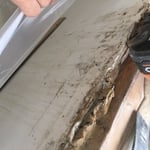
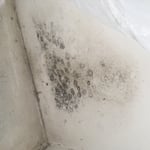
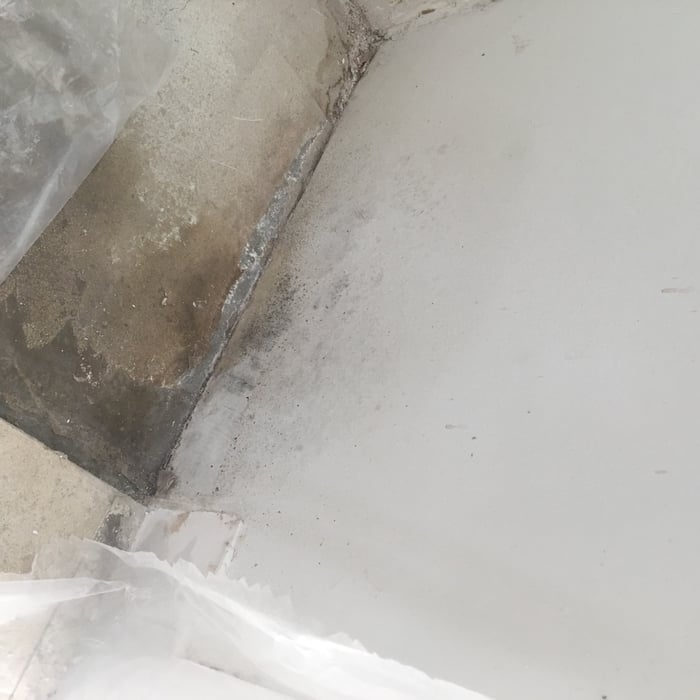
Mold Remediation
Mold Remediation
Mold Remediation
Mold Remediation
Mold Remediation

+8

Radon Detection and Reduction questions, answered by experts

The soil beneath your house is most likely what’s causing an increased level of radon. This is because soil holds radioactivity for a long time and it’s also what most buildings are built on. Another common source of radon is water from a source that hasn’t been through periodic radon tests, such as well water. Over time, the radon from the soil can inhabit other parts of your house like the foundation or plumbing.

Mitigation reduces radon levels, protecting your health and complying with safety standards.

The fan that pulls the radon out of the air needs to run continuously, so you may see an increase in your electric bill once you install the mitigation system. Additionally, you may see an increase in your heating or cooling bills, as the fan can cause some loss of hot or cool air.

The lifespan of a radon mitigation system depends on the type of system and its maintenance. With proper care, a system can last for many decades. Passive systems tend to last longer as they have fewer components that require replacement. Active systems, which have more moving parts like fans, generally have a shorter lifespan. For instance, water filtration devices and active pressurization systems require more frequent maintenance. While the system as a whole is durable, the radon fan in an active system typically has a lifespan of 5 to 10 years and will need to be replaced. As long as the fan is working, the mitigation system should function correctly.

No level of radon is technically safe, but since it is naturally present everywhere, it is impossible to avoid entirely. The average radon level in homes across the United States is 1.3 picocuries per liter (pCi/L). The Environmental Protection Agency (EPA) recommends taking action to reduce radon levels if your home's test results are between 2 and 4 pCi/L or higher.

The Taylor, AZ homeowners’ guide to radon detection and reduction services

From average costs to expert advice, get all the answers you need to get your job done.

What do you need done? We’ll find top pros.
  • 🌱 "Mow a small front yard"
  • 🛠 "Fix a leaking pipe under the sink"
  • 🏠 "Repair shingles on an asphalt roof"