
Top-rated radon detection and reduction specialists.

Get matched with top radon detection and reduction specialists in Saint Johns, AZ

Enter your zip and get matched with up to 5 pros

Need a pro for your radon detection and reduction project in Saint Johns, AZ?

Select your specific project to find the pro for you.

Find Radon detection and reduction specialists in Saint Johns

Avatar for Affordable Radon Southwest
Affordable Radon Southwest
4.7(
356
)
Radon Gas - Abatement

Serving Saint Johns, AZ and surrounding areas

Approved

Super Service Award Winner

In business since 2011

Free estimates

Warranties offered

"A potential buyer for a house I was selling had a Radon Test done. It scored a 13.7! Affordable Radon came out and gave me a bid for two systems, one for each side of the house. 3 weeks later the score is 1.1! They did a great job and got rid of the radon from beneath the slab!"
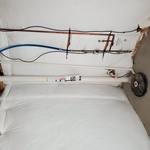
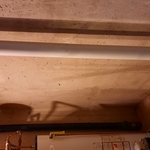
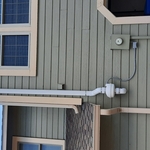
Radon Mitigation System
Radon System

+12

Response time1 day
Response rate89%
5 neighbors recently requested a quote
Radon Detection and Reduction questions, answered by experts

Abatement includes sealing entry points and venting with systems that reduce radon levels below recommended EPA limits. It is handled by certified professionals.

If your home has a sump pit, you can integrate it with a radon mitigation system. You can accomplish this by sealing the pump cover with an airtight lid that accommodates radon vent pipes and sump pump hoses. This allows the vent pipe to redirect the radon gas outside of your home.

Your radon mitigation system may be loud because it’s time to replace it. Any sounds are usually from the inline fan that helps create the vacuum and resulting airflow. If you hear a new, loud mechanical or humming noise from your radon fan, it might be time to replace it. Most fans used in radon mitigation systems last up to 10 years, but may need to be replaced sooner.

Installing a mitigation system reduces radon levels, which can cause lung cancer, providing peace of mind and long-term health benefits. It can also increase your home’s value, as many buyers prefer properties with radon safety measures in place. The investment is relatively low compared to the potential health risks associated with prolonged radon exposure.

No level of radon is technically safe, but since it is naturally present everywhere, it is impossible to avoid entirely. The average radon level in homes across the United States is 1.3 picocuries per liter (pCi/L). The Environmental Protection Agency (EPA) recommends taking action to reduce radon levels if your home's test results are between 2 and 4 pCi/L or higher.

The Saint Johns, AZ homeowners’ guide to radon detection and reduction services

From average costs to expert advice, get all the answers you need to get your job done.