

Get matched with top radon detection and reduction specialists in Twin Lakes, NM
Top-rated radon detection and reduction specialists.

Need a pro for your radon detection and reduction project in Twin Lakes, NM?

Select your specific project to find the pro for you.

Find Radon detection and reduction specialists in Twin Lakes

Avatar for Affordable Radon Southwest
Affordable Radon Southwest
4.7(
368
)

Serving Twin Lakes, NM and surrounding areas

Approved

In business since 2011

Free estimates

Warranties offered

"The company rep was knowledgeable and hard-working, he even worked with me to get around some technical issues before he started the install. I do wish there would have been a follow up and more education with the “how-to” of the test that I had to set up and send in to ensure that the unit is working properly. All in all, I would recommend Affordable Radon Services for radon mitigation installation."
Radon Mitigation System
Radon System

+3

Response time1 day
Response rate87%
8 neighbors recently requested a quote
Frontier
New to Angi

Serving Twin Lakes, NM and surrounding areas

Asbestos is a hazardous material that poses serious health risks when its fibers become airborne and are inhaled. Exposure to asbestos can lead to severe respiratory diseases, including lung cancer and mesothelioma. For these reasons, it is essential to remove asbestos safely and in compliance with regulations to protect the health of occupants and ensure the property meets safety standards.

Radon Detection and Reduction questions, answered by experts

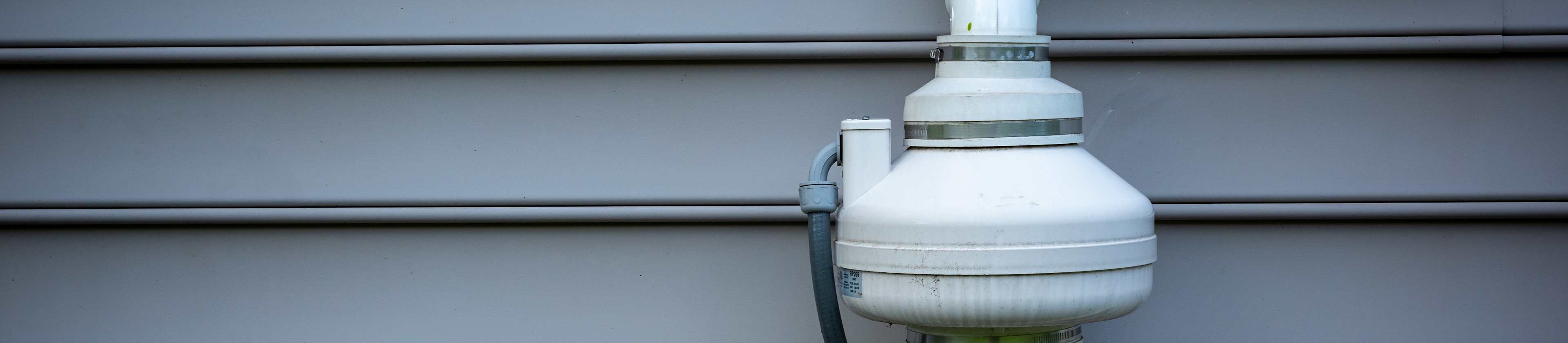
The lifespan of a radon mitigation system depends on the type of system and its maintenance. With proper care, a system can last for many decades. Passive systems tend to last longer as they have fewer components that require replacement. Active systems, which have more moving parts like fans, generally have a shorter lifespan. For instance, water filtration devices and active pressurization systems require more frequent maintenance. While the system as a whole is durable, the radon fan in an active system typically has a lifespan of 5 to 10 years and will need to be replaced. As long as the fan is working, the mitigation system should function correctly.

If your home has a sump pit, you can integrate it with a radon mitigation system. You can accomplish this by sealing the pump cover with an airtight lid that accommodates radon vent pipes and sump pump hoses. This allows the vent pipe to redirect the radon gas outside of your home.

The average radon mitigation system uses about 876 kWh of electricity per year, although the exact amount of electricity used will vary depending on the size of the radon fan. Once the system is installed, the annual increase to your energy bill could range from $30 to $300 per year, again depending on the size of the fan.

The soil beneath your house is most likely what’s causing an increased level of radon. This is because soil holds radioactivity for a long time and it’s also what most buildings are built on. Another common source of radon is water from a source that hasn’t been through periodic radon tests, such as well water. Over time, the radon from the soil can inhabit other parts of your house like the foundation or plumbing.

While DIY testing is possible, abatement generally requires professional installation to ensure efficacy and meet safety standards.

The Twin Lakes, NM homeowners’ guide to radon detection and reduction services

From average costs to expert advice, get all the answers you need to get your job done.




