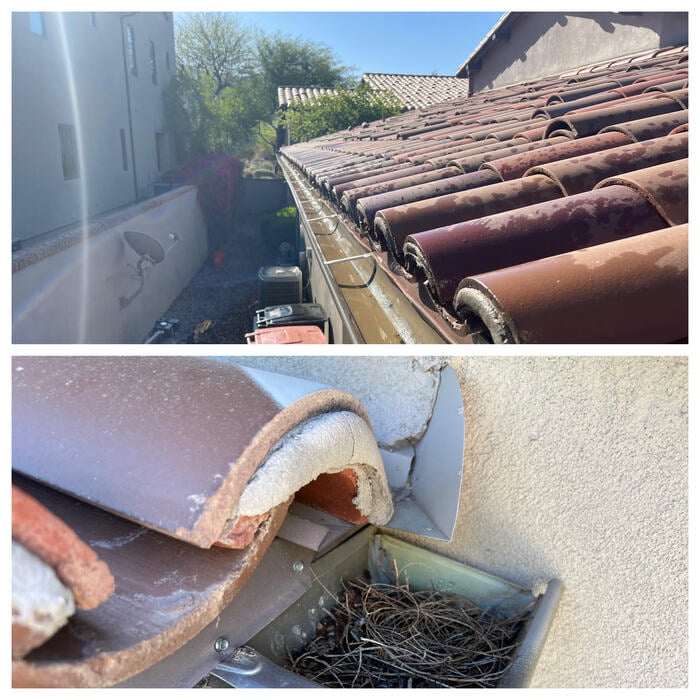
"Just checked roof and no pigeons. Awesome! Brandyn of On Edge Pest Control contacted us promptly. Upon inspection, he provided options to resolve problem along with explanation of each process, cost, and pros/cons. Quotes were very reasonable. Once method decided, work began almost immediately. Communication was easy. With other companies, had waited weeks or months to hear back if any response received at all. Brandyn is a knowledgeable, personable, honest, hard-working conscientious young man. Definitely recommend On Edge Pest Control. Just wish we had found Brandyn prior to spending many hundreds of dollars and wasting months of frustration trying to work with another company without success. Try On Edge Pest Control."
"Very knowledgeable guy who seem to know what he’s doing. Don’t know results of spraying. Have had much rain since. Will have to see if it worked. Terminex will spray again the beginning of next month."
"It's been one week, since we got the pest control for roaches done. The roaches have certainly decreased, but not completely wiped out. Still waiting for that to happen."
"did a good job of explaining how their treatments can be effective in rodent proofing our property Thorough in their work. Pleasant. Professional. Courteous."
Roof rats can carry a variety of pathogens and parasites, including salmonellosis (food contamination), leptospirosis, trichinosis, rat-bite fever, murine typhus, plague, and toxoplasmosis. Diseases can be spread via urine, droppings, or saliva. To prevent transmission, it’s essential to promptly address a roof rat infestation and avoid direct contact with the animals where possible.
Badgers have a strong sense of smell, so it’s possible you can deter them with strong scents, such as applying citronella oil to the bottom of your fence, adding crushed scotch bonnet peppers sprinkled throughout your garden, or mixing both of these into a solution to spray around your home and garden.
Gel bait and gel bait traps use poison to kill cockroaches, and aren’t safe to use around pets. Many gel bait traps are called “child-resistant,” but this only means that the traps are hard to rip open for children. Large pets and children are still able to swallow them. If you use gel bait, use it in areas where pets and children can’t access them, such as under a washing machine. Another option is to use glue traps, which don’t contain pesticides and are safe to use around pets.
Alongside selecting the best bait for an iguana trap, the location, position, and timing play a part. If the lizards have a burrow in your yard or regularly take the same route, place the trap there during the day. Iguanas are diurnal and most active during the day. A shady spot is best to keep the animal comfortable. And don’t forget to pick a level surface or stabilize the trap with a brick—iguanas are less likely to enter if it’s wobbly.
Rats are nocturnal creatures, meaning they are most active at night, typically from late evening through the early morning. They use the cover of darkness to explore, forage for food, and find water, as they feel safer and can avoid daytime predators and human activity. Their sharp senses, including keen night vision and hearing, are well-suited for navigating in the dark. Because they prefer to stay hidden during the day in secluded areas like walls or attics, you are more likely to spot signs of their presence—such as droppings or gnaw marks—before you see an actual rat.
The Sanders, AZ homeowners’ guide to pest control services
From average costs to expert advice, get all the answers you need to get your job done.