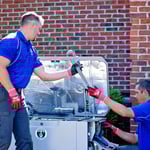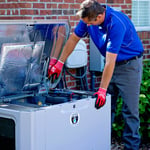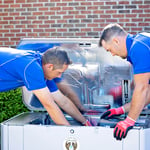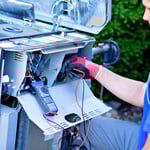


"I am very happy with the professionalism and service from Mr. Electric of Little Rock. I will be looking forward to hiring them again for future projects."
Since 2016, AEV Solar has been committed to taking care of customers across Arkansas by delivering reliable backup power and energy resilience solutions for homes and businesses. We specialize in custom battery backup, generator-integrated systems, and intelligent whole-home or commercial energy setups designed around each customer’s actual energy needs. With a strong focus on customer satisfaction, quality workmanship, and long-term support, we help our customers gain peace of mind knowing their property is protected when outages happen.
"Super clean install. Chad and Carl left the install area spotless. They explained the operation of the generator. I will be recommending them to my family and letting Generac know how well they represent them."
"Needed a fixed home generator due to health issues. They worked on a scheduled day off to assure we had a generator installed prior to my husband coming home from the hospital. They worked efficiently and with the gas company. I would recommend them to anyone in central Arkansas needing service."
Sizing a generator is a careful process that requires calculating the electrical load of your entire house. You have to take into account every device you want to use and their wattage requirements, plus the wattage needed to start them, and look for a generator that can safely run all that at around 80% capacity.
In more practical terms, a small home can run on a 10,000-watt generator (and if you only want to power a few key appliances, much less than that). A mid-sized home may need something between 15,000 and 22,000 watts. Larger homes require 25,000 watts or more.
No, you should never plug a generator directly into a wall outlet in your house. This practice is extremely dangerous, often illegal, and can cause "back-feeding," where power from the generator flows back into utility lines, creating a life-threatening hazard for utility workers. It can also damage your home's electrical system, including appliances like pumps and HVAC fans. If the main power is restored while the generator is connected, it can destroy the generator and cause an electrical fire. To safely connect a generator, you must use a professionally installed transfer switch or an interlocking kit, which prevents back-feeding by disconnecting your home from the utility grid before the generator provides power.
While natural gas generators are costly, they’re a great option for standby power due to the reliability of natural gas as a fuel source. Unlike other fuels, natural gas is delivered through underground pipes, making outages extremely rare and less likely to be affected by the elements. As long as the area isn’t prone to earthquakes, they offer an unlimited supply of natural gas that doesn’t degrade over time or require storage in tanks.
Costs range from $500 to $2,500, depending on generator type and installation complexity.
The average cost to install a home generator is $5,200, but total costs can range from $500 to $18,000 or more. The final price depends on several factors, including the generator's size, type, brand, fuel source, and the cost of labor and assembly. The generator's size is the most significant cost factor, as units that can power larger homes with higher energy demands cost more.
Cost breakdowns by generator type are typically as follows:
Portable or Emergency Backup Generators (1kW–7.5kW): $500–$2,000
To ensure you get the right size unit for your needs without overpaying, consider hiring an electrician to calculate the electrical load of your essential appliances. It is also recommended to get at least three quotes from qualified installers to find the best fit for your budget.
The White Hall, AR homeowners’ guide to generator installs
From average costs to expert advice, get all the answers you need to get your job done.
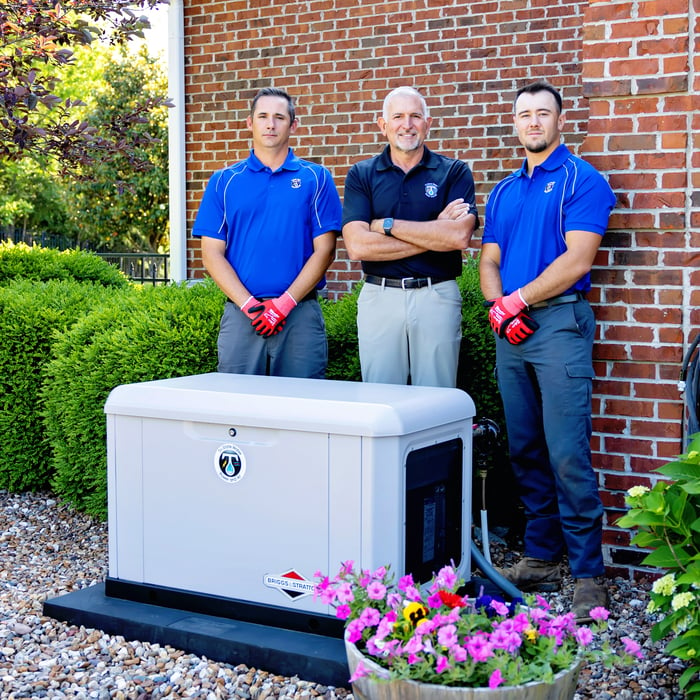
Natural gas generators are whole-home standby generators that are connected to your home’s natural gas line. The average cost for a natural gas generator is $12,000.
Generators should give you peace of mind, but you’ll only get that if your installer knows what they’re doing. Learn how to hire a pro and what red flags to look for.
Thinking about a generator installation? Learn about backup power options, costs to expect, and how to hire the right local pro to keep your home running.