


Top-rated deck cleaning pros.

Best deck cleaning pros near Lewisville, AR

Enter your zip and get matched with up to 5 pros

Need a pro for your deck cleaning project in Lewisville, AR?

Select your specific project to find the pro for you.

Top-Rated Deck cleaning pros in Lewisville - Updated Nov 2026

Avatar for Duraplex LLC
Duraplex LLC
4.5(
45
)
Deck, Fence, Patio or Porch - Clean and SealDeck, Fence, Patio or Porch - Clean and Seal - For Business

Serving Lewisville, AR and surrounding areas

In business since 2006

Free estimates

Emergency services offered

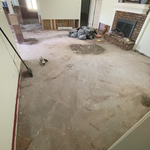
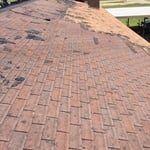
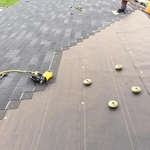
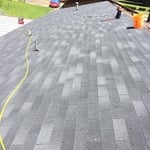
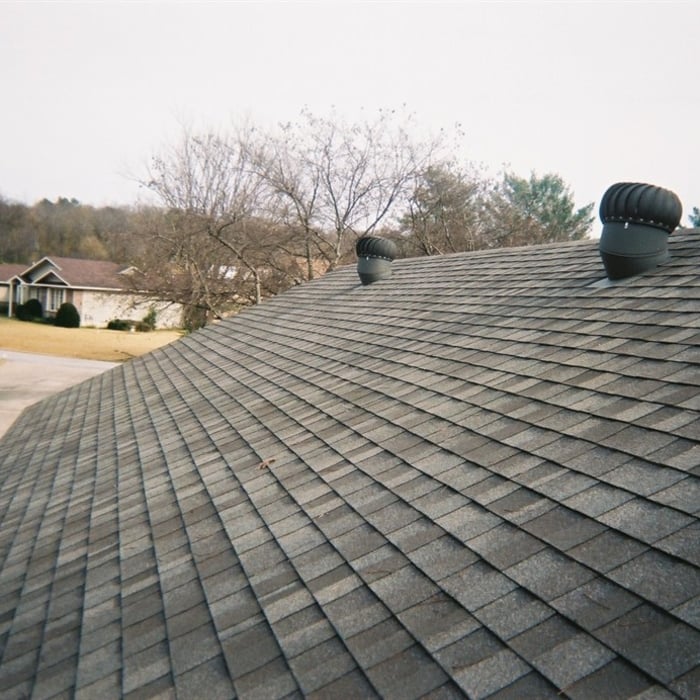
"Duraplex installed a metal roof on my house and barn. It came out great and i was very happy with the outcome. The owner and the crew are very professional and punctual. They also made sure to clean up after the work. I would recommend this company to my family and friends!"
Additional Photos
Additional Photos
Additional Photos
Additional Photos
Additional Photos

+16

Recommended by91%of homeowners
Fix it Guy
3.7(
52
)
Deck, Fence, Patio or Porch - Clean and SealDeck, Fence, Patio or Porch - Clean and Seal - For Business

Serving Lewisville, AR and surrounding areas

In business since 1995

Free estimates

Emergency services offered

"Nice people. I would call them again for basic work if not on a tight timeline. (They have to drive in from about 90 miles away and there were several delays.) They assessed what needed to be done accurately, stayed an extra hour without charging me extra, and cleaned up. Work quality and communication were average."
Recommended by74%of homeowners
Showing 1-10 of 34
Deck Cleaning FAQs, answered by experts

Most building codes list a minimum width of 36 inches and a maximum height of 7¾ inches. However, for the most comfort and spaciousness, you’ll want to aim for a width of at least 48 inches and a height of 7 inches. Again, it’s always a good idea to base your numbers off steps that you already use comfortably.

While you can use various materials like sand or even just soil, gravel is widely considered the best option to put under a deck. It provides excellent drainage and is resistant to water, fire, and pests. Gravel also helps anchor the soil to prevent erosion during heavy rain and acts as a built-in weed blocker, reducing regular upkeep. Furthermore, it is simple to spread, available in various textures and tones, and adds a polished look that complements any deck design.

Ideally, a gate should be able to swing both in and out. However, if it can only open in one direction, it is generally best for it to swing inward. This is often the safest option, especially for deck gates near steps, as you'll want the gate to swing away from the stairs. An inward swing also prevents the gate from opening into a public space, like a sidewalk, and can be more convenient when carrying heavy items like a wheelbarrow into a garden.

There are exceptions, however. The layout of your property may require a different approach. For example, if your property is on a slope, the gate may not be able to swing inward. You should also ensure the gate can open fully without colliding with any objects or blocking access to other areas. For a backyard garden gate where public access isn't a concern, the direction it swings is largely a matter of personal preference. Finally, always check your local building codes, as they may have specific requirements for which way a gate must swing.

The best base materials for a ground-level or floating deck are typically gravel and crushed stone (also known as landscaping rocks). These options are inexpensive, provide excellent drainage, prevent weeds, and help minimize moisture buildup, which reduces shifting and rotting. For added stability and to evenly distribute the weight, you can use concrete deck blocks or pavers. While more expensive, concrete blocks and pavers offer a sturdier base than gravel or crushed stone alone.

Most building codes require that spindles or balusters on deck and stair railings be spaced no more than four inches apart. This safety standard, often called the '4-inch sphere rule,' is designed to prevent small children or pets from slipping through the railing. A good way to visualize this is that a 4-inch sphere should not be able to pass between two spindles. For the same safety reason, the space between the bottom rail and the deck floor should also be no more than four inches. As a general guideline, professionals often install three balusters per foot of railing. However, since specific requirements can vary by location, it is crucial to check your local building codes to ensure compliance before starting your project.

The Lewisville, AR homeowners’ guide to deck cleaning services

From average costs to expert advice, get all the answers you need to get your job done.