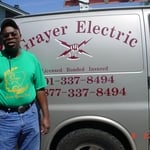
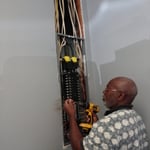
"They are the only people we use. We've been using them for 13 years now. Anytime we need electrical, I just call them up. They are real good with pricing and everything."
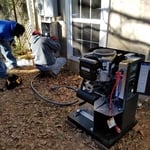
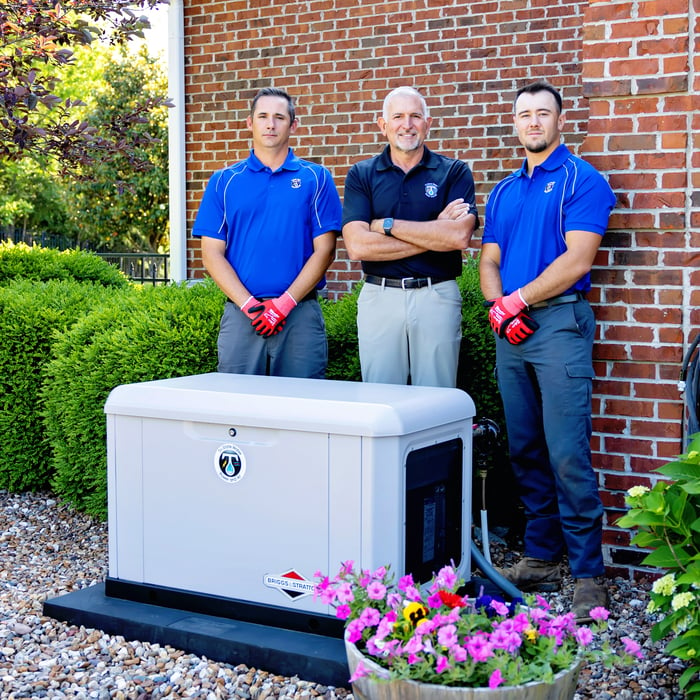
We are the experts in the field of Whole Home Generator Sales and Installation, with over 20 years of experience in the game. We provide turn-key installation by licensed professionals - 24 hour emergency service - Remote Monitoring - Long term maintenance and service by factory trained technicians.
With over 5 years of experience, Legacy Low Voltage Solutions LLC is committed to excellence in every aspect of our business. We uphold a standard of integrity bound by fairness, honesty, and personal responsibility. Our distinction is the quality of service we bring to our customers. Accurate knowledge of our trade combined with ability is what makes us true professionals. Above all, we are watchful of our customers' interests and make their concerns the basis of our business. Call us today!
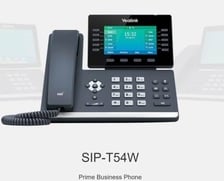
Our Company provides a one-stop solution for all of your voice, internet, and telecom needs. Leveraging the Cloud we provide your Office state-of-the-art telephones for little or no upfront cost striving to keep your monthly costs the same. Sound too good to be true? Give us a call and we will show you how.
"Very honest and affordable!!! Don’t waste your time with a handyman when it comes to electrical!! He knew the problem and fixed it right away. Also, was very professional. I will use them again if need be!!"
We are a locally owned and operated company that values honesty and integrity and treats your home as if it were our own. We have many years of experience to give you confidence that we are your number one choice for your next home project. You will find us to be competitively priced with close attention to the details of each and every project that we are involved with. We look forward to building lasting relationships and guarantee your satisfaction!
"I called Logue Electric to set up my work and I was told that they were no longer affiliated with Angie's List and that I would need to contact you for a refund."
"This company is obviously nationwide and hires local contractors. I trusted Agies List that all contractors are licensed, bonded and have background checks. This person was a handyman and not qualified to wall mount, conceal wires, add electrical outlet. He spend five hours in my home, for a job that should have taken two hours and left the area in a disaster. The TV was hung close to the ceiling, the wires were hanging down from the TV, and the receiver was sitting on top of a plaster box because the cord was too short. He was obviously not qualified to install TV wall mounts. I have photos. As soon as he left, I called Best Buy Geek Squad. They were able to come out the next day and mount the TV professionally. I have used the geek squad in Virginia and they are highly qualified. They charge more than this nationwide company but you get what you pay for. I called Angies List the day after the disaster and said i did not want to rate this company but I wanted to talk to a manager. No one called me to apologize. I have cancelled my membership. Do not use this company unless you can be assured that the local contractor is qualified and is licensed. You should never let anyone into your home that has not had background checks. "
Yes, the majority of appliances that run at 240v will work with a 220v outlet, but will often run slower and may have a slight delay in turning on. This could also cause long term damage to the appliance being used, so it’s recommended to always use the correct voltage for your appliance and upgrade to a 240v outlet if needed.
Yes, many professionals offer surge protection to safeguard equipment from power fluctuations.
Switching the hot and neutral wires in an outlet or receptacle, a condition known as reverse polarity, is dangerous. While the outlet will still function and provide power, it creates a significant electrical shock hazard because anything plugged into it will remain electrified even when switched off. If you touch a conductive part of the appliance, such as the metal components of a toaster, you could receive an electric shock.
If you’re wondering whether an electrical panel in the bathroom needs to be moved, the answer is yes. Due to the risks of shocks and electrical fires, electrical panels cannot be located in bathrooms per National Electric Code Volume 70. Additionally, gasses, vapors, liquids, and temperature fluctuations can all compromise the functionality of your electrical panel, so it’s important to install it in a dry, cool, safe, and easily accessible location.
DIY is not recommended for commercial settings due to safety regulations. Hire licensed professionals for compliance.
The Glenwood, AR homeowners’ guide to electrical services
From average costs to expert advice, get all the answers you need to get your job done.
Before you hire a licensed electrical contractor, you should learn the cost to run electric from the road to your house so you can budget for the project.
Whether you’re shopping for a new home or simply doing a safety check on your current place, learn what factors influence an electrical inspection cost.
Is it time to upgrade your electrical panel? For the sake of safety, find out sooner than later by exploring our top signs that it’s time for an upgrade.