





Top-rated siding pros.

Get matched with top siding pros in Brookland, AR

Enter your zip and get matched with up to 5 pros

TRUSTED BY BROOKLAND, AR HOMEOWNERS

  • Average homeowner rating star icon4.3
    Average homeowner rating
  • Verified reviews icon19
    Verified siding services reviews

Find Siding pros in Brookland

Avatar for AbleMen Services, LLC
AbleMen Services, LLC
5.0(
4
)

Serving Brookland, AR and surrounding areas

In business since 2022

Free estimates

Emergency services offered

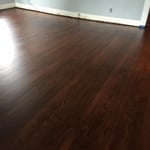
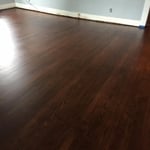
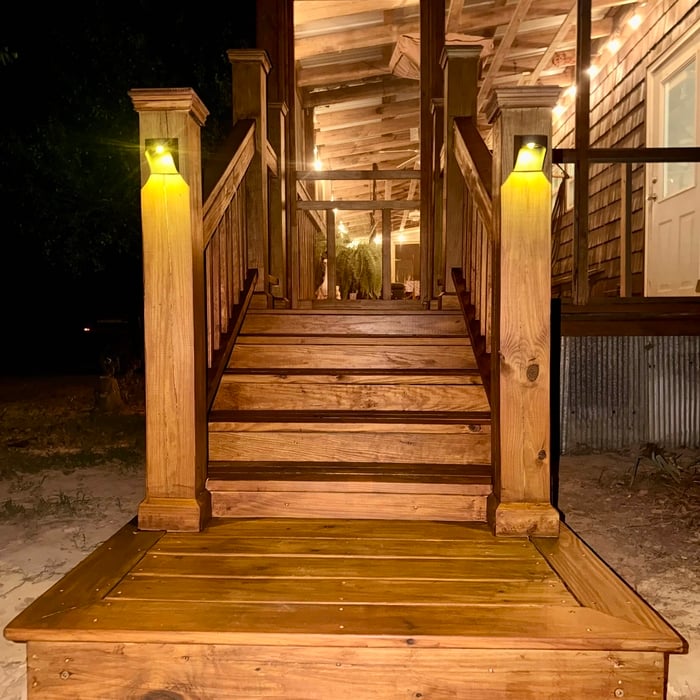
"It went really well!! They were fast,replaced railing and reinforced wheelchair ramp, and replaced floor where it was needed in a few hours! I have no complaints and would hire again"
Additional Photos
Additional Photos
Additional Photos
Additional Photos
Additional Photos

+12

Recommended by100%of homeowners

Avatar for Smiths Residential Services
Smiths Residential Services
5.0(
3
)

Serving Brookland, AR and surrounding areas

In business since 2019

Emergency services offered

Credit card accepted

"This gentleman was wonderful, he came in and did his job with grace and manors. He was on time and when he was finished I was extremely satisfied. Will rehire when I need more done and will also refer his work to others! Such a wonderful gentleman!"
Additional Photos
Additional Photos
Additional Photos
Additional Photos
Additional Photos

+9

Recommended by100%of homeowners
Showing 1-10 of 21
Siding questions, answered by experts

The average cost to install stucco siding on a home is around $5,700, with most homeowners paying between $2,200 and $9,100. However, the total cost can range from $750 to as high as $22,750 depending on several factors. On average, you can expect to pay between $7 and $9 per square foot. Key cost factors include the size and complexity of your home, the desired color and texture, labor and material costs in your area, and whether you have a multi-story home. Specific applications have different costs, such as adding stucco over brick ($7 per square foot) or over wood siding ($8.50 per square foot). To save money, you can consider removing the old siding yourself or scheduling the installation during the off-season.
You should plan to stain or refinish your home's cedar siding every three to seven years to maintain its appearance and provide maximum protection, though some estimates suggest a range of four to six years. The exact frequency depends on several factors, including your local climate, exposure to severe weather like direct sunlight, rain, and wind, the quality of the initial stain application, the type of stain used, and the overall condition and quality of the wood.

For homes in harsh climates with high humidity and significant sun exposure, you should plan on staining as often as every three years, while those in milder locations may only need to do so every seven years. For the longest-lasting protection in particularly harsh climates, consider using an opaque stain.

If you are looking for a lower-maintenance alternative, you might consider vinyl or aluminum siding. While the initial installation cost can be higher, they do not require as much upkeep and can offer more value over time, especially in areas with excessive rainfall or high humidity.

The cost to install or replace brick or stone siding generally ranges from $10 to $50 per square foot. The final price depends on several factors, including the specific material type, local labor rates, and any necessary preparation work, such as removing old siding. For example, different types of stone have varying costs per square foot: natural stone ($4.50–$35), stone veneer ($11–$13), faux stone ($6–$9), and cultured or manufactured stone ($5–$8).

There should be small gaps between your roof and the walls of your home, and other buildings. These small gaps let building materials shift, expand, and contract with weather and other outside forces, and they prevent moisture from wicking down walls from roofing and gutter systems. Without these strategic gaps, your home’s exterior and its finishes can sustain water damage, decay, peel, delaminate, and crack. However, there is a fine line between a smart gap and a problematic gap—all  gaps should be small, intentional, and covered or filled in with foam insulation to prevent pests from using them as access points.

The best type of paint for vinyl siding is a high-quality acrylic latex paint, often labeled as '100% acrylic.' This type of paint is lightweight and adheres well to the vinyl surface, which reduces the likelihood of it peeling or flaking. For best results, apply two coats and avoid using thick paint. The color choice is also important; select a light color to prevent the paint from absorbing excess heat, which helps extend the durability of your paint job.

The Brookland, AR homeowners’ guide to siding services

From average costs to expert advice, get all the answers you need to get your job done.
What do you need done? We’ll find top pros.
  • 🌱 "Mow a small front yard"
  • 🛠 "Fix a leaking pipe under the sink"
  • 🏠 "Repair shingles on an asphalt roof"