






Top-rated generator install pros.

Best generator install pros near Bradford, AR

Enter your zip and get matched with up to 5 pros

Need a pro for your generator install project in Bradford, AR?

Select your specific project to find the pro for you.

Top-Rated Generator install pros in Bradford - Updated Nov 2026

Arledge home repair
New to Angi
Portable Generator - Repair

Serving Bradford, AR and surrounding areas

Approved

Hi! My name is Guage, and I provide reliable handyman and home repair services. I have experience with a wide range of residential repairs, including plumbing, electrical, HVAC, drywall, appliance repairs, general maintenance, and other odd jobs around the house.\n\nI take pride in doing things right, keeping my work clean, and treating every home like it’s my own. If you have something that needs fixed, repaired, installed, or just looked at, feel free to reach out. I’d be happy to take a look and give you an honest estimate.

Avatar for RK Electric
RK Electric
5.0(
4
)
Fixed Generator - InstallFixed Generator - RepairGenerator - Install - For Business+2 more

Serving Bradford, AR and surrounding areas

In business since 2025

Free estimates

Offers commercial services

"RK Electric did an outstanding job on our main breaker for our chicken farm — the work was done efficiently, professionally, and in a very timely manner. We were so impressed with the quality and reliability that we’ve now hired him for our new home as well. He’s full of great suggestions, very knowledgeable, and always helpful throughout the process. Overall, an excellent experience from start to finish! ⭐️⭐️⭐️⭐️⭐️ We’ll definitely be using RK Electric for all of our electrical needs from now on."
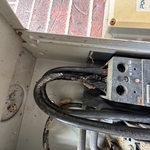
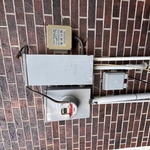
Blackrock generator
Blackrock generator
Before repair
Before repair
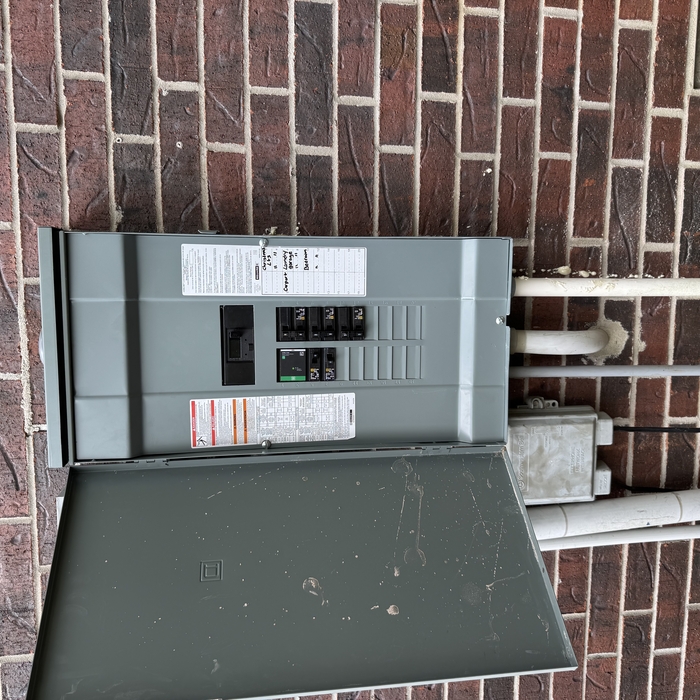
New panel

+2

Response time8 hrs
Response rate100%
Justin tharp
New to Angi
Fixed Generator - InstallPortable Generator - Install

Serving Bradford, AR and surrounding areas

As a master electrician based in Arkansas with over 20 years of hands-on experience, I take pride in delivering high-quality electrical work you can trust. My background spans both residential and commercial projects, giving me the knowledge and skill to handle everything from simple repairs to complex installations. I’m committed to safety, reliability, and doing the job right the first time, while maintaining clear communication and professionalism with every customer. Whether you need upgrades, troubleshooting, or new construction wiring, I bring dependable expertise and a strong work ethic to every project.

Showing 1-10 of 16
Generator Install FAQs, answered by experts

If you’re deciding between a solar battery versus a generator for the best backup power solution, you can take a few factors into consideration. Solar batteries are quiet while generators can be quite loud. Generators have a lower up-front cost, but they require fuel and ongoing maintenance while solar batteries are more expensive but don’t have many ongoing costs.

Sizing a generator is a careful process that requires calculating the electrical load of your entire house. You have to take into account every device you want to use and their wattage requirements, plus the wattage needed to start them, and look for a generator that can safely run all that at around 80% capacity.

In more practical terms, a small home can run on a 10,000-watt generator (and if you only want to power a few key appliances, much less than that). A mid-sized home may need something between 15,000 and 22,000 watts. Larger homes require 25,000 watts or more. 

Natural gas and electricity rates vary significantly based on location, and pricing can change over time, too. It’s possible that in locations where natural gas is particularly inexpensive, it will cost less than grid-based electricity will. However, you should also factor in the generator’s initial costs and maintenance needs, as well as its noise level and if it can comfortably power all your home appliances.

To determine the right size generator for your house, you should calculate the total wattage of the appliances and devices you want to power during an outage. List all essential items, note their start-up wattages, and add them together.

Here are some typical wattage requirements for common appliances:

  • Refrigerator: 600 watts

  • Large dehumidifier: 700 watts

  • Large window air conditioner: 1,400 watts

  • Water heater: 3,000 to 4,500 watts

  • Electric furnace: 5,000 to 25,000 watts

A 7,500-watt generator might be sufficient for essentials like a refrigerator, freezer, well pump, and lighting circuits. However, for high-demand items like a water heater or furnace, a whole-home generator is a better choice. A portable generator may be enough if you only need to power a few critical items.

While home square footage can offer a rough estimate, it is not always a reliable indicator. For reference, here are some typical generator sizes based on square footage:

  • 1,000 sq ft: 6–9 kW

  • 1,500 sq ft: 7–10 kW

  • 2,000 sq ft: 10–14 kW

  • 2,500 sq ft: 12–16 kW

  • 3,000 sq ft: 16–20 kW+

For the most accurate sizing, consult a professional who can calculate your home's peak and average power consumption and recommend the optimal generator.

If you’re wondering whether gas generators produce carbon monoxide, know that natural gas generators do not produce carbon monoxide if they are functioning properly, as natural gas burns cleanly. However, if the generator malfunctions and the gas does not burn completely, there is potential for carbon dioxide to be produced. To prevent malfunctions, it's crucial to perform regular maintenance, including running the generator weekly and scheduling professional inspections every 6 to 12 months. Also, be sure to test your carbon monoxide detectors regularly to ensure they function in the rare case of the generator producing carbon monoxide.

The Bradford, AR homeowners’ guide to generator installs

From average costs to expert advice, get all the answers you need to get your job done.