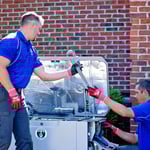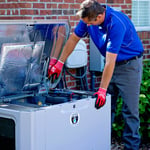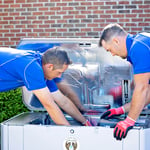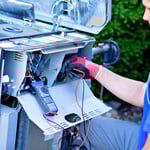


Top-rated generator install pros.

Get matched with top generator install pros in Higden, AR

Enter your zip and get matched with up to 5 pros

Need a pro for your generator install project in Higden, AR?

Select your specific project to find the pro for you.

Find Generator install pros in Higden

Avatar for Ozark Electric AR
Ozark Electric AR
5.0(
31
)
Fixed Generator - InstallPortable Generator - Install

Serving Higden, AR and surrounding areas

Approved

Super Service Award Winner

In business since 2024

Emergency services offered

Warranties offered

"Great work. When Steve noticed the job was more complicated than expected, he did the extra work for the original price. Also installed an extra switch and light at no extra cost. The work looks great. I will definitely call Ozark Electric for any electrical work in the future."
Additional Photos
Additional Photos
Additional Photos
Additional Photos
Additional Photos

+15

22 neighbors recently requested a quote
Recommended by58%of homeowners
Avatar for RK Electric
RK Electric
5.0(
4
)
Fixed Generator - InstallFixed Generator - RepairGenerator - Install - For Business+2 more

Serving Higden, AR and surrounding areas

In business since 2025

Free estimates

Offers commercial services

"RK Electric did an outstanding job on our main breaker for our chicken farm — the work was done efficiently, professionally, and in a very timely manner. We were so impressed with the quality and reliability that we’ve now hired him for our new home as well. He’s full of great suggestions, very knowledgeable, and always helpful throughout the process. Overall, an excellent experience from start to finish! ⭐️⭐️⭐️⭐️⭐️ We’ll definitely be using RK Electric for all of our electrical needs from now on."
Blackrock generator
Blackrock generator
Before repair
Before repair
New panel

+2

Response time8 hrs
Response rate100%
Showing 1-10 of 18
Generator Install questions, answered by experts

It is safe to run a generator continuously, but you must follow safety protocols to ensure personal and home safety. Read the manufacturer’s instructions for specific recommendations, but the general recommendation is to turn generators off overnight or when you’re away from the house. Overworked generators can pose a fire hazard and if your generator is not in a well-ventilated area, running it continuously could lead to carbon monoxide poisoning.

To determine the right size generator for your house, you should calculate the total wattage of the appliances and devices you want to power during an outage. List all essential items, note their start-up wattages, and add them together.

Here are some typical wattage requirements for common appliances:

  • Refrigerator: 600 watts

  • Large dehumidifier: 700 watts

  • Large window air conditioner: 1,400 watts

  • Water heater: 3,000 to 4,500 watts

  • Electric furnace: 5,000 to 25,000 watts

A 7,500-watt generator might be sufficient for essentials like a refrigerator, freezer, well pump, and lighting circuits. However, for high-demand items like a water heater or furnace, a whole-home generator is a better choice. A portable generator may be enough if you only need to power a few critical items.

While home square footage can offer a rough estimate, it is not always a reliable indicator. For reference, here are some typical generator sizes based on square footage:

  • 1,000 sq ft: 6–9 kW

  • 1,500 sq ft: 7–10 kW

  • 2,000 sq ft: 10–14 kW

  • 2,500 sq ft: 12–16 kW

  • 3,000 sq ft: 16–20 kW+

For the most accurate sizing, consult a professional who can calculate your home's peak and average power consumption and recommend the optimal generator.

Setting up utilities on a vacant property usually takes at least a few months, or between 6 weeks to 16 weeks. This process requires working with the local planning and zoning department, hiring a building contractor or engineer to design the utility layout, securing permits, laying the lines, and connecting the utilities.

It’s usually better to repair your generator if it isn’t working properly, as it will typically be much more affordable and should yield similar results. Generator repairs cost around $300 on average, while installing a new whole-house generator costs around $5,000 on average. The only exception is if you know your generator is reaching the end of its useful life, usually between 30 and 40 years. If you have an older generator, you could face multiple repairs in the coming years, which might mean that a full replacement will be more cost-effective over time.

The average cost to install a home generator is $5,200, but total costs can range from $500 to $18,000 or more. The final price depends on several factors, including the generator's size, type, brand, fuel source, and the cost of labor and assembly. The generator's size is the most significant cost factor, as units that can power larger homes with higher energy demands cost more.

Cost breakdowns by generator type are typically as follows:

  • Portable or Emergency Backup Generators (1kW–7.5kW): $500–$2,000

  • Partial-Home Generators (9kW–20kW): $2,000–$6,500

  • Whole-House Generators (22kW–48kW): $5,000–$18,000

To ensure you get the right size unit for your needs without overpaying, consider hiring an electrician to calculate the electrical load of your essential appliances. It is also recommended to get at least three quotes from qualified installers to find the best fit for your budget.

The Higden, AR homeowners’ guide to generator installs

From average costs to expert advice, get all the answers you need to get your job done.