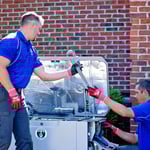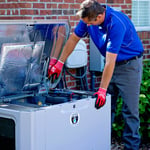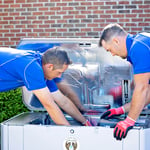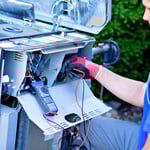


Top-rated generator install pros.

Get matched with top generator install pros in Drasco, AR

Enter your zip and get matched with up to 5 pros

Need a pro for your generator install project in Drasco, AR?

Select your specific project to find the pro for you.

Find Generator install pros in Drasco

Avatar for Ozark Electric AR
Ozark Electric AR
5.0(
31
)

Serving Drasco, AR and surrounding areas

Approved

Super Service Award Winner

In business since 2024

Emergency services offered

Warranties offered

"I would highly recommend Steve from Ozark electric, and he is very reliable and professional, he is very helpful, and reasonably priced. I would to say he has done two jobs for me and both jobs were done very well and they were done above my expectations. In the future i will be hiring him again to do electrical works for me. Give him a five star 5 rating."
Additional Photos
Additional Photos
Additional Photos
Additional Photos
Additional Photos

+15

6 neighbors recently requested a quote
Recommended by58%of homeowners
Avatar for RK Electric
RK Electric
5.0(
4
)

Serving Drasco, AR and surrounding areas

In business since 2025

Free estimates

Offers commercial services

"RK Electric did an outstanding job on our main breaker for our chicken farm — the work was done efficiently, professionally, and in a very timely manner. We were so impressed with the quality and reliability that we’ve now hired him for our new home as well. He’s full of great suggestions, very knowledgeable, and always helpful throughout the process. Overall, an excellent experience from start to finish! ⭐️⭐️⭐️⭐️⭐️ We’ll definitely be using RK Electric for all of our electrical needs from now on."
Blackrock generator
Blackrock generator
Before repair
Before repair
New panel

+2

Response time8 hrs
Showing 1-10 of 15
Generator Install questions, answered by experts

Whole-house generators need to be installed on level ground several feet away from walls and other objects. Because they tap into the electrical system directly, they usually need to be close to your home electrical panel for a transfer switch installation. It also helps with installation if they are near to a gas line or propane tank installation.

Homeowners can often access federal tax credits, such as the Investment Tax Credit (ITC), which covers a percentage of installation costs. Many states and utilities offer additional rebates, grants, or performance-based incentives. These programs can significantly lower your upfront investment. Check the Database of State Incentives for Renewables and Efficiency (DSIRE) or contact your local energy office for current offers.

Generators are safe to use as long as they are installed and operated correctly according to the manufacturer's recommendations. The most critical safety tips are to never use a portable or fuel-powered generator inside an enclosed space due to the risk of lethal carbon monoxide poisoning; always operate it outdoors where fumes can dissipate away from your home. Additionally, never attempt to connect a generator to your home’s electrical panel yourself—hire a professional to ensure the setup meets safety standards. Finally, avoid overloading the generator by not connecting more appliances than it is rated for, as this can damage your equipment or cause a fire.

To determine the right size generator for your house, you should calculate the total wattage of the appliances and devices you want to power during an outage. List all essential items, note their start-up wattages, and add them together.

Here are some typical wattage requirements for common appliances:

  • Refrigerator: 600 watts

  • Large dehumidifier: 700 watts

  • Large window air conditioner: 1,400 watts

  • Water heater: 3,000 to 4,500 watts

  • Electric furnace: 5,000 to 25,000 watts

A 7,500-watt generator might be sufficient for essentials like a refrigerator, freezer, well pump, and lighting circuits. However, for high-demand items like a water heater or furnace, a whole-home generator is a better choice. A portable generator may be enough if you only need to power a few critical items.

While home square footage can offer a rough estimate, it is not always a reliable indicator. For reference, here are some typical generator sizes based on square footage:

  • 1,000 sq ft: 6–9 kW

  • 1,500 sq ft: 7–10 kW

  • 2,000 sq ft: 10–14 kW

  • 2,500 sq ft: 12–16 kW

  • 3,000 sq ft: 16–20 kW+

For the most accurate sizing, consult a professional who can calculate your home's peak and average power consumption and recommend the optimal generator.

Here’s what you can run with different wattages and types of generators:

Portable generator:

  • 2,000 watts can handle a large appliance like a freezer or refrigerator, plus a few smaller items like phones or computer chargers. 

  • 4,000 watts will keep two large appliances operating and a few smaller devices.

  • 8,000 watts should power most essential appliances and other devices, including a sump pump, well pump, or your dishwasher.

Partial to whole-house generator:

  • 20,000 watts and above will make it seem like your home’s power is still on.

The Drasco, AR homeowners’ guide to generator installs

From average costs to expert advice, get all the answers you need to get your job done.