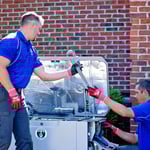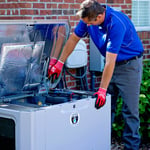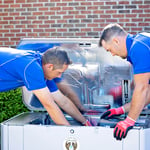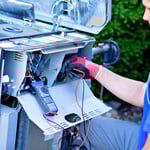






Top-rated generator install pros.

Get matched with top generator install pros in Mccrory, AR

Enter your zip and get matched with up to 5 pros

Need a pro for your generator install project in Mccrory, AR?

Select your specific project to find the pro for you.

Find Generator install pros in Mccrory

Justin tharp
New to Angi
Fixed Generator - InstallPortable Generator - Install

Serving Mccrory, AR and surrounding areas

As a master electrician based in Arkansas with over 20 years of hands-on experience, I take pride in delivering high-quality electrical work you can trust. My background spans both residential and commercial projects, giving me the knowledge and skill to handle everything from simple repairs to complex installations. I’m committed to safety, reliability, and doing the job right the first time, while maintaining clear communication and professionalism with every customer. Whether you need upgrades, troubleshooting, or new construction wiring, I bring dependable expertise and a strong work ethic to every project.

Gray's Electric
3.8(
9
)
Fixed Generator - InstallPortable Generator - Install

Serving Mccrory, AR and surrounding areas

In business since 2012

Free estimates

Emergency services offered

At Gray�s Electric, we are locally owned and operated, with over 25 years of residential electrical experience. Let us wow you with our quick, reliable and professional touch. What you see is what you get and we ensure you will be satisfied with our work. I would like you to be my next happy customer! Our reputation for listening and problem solving precedes us. We have an expert eye for detail and troubleshooting, as well as being able to work out the best solution for the client.

Recommended by100%of homeowners
Butler Electrical Services - Home Facebook
New to Angi
Fixed Generator - RepairPortable Generator - Repair

Serving Mccrory, AR and surrounding areas

In business since 2015

Free estimates

Butler Electrical Services: has a single mission: complete customer satisfaction! We have consistently focused on the needs of our customers, providing personalized attention and a stress-free experience. You will find us to be competitively priced with close attention to the details. Our reputation is based on service, safety, and quality, regardless of how large or small the job. We look forward to building a lasting relationship and guarantee your satisfaction!

Generator Install questions, answered by experts

To determine the right size generator for your house, you should calculate the total wattage of the appliances and devices you want to power during an outage. List all essential items, note their start-up wattages, and add them together.

Here are some typical wattage requirements for common appliances:

  • Refrigerator: 600 watts

  • Large dehumidifier: 700 watts

  • Large window air conditioner: 1,400 watts

  • Water heater: 3,000 to 4,500 watts

  • Electric furnace: 5,000 to 25,000 watts

A 7,500-watt generator might be sufficient for essentials like a refrigerator, freezer, well pump, and lighting circuits. However, for high-demand items like a water heater or furnace, a whole-home generator is a better choice. A portable generator may be enough if you only need to power a few critical items.

While home square footage can offer a rough estimate, it is not always a reliable indicator. For reference, here are some typical generator sizes based on square footage:

  • 1,000 sq ft: 6–9 kW

  • 1,500 sq ft: 7–10 kW

  • 2,000 sq ft: 10–14 kW

  • 2,500 sq ft: 12–16 kW

  • 3,000 sq ft: 16–20 kW+

For the most accurate sizing, consult a professional who can calculate your home's peak and average power consumption and recommend the optimal generator.

Generators are safe to use as long as they are installed and operated correctly according to the manufacturer's recommendations. The most critical safety tips are to never use a portable or fuel-powered generator inside an enclosed space due to the risk of lethal carbon monoxide poisoning; always operate it outdoors where fumes can dissipate away from your home. Additionally, never attempt to connect a generator to your home’s electrical panel yourself—hire a professional to ensure the setup meets safety standards. Finally, avoid overloading the generator by not connecting more appliances than it is rated for, as this can damage your equipment or cause a fire.

Most homeowners won't be able to claim a home generator as a tax write-off. However, a whole-house generator may be tax-deductible in certain situations depending on its purpose. For instance, if it's needed to power essential medical equipment, it may qualify as a medical expense deduction. Also, in some cases, businesses can deduct a generator as a business expense if it supports operations. Always consult a tax professional to determine eligibility based on your specific circumstances and the applicable IRS regulations.

If you’re wondering whether gas generators produce carbon monoxide, know that natural gas generators do not produce carbon monoxide if they are functioning properly, as natural gas burns cleanly. However, if the generator malfunctions and the gas does not burn completely, there is potential for carbon dioxide to be produced. To prevent malfunctions, it's crucial to perform regular maintenance, including running the generator weekly and scheduling professional inspections every 6 to 12 months. Also, be sure to test your carbon monoxide detectors regularly to ensure they function in the rare case of the generator producing carbon monoxide.

You can expect a diesel generator to last for up to 30,000 hours of use, which works out to 20 to 25 years with the proper maintenance, of course. That depends on how much you use it, so a diesel generator used for emergencies a couple of times a year will last a lot longer than a generator that takes over for a faulty electrical grid every month for a day or two. 

The Mccrory, AR homeowners’ guide to generator installs

From average costs to expert advice, get all the answers you need to get your job done.