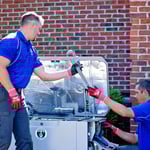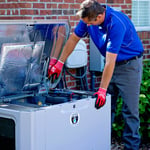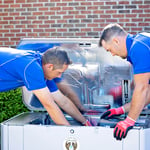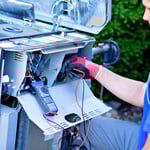




Top-rated generator install pros.

Get matched with top generator install pros in Tuckerman, AR

Enter your zip and get matched with up to 5 pros

Need a pro for your generator install project in Tuckerman, AR?

Select your specific project to find the pro for you.

Find Generator install pros in Tuckerman

Wicker Electric, LLC
New to Angi

Serving Tuckerman, AR and surrounding areas

In business since 2018

Free estimates

Credit card accepted

Welcome to Wicker Electric, LLC!\n\nOwner and operator, Jarrod, takes great pride in his professionalism and customer satisfaction. Jarrod and his team are the experts you need to take care of your home! With over 9 years of experience, we can handle any project you want with promptness and professionalism. We will always treat your home as we would our own, and will make you our top priority. Give Wicker Electric, LLC a call today! You won't be disappointed.\n

Justin tharp
New to Angi

Serving Tuckerman, AR and surrounding areas

As a master electrician based in Arkansas with over 20 years of hands-on experience, I take pride in delivering high-quality electrical work you can trust. My background spans both residential and commercial projects, giving me the knowledge and skill to handle everything from simple repairs to complex installations. I’m committed to safety, reliability, and doing the job right the first time, while maintaining clear communication and professionalism with every customer. Whether you need upgrades, troubleshooting, or new construction wiring, I bring dependable expertise and a strong work ethic to every project.

Butler Electrical Services - Home Facebook
New to Angi

Serving Tuckerman, AR and surrounding areas

In business since 2015

Free estimates

Butler Electrical Services: has a single mission: complete customer satisfaction! We have consistently focused on the needs of our customers, providing personalized attention and a stress-free experience. You will find us to be competitively priced with close attention to the details. Our reputation is based on service, safety, and quality, regardless of how large or small the job. We look forward to building a lasting relationship and guarantee your satisfaction!

Generator Install questions, answered by experts

Potential benefits of using a natural gas generator include reducing your carbon footprint, lower likelihood of carbon monoxide exposure, budget-friendly operating costs, and low-maintenance, continuous fuel supply. Some possible drawbacks, though, include higher initial installation costs, dependency on a natural gas supply, and installation complexity. Keep in mind that pros and cons will vary based on the type and brand of natural gas generator. 

Generators are safe to use as long as they are installed and operated correctly according to the manufacturer's recommendations. The most critical safety tips are to never use a portable or fuel-powered generator inside an enclosed space due to the risk of lethal carbon monoxide poisoning; always operate it outdoors where fumes can dissipate away from your home. Additionally, never attempt to connect a generator to your home’s electrical panel yourself—hire a professional to ensure the setup meets safety standards. Finally, avoid overloading the generator by not connecting more appliances than it is rated for, as this can damage your equipment or cause a fire.

DIY is possible for basic setups. Professional installation ensures safe and proper electrical connections.

To power a central air system during a power outage, the whole-house generator will need to be at least 5,000 watts, and this number will significantly increase for larger units. Check the specific wattage requirements of your AC unit to choose the right generator size. Consider consulting a generator installer to ensure your whole-house generator meets your electrical load needs.

To determine the right size generator for your house, you should calculate the total wattage of the appliances and devices you want to power during an outage. List all essential items, note their start-up wattages, and add them together.

Here are some typical wattage requirements for common appliances:

  • Refrigerator: 600 watts

  • Large dehumidifier: 700 watts

  • Large window air conditioner: 1,400 watts

  • Water heater: 3,000 to 4,500 watts

  • Electric furnace: 5,000 to 25,000 watts

A 7,500-watt generator might be sufficient for essentials like a refrigerator, freezer, well pump, and lighting circuits. However, for high-demand items like a water heater or furnace, a whole-home generator is a better choice. A portable generator may be enough if you only need to power a few critical items.

While home square footage can offer a rough estimate, it is not always a reliable indicator. For reference, here are some typical generator sizes based on square footage:

  • 1,000 sq ft: 6–9 kW

  • 1,500 sq ft: 7–10 kW

  • 2,000 sq ft: 10–14 kW

  • 2,500 sq ft: 12–16 kW

  • 3,000 sq ft: 16–20 kW+

For the most accurate sizing, consult a professional who can calculate your home's peak and average power consumption and recommend the optimal generator.

The Tuckerman, AR homeowners’ guide to generator installs

From average costs to expert advice, get all the answers you need to get your job done.