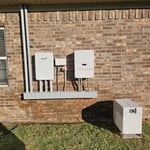
As a master electrician based in Arkansas with over 20 years of hands-on experience, I take pride in delivering high-quality electrical work you can trust. My background spans both residential and commercial projects, giving me the knowledge and skill to handle everything from simple repairs to complex installations. I’m committed to safety, reliability, and doing the job right the first time, while maintaining clear communication and professionalism with every customer. Whether you need upgrades, troubleshooting, or new construction wiring, I bring dependable expertise and a strong work ethic to every project.
We are Omega! We are here to help you rather you have been left behind by a solar company, need lighting installation, or any electrical project you might need for your home. We look forward to helping you with whatever electrical service you need!
Our company invites you to experience prompt service and superior attention to detail. Our customer satisfaction is our top priority. We will earn your trust for a lifetime. We believe in making all clients repeat clients. You can be assured you're in good hands with our company working on your home improvement project. If you are looking for a contractor that follows business practices such as promptly returning phone calls, arriving on time for appointments and following through on promises then call our reputable company today We will be the one and only contractor you'll ever need. Call us today you'll be pleased you did. Thank you
Mustang Electric is committed to excellence in every aspect of our business. We uphold a standard of integrity bound by fairness, honesty, and personal responsibility. Our distinction is the quality of service we bring to our customers. Accurate knowledge of our trade combined with ability is what makes us true professionals. Above all, we are watchful of our customers' interests, and make their concerns the basis of our business.
Natural gas and electricity rates vary significantly based on location, and pricing can change over time, too. It’s possible that in locations where natural gas is particularly inexpensive, it will cost less than grid-based electricity will. However, you should also factor in the generator’s initial costs and maintenance needs, as well as its noise level and if it can comfortably power all your home appliances.
Generators are usually sized by running watts and starting watts. Ideally, you’ll want a generator that can offer both the necessary running watts and starting watts for everything you need to power without going beyond 90% of its capacity. Calculate your home’s electrical load based on the breakers in your home or adding up the appliance and lighting needs of connected rooms.
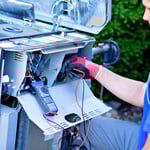
If you’re wondering whether gas generators produce carbon monoxide, know that natural gas generators do not produce carbon monoxide if they are functioning properly, as natural gas burns cleanly. However, if the generator malfunctions and the gas does not burn completely, there is potential for carbon dioxide to be produced. To prevent malfunctions, it's crucial to perform regular maintenance, including running the generator weekly and scheduling professional inspections every 6 to 12 months. Also, be sure to test your carbon monoxide detectors regularly to ensure they function in the rare case of the generator producing carbon monoxide.
A portable generator can supply power to selected appliances and circuits in a home, but it's generally not designed to handle the entire household's electrical needs simultaneously. Portable generators have limited wattage capacity, so they are only designed to power essential devices and electronics temporarily until local power is restored. If your power needs outweigh the capabilities of a portable generator, consider installing a whole-home generator instead.
It’s usually better to repair your generator if it isn’t working properly, as it will typically be much more affordable and should yield similar results. Generator repairs cost around $300 on average, while installing a new whole-house generator costs around $5,000 on average. The only exception is if you know your generator is reaching the end of its useful life, usually between 30 and 40 years. If you have an older generator, you could face multiple repairs in the coming years, which might mean that a full replacement will be more cost-effective over time.
The Southside, AR homeowners’ guide to generator installs
From average costs to expert advice, get all the answers you need to get your job done.
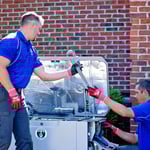
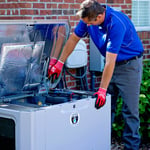
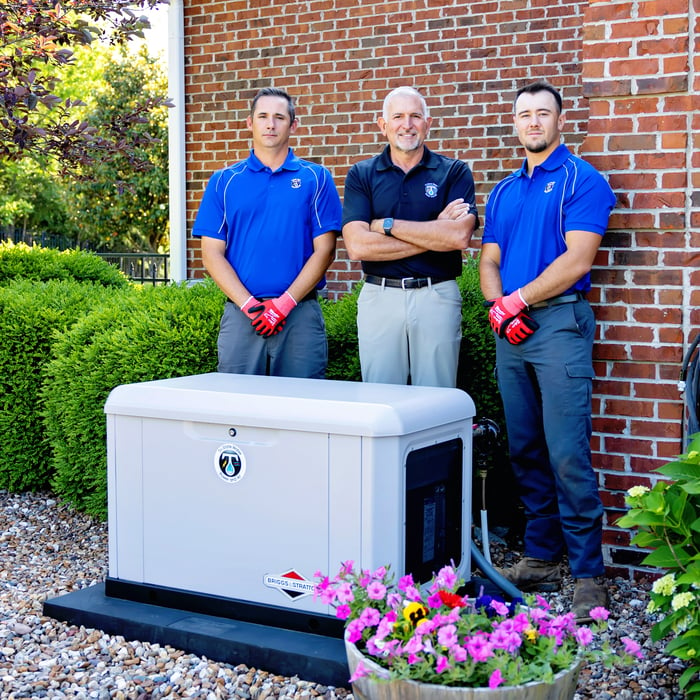
Natural gas generators are whole-home standby generators that are connected to your home’s natural gas line. The average cost for a natural gas generator is $12,000.
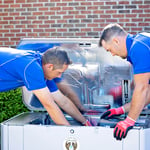
Generators should give you peace of mind, but you’ll only get that if your installer knows what they’re doing. Learn how to hire a pro and what red flags to look for.
Thinking about a generator installation? Learn about backup power options, costs to expect, and how to hire the right local pro to keep your home running.