


Top-rated water softener pros.

Best water softener pros near Cottondale, AL

Enter your zip and get matched with up to 5 pros

Need a pro for your water softener service project in Cottondale, AL?

Select your specific project to find the pro for you.

Top-Rated Water softener pros in Cottondale - Updated Nov 2026

Avatar for Benjamin Franklin Plumbing
Benjamin Franklin Plumbing
4.0(
96
)
Water Treatment & Purification System - Install or ReplaceWater Treatment & Purification System - Repair or Service

Serving Cottondale, AL and surrounding areas

Emergency services offered

Warranties offered

Credit card accepted

"We thought we had a clogged drain after water backed up in our kitchen sink and flooded the cupboard below. Josh of Ben Franklin Plumbing diagnosed the problem as a routing issue between the dishwasher drain hose and the garbage disposal, and told me how to fix it. He only charged for the service call. He could have gone ahead and cleared the drain between the house and street, and charged us for it, but instead he took the time to diagnose the real problem. The part was less than $2 and took 5 minutes to repair myself. We're very satisfied and will definitely use Ben Franklin Plumbing again."
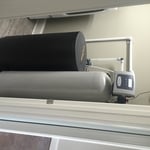
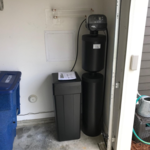
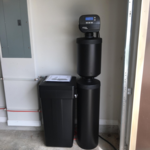
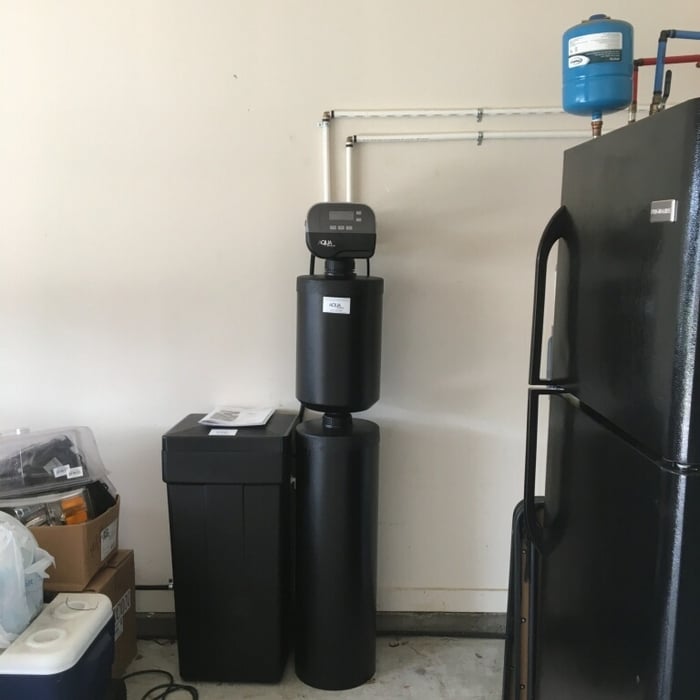
Additional Photos
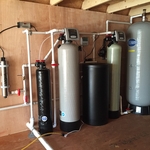
Additional Photos
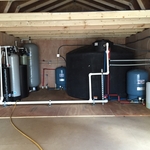
Additional Photos
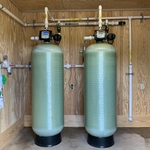
Additional Photos
Additional Photos

+5

Recommended by78%of homeowners
Showing 1-10 of 31
Water Softeners FAQs, answered by experts

Replacing a water softener costs $200 to $6,000, depending on the capacity of the water softener, the type of water softener, and the amount of people living in your home. An ion exchange water softener is the most common type and costs $500 to $3,000. Water distillers, which cost $1,200 to $4,000, and dual-tank models, which cost $1,000 to $5,000, are definitely pricey, but they offer more filtration or capacity, respectively.

Yes, a water softener can remove scale deposits. According to the U.S. Department of Energy, after you add a water softener to your home, “gradually the softer water will dissolve limescale scale deposits and remove the problem entirely.” Installing a water softener—or water descaler—will also help prevent new scale deposits from forming.

No, hard water isn’t dangerous. The added calcium in hard water can contribute to good bone health. However, it can also cause dry skin and hair. If you have dry skin or hair, consider using a water-softening system to help minimize the minerals in your water. Plus, these systems can also add some sodium to your diet. 

Hard water isn’t necessarily bad for you. In some ways, it’s good for you. If you’re deficient in magnesium or calcium, hard water can give you a mineral boost that you wouldn’t get with soft water. However, this is where the benefits of hard water pretty much stop. Hard water can cause many minor inconveniences and lead to costly, premature replacements of your water-using appliances.

The primary difference between a water softener and a water filter lies in what they remove from the water. A water softener is designed to remove hard minerals like calcium and magnesium. In contrast, a water filter has a broader effect, removing various contaminants above a certain size, which can include bacteria and other impurities.

To decide which you need, consider your goal. If you want to eliminate hard minerals, choose a softener. If you want to remove a wide range of contaminants, a filter is the better option. Filters are also generally less expensive to install. Depending on your water supply, you may need to install both for comprehensive treatment.

The Cottondale, AL homeowners’ guide to water softener services

From average costs to expert advice, get all the answers you need to get your job done.