"The technician that came out was professional and courteous at all times. Didn' waste any time getting to work on figuring out what was wrong and then fixing it. Which turned out to simply be a build up in the gas line before at the burner that was blocking the gas flow. Everything was all done within the first half hour that they bill for. Technician also advised of other issues with the water heater but did not pressure me at all on having to complete the work immediately. "
While you have some flexibility in the types of wood you can use in your outdoor furnace, it's important to make wise choices for optimal performance and efficiency. Hardwoods, such as oak, maple, and cherry, are generally recommended for their higher energy content and cleaner burn. These hardwoods produce more heat per volume and tend to produce fewer creosote deposits, which can accumulate and cause a chimney fire, according to the U.S. Environmental Protection Agency.
The time it takes for creosote to build up in a chimney can vary depending on how often you use your fireplace and the wood you burn. Creosote can start accumulating after just a few fires, especially if you burn unseasoned wood or allow fires to smolder. Regularly using the fireplace without proper maintenance can lead to significant creosote buildup within a few months. To prevent hazardous buildup, have your chimney inspected and cleaned at least once a year.
When done correctly by a professional, chimney repointing can last for several decades—often 30 years or more. This maintenance is crucial for keeping the chimney structure sound, improving its waterproofing, and preventing more significant and costly repairs, such as a partial or complete rebuild. It is recommended to schedule an annual inspection to catch any potential issues early. If you notice the chimney's brickwork looks worn out or crumbly, you should hire a professional to inspect it.
This happens when condensation forms due to your room temperature being lower than its dew point. You can clean the glass with a combination of baking soda, vinegar, and warm water to wipe away the fog from the doors.
Signs that your chimney may need to be replaced include visible damage like cracks in the structure, bricks, or mortar, as well as crumbling or flaking mortar and loose bricks. Leaks, dampness, discoloration, and efflorescence (a white, stain-like substance on the bricks) are also key indicators of water damage, which can compromise the chimney's safety. Addressing these problems is essential, as a chimney in this condition may be at risk of collapsing and causing major damage to your home. A full replacement costs about $10,000 on average, but can range from $3,100 to $15,400.
The Sand Point, AK homeowners’ guide to fireplace services
From average costs to expert advice, get all the answers you need to get your job done.
Bioethanol fireplaces are a chimney- and vent-free way to enjoy a real-flame fire in your home. Keep reading to find out how much ethanol fireplaces cost.
The average fireplace installation cost is $2,438, but prices vary depending on the type and size of the fireplace. Calculate your costs with our guide.
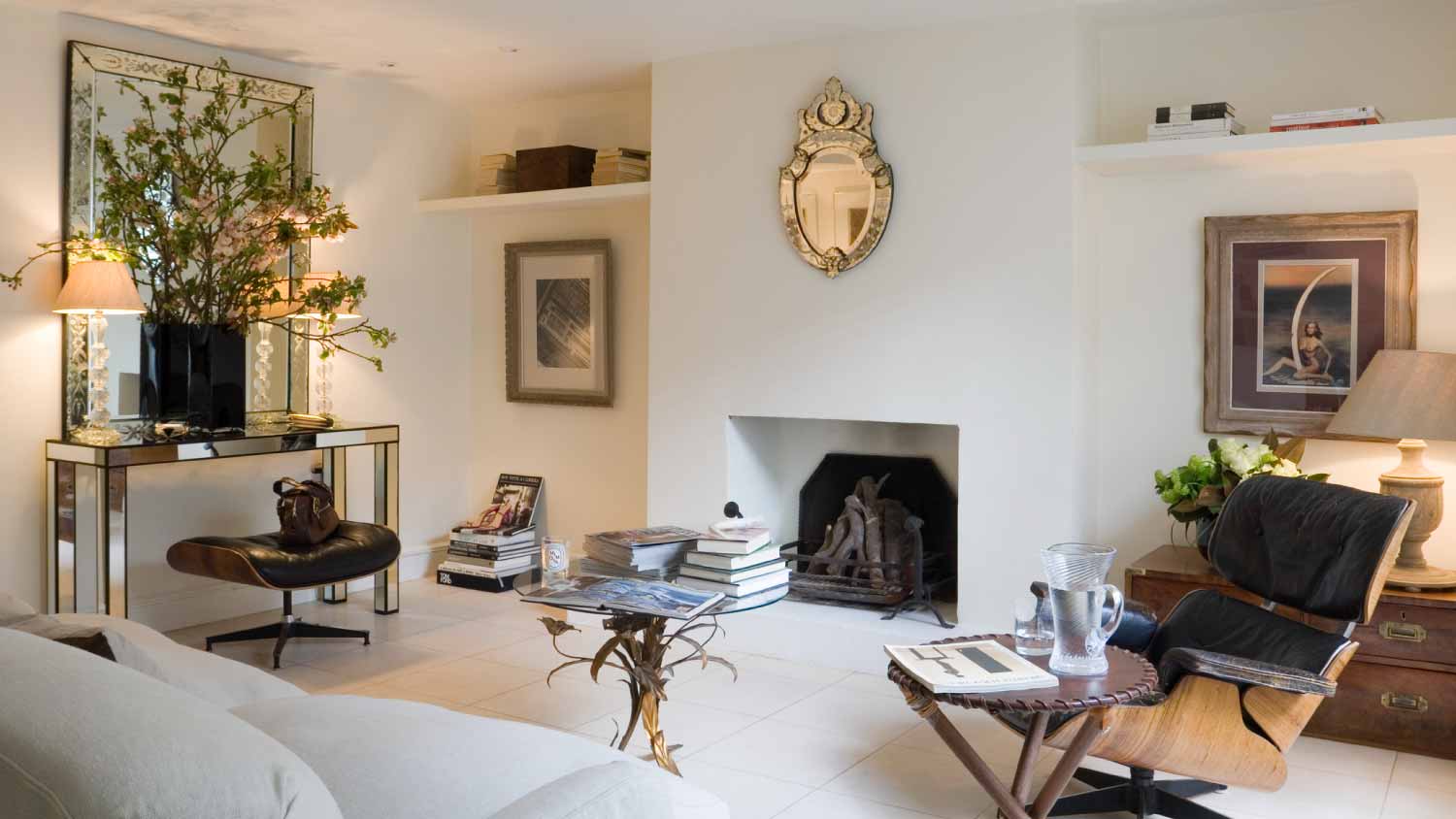
Did you know fireplaces are a profitable home feature? From cozy indoor retreats to trendy outdoor designs, these fireplace ideas are sure to inspire you.
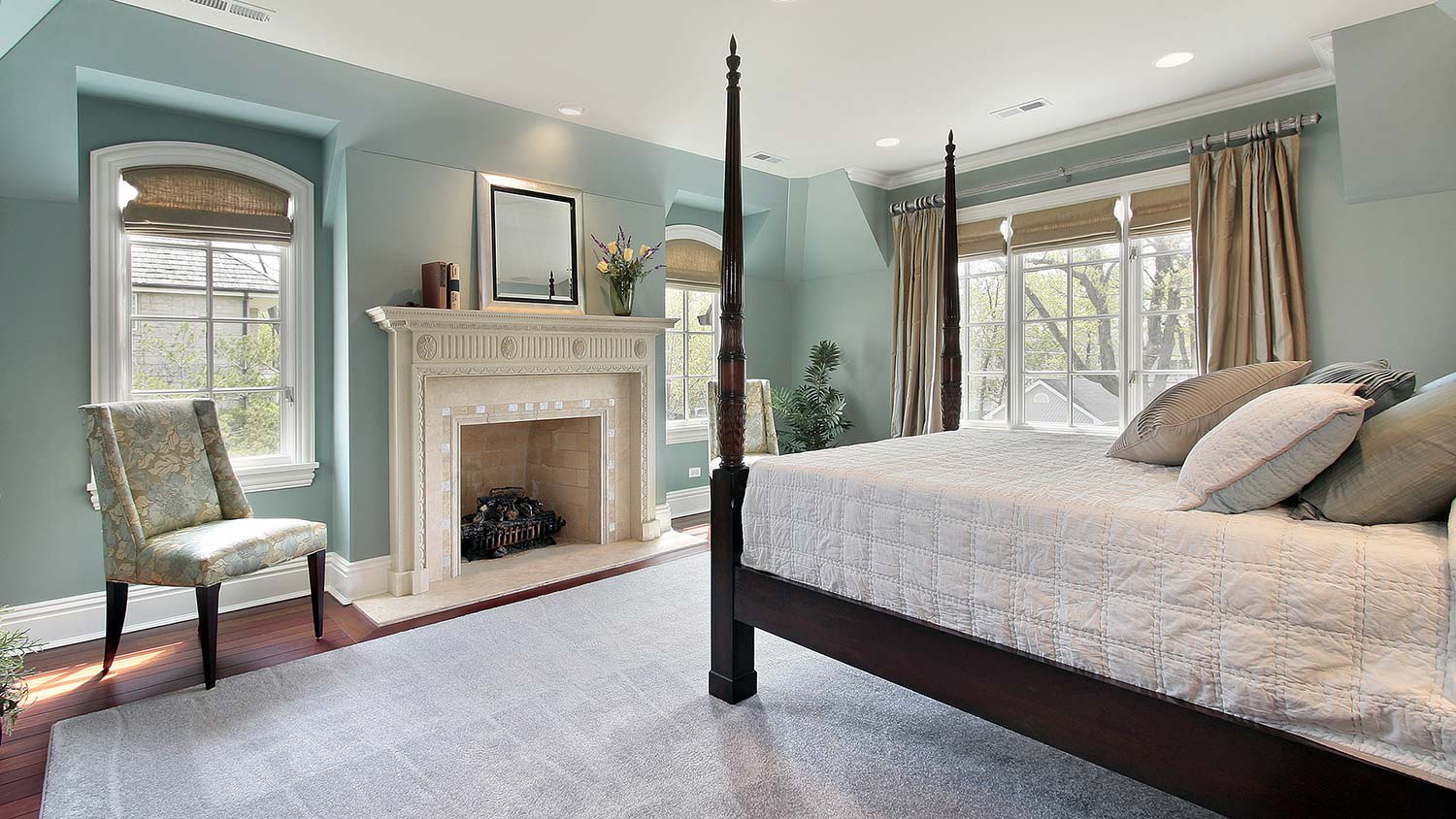
With a few easy decorating tips, you can make your bedroom fireplace the stylish focal point of your room. Up the cozy aesthetic of your bedroom with these 12 ideas.