Flooring Installation questions, answered by experts
No, it isn’t less expensive to install carpet compared to vinyl floors. The cost of installing carpet can range between $3 and $11 per square foot, so it falls just over the cost of installing vinyl flooring, at an average of $3 to $7 per square foot. High-quality carpeting can also range much higher, even up to $20 per square foot.
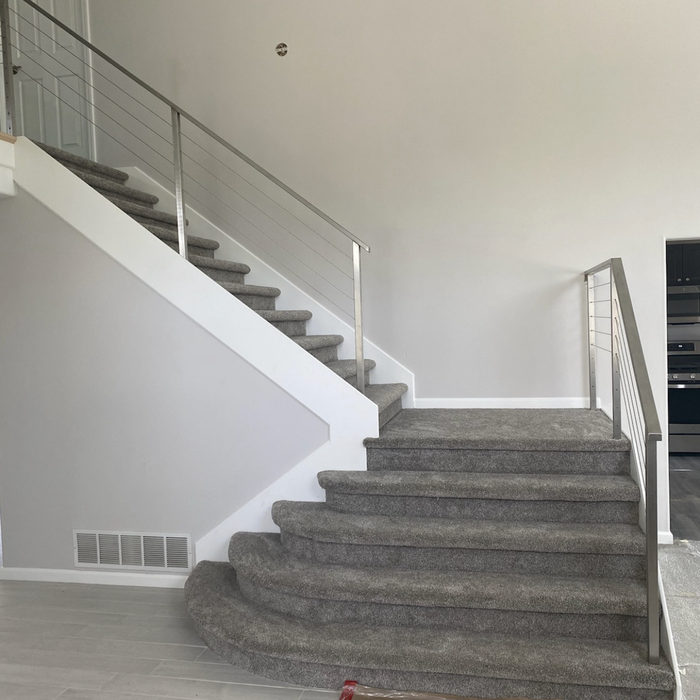
Yes, there are plenty of ways to lay stair carpet without grippers, such as carpet adhesive, magnetic flooring, or staples. Adhesive may be your best bet if you don’t want grippers, as it will most likely stick the best and cause the least amount of damage. However, if you’re looking for an easy fix, grippers are one of the best solutions you can purchase.
If you’re using a carpet runner instead of a traditional carpet, pay attention to your width measurements. Instead of measuring the total width of your staircase with 2 added inches for foldover, simply measure the width you’d like the runner to cover. Runners generally come in standard sizes, so you may need to approximate what would look best in your space.
Dry rot or severe water damage may warrant a replacement, but you don’t always need to replace damaged subflooring. If your subfloor has warped because it was installed incorrectly, you can sometimes shim the panels (in other words, add a thin, wedge-shaped piece of wood to level the surface). If your subfloor bows upward, you may be able to sand it down at the joist so it’s level, depending on the extent of the damage.
Berber is the most expensive type of carpet, followed by textured carpet. Berber costs $3 to $20 per square foot, and textured carpet ranges from $1 to $12 per square foot. Berber features fibers arranged in short, thick loops, making it extraordinarily durable. The most expensive carpet material is wool, followed by acrylic, Triexta, and cotton. Wool costs $4 to $20 per square foot and is a beautiful, luxurious, and durable material. Acrylic, Triexta, and cotton range from $2 to $8 per square foot.
The Sand Point, AK homeowners’ guide to flooring services
From average costs to expert advice, get all the answers you need to get your job done.
Both materials and labor determine hardwood floor installation costs. This guide breaks down all the prices you need to know before starting your new flooring project.
Looking for a qualified vinyl flooring installer? Learn how to find, vet, and hire the right pro with our complete guide to questions and qualifications.