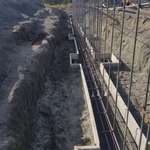
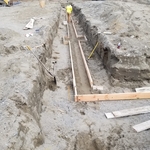
"Kent has done everything he has said he would do along with give us some improvement suggestions that would either make the project better or save us some money."
In most cases, it is safe to live in a home with minor foundation problems, but you should not let the issues persist. Virtually all foundations have small cracks from normal settlement, which are not a structural concern but should be sealed to prevent water intrusion. However, major damage—such as large structural cracks, sinking foundations, or bulging walls—can make a home unsafe. Other issues that can pose safety and health risks include poor indoor air quality from mold or pests, uneven floors, and rotten beams or joists. It is always best to have a foundation repair expert or structural engineer inspect any issues to determine if your home is safe to live in.
Mold and other fungi love moisture, so the best way to prevent mold growth after water damage is to remove as much moisture as possible. First, find the source of the water or moisture, such as a leak or clogged gutters, and correct the problem. Next, remove standing water, vacuum up puddles with a shop vacuum, and run blower fans and dehumidifiers for 24 to 72 hours. Once you've removed all traces of moisture, disinfect the area using either vinegar or bleach to kill any remaining mold spores.
While "dry" mode on your AC can help reduce humidity levels to some extent, it may not be as effective as a dedicated dehumidifier, especially in areas with extremely high humidity or larger spaces. Dehumidifiers are specifically designed to remove moisture from the air more efficiently, making them a better choice for tackling persistent humidity issues.
Yes, it is possible to over-dehumidify a house by removing too much moisture from the air. This can create an overly dry environment that negatively affects those with respiratory or skin issues, and may cause your skin, hair, and sinuses to feel dry. However, this is unlikely to happen with most modern dehumidifiers, as they are equipped with moisture sensors and adjustable settings. These features allow the unit to pause automatically when the desired humidity level is reached, preventing the air from becoming uncomfortably dry. In contrast, older or more basic dehumidifiers left running for too long could potentially over-dry the air. To avoid this, aim for a balance between removing excess moisture and maintaining a comfortable environment. You can often monitor your home's humidity levels using a modern thermostat for guidance.
Egress windows or doors are required in finished basements to meet safety and building codes. If your basement is unfinished and used as a storage space, egress windows are not required, but anything considered a habitable space must have an additional point of egress in addition to the stairs.
The Sand Point, AK homeowners’ guide to basement waterproofing services
From average costs to expert advice, get all the answers you need to get your job done.
Need to fix basement water problems or safeguard your home from damage in the future? Use this basement waterproofing cost guide to budget appropriately.
An unfinished basement has a lot of potential for a family room or guest suite. So how much does it cost to finish a basement? Read on for all cost factors.
Dealing with a damp basement? Follow these steps for DIY basement waterproofing to keep water and moisture out and boost your home’s energy efficiency.
Can’t seem to get rid of the moisture and mold in your basement? Learn why basements tend to hold moisture and how to get rid of moisture in the basement.