With years of experience serving the area, we are your solution for all your painting needs. We take great pride in our extreme professionalism, timeliness and superior customer service on every job. We make sure to develop a lasting relationship so that the next time service is needed there will be no question on who to call. Check out our 5 star reviews from happy customers. Call us today! Satisfaction guaranteed!
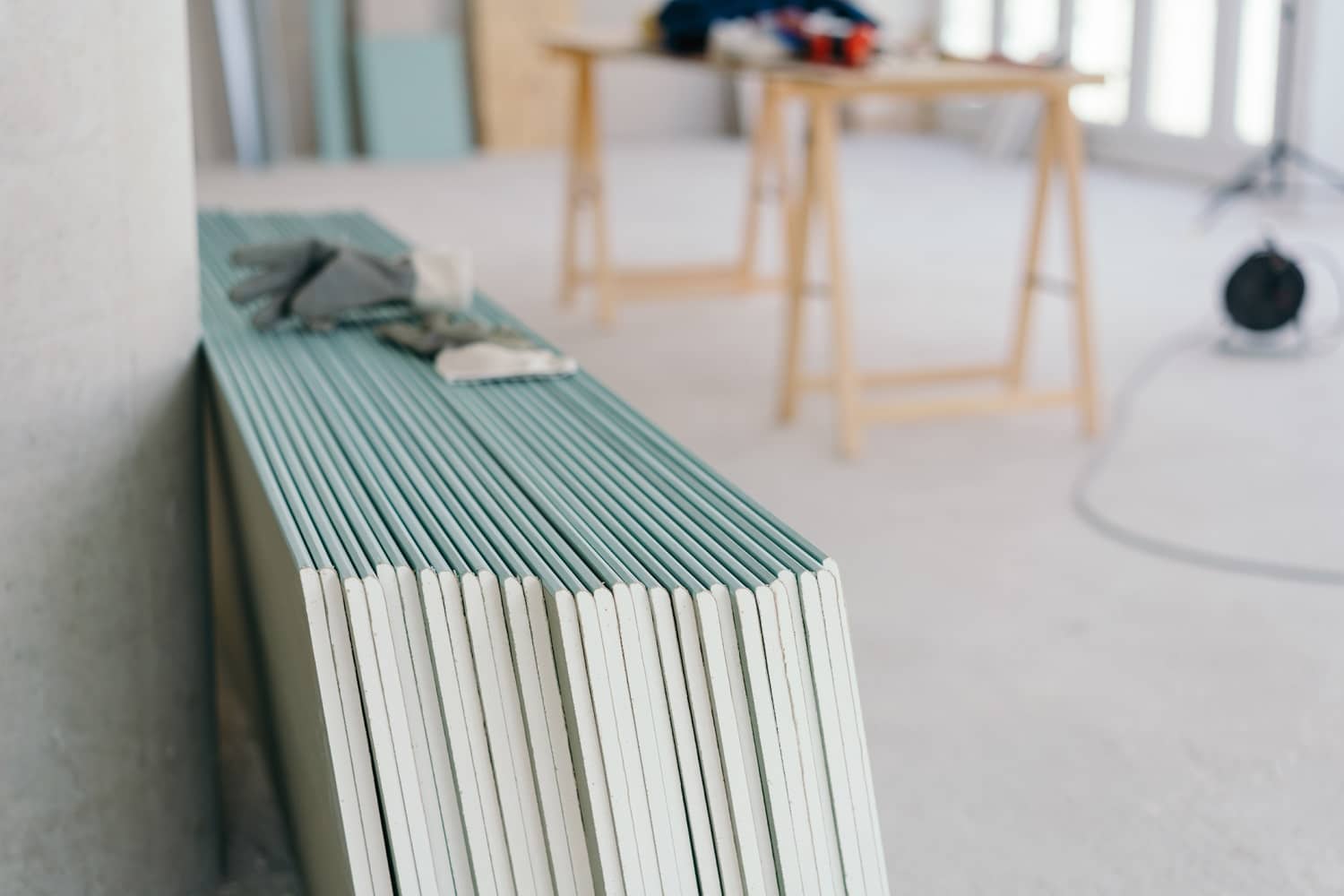
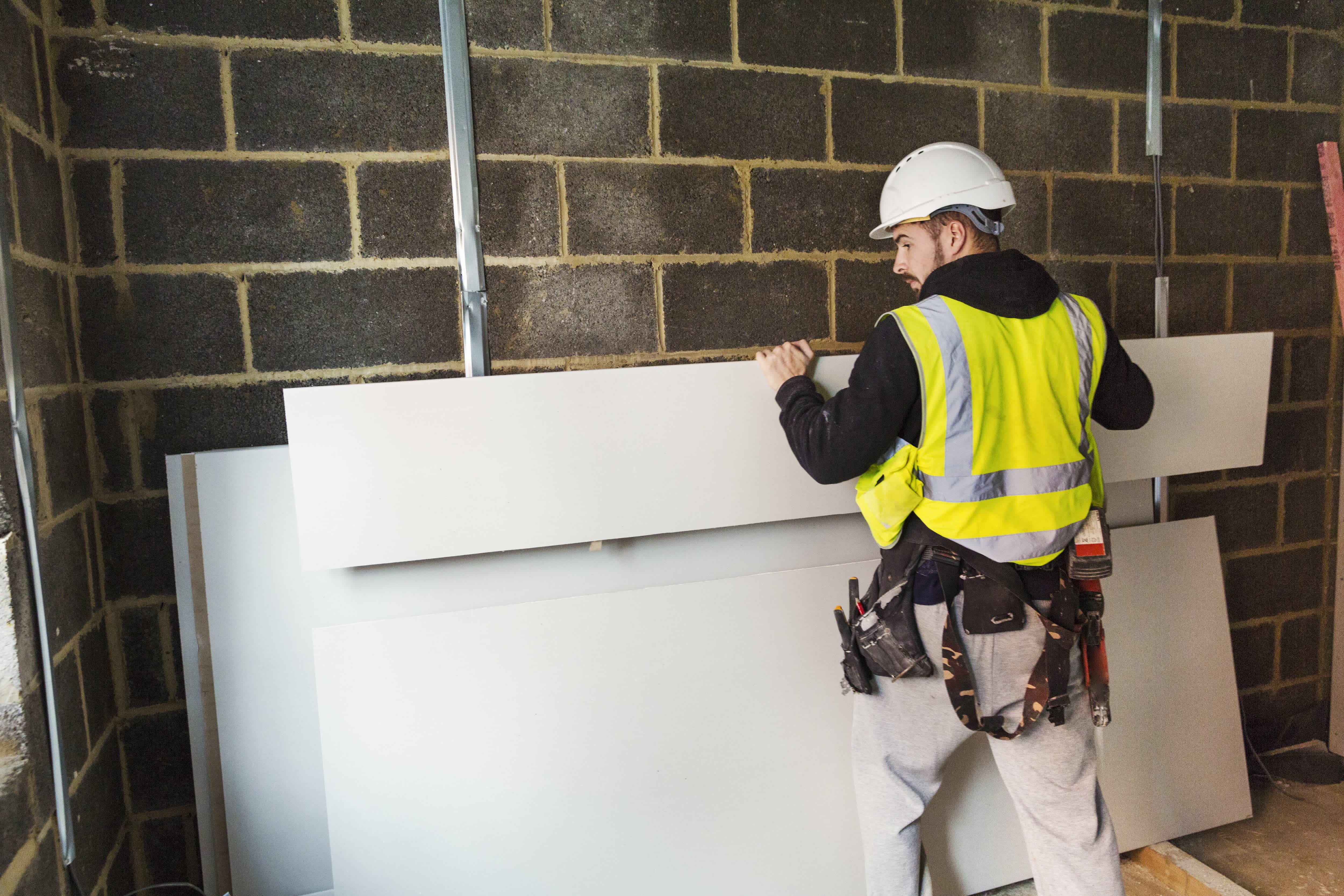
The two most common drywall thicknesses for ceilings are 1/2-inch and 5/8-inch. For most standard residential applications, 1/2-inch drywall is sufficient and widely used. It provides adequate support and is lighter and easier to handle during installation compared to thicker sheets. However, 5/8-inch drywall is often used for specific cases where additional benefits are needed. It is heavier but provides superior sound dampening and fire resistance. You should consider using 5/8-inch drywall for ceilings in commercial buildings, between a garage and a living space, or above a finished basement to meet building codes or for enhanced soundproofing.
It’s highly recommended to use studs for a TV mount. The last thing you want is to be watching your favorite show when the TV falls off the wall. Studs are much stronger than drywall and quite a bit stronger than drywall anchors but, if you can’t find the studs or there simply aren’t any where you need them, you can use drywall anchors. It’s extremely important to make sure the anchors are rated for the load of the TV. We recommend using anchors that are rated far beyond the weight of whatever you’re hanging. Our suggestion is metal drywall toggle anchors.
If you plan on heating your garage, you must install a vapor barrier when drywalling the garage. A vapor barrier protects your garage from frost and mold that can occur through condensation. If your garage is unheated, you don't need to install a vapor barrier. The only exception is if you regularly crank the heat in your car before getting in it. In this case, you may still want to install a vapor barrier, as your car can heat your garage.
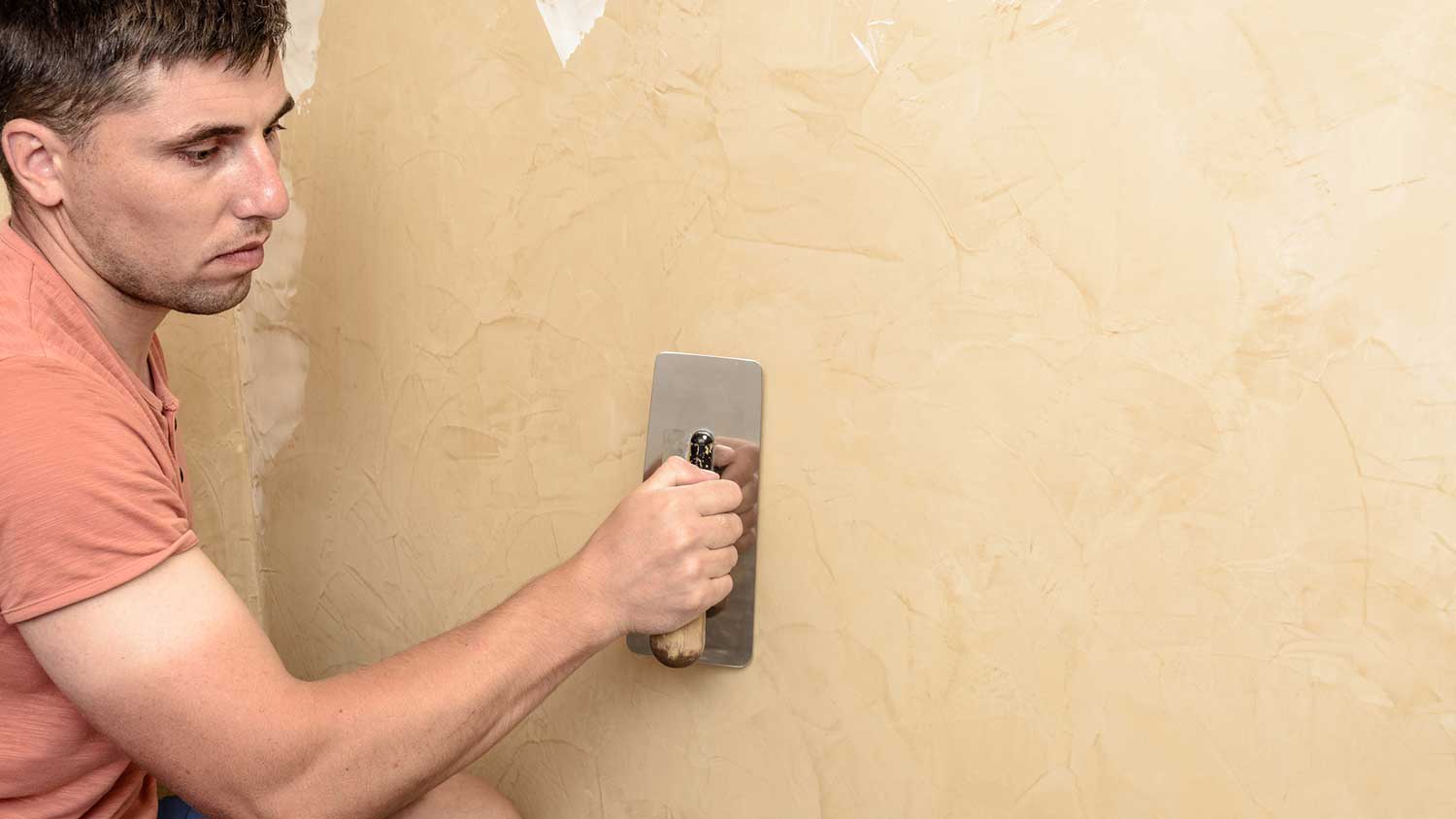
A local drywall contractor can texture your drywall for you. Drywall contractors are a better choice than general handy people because the contractors have a lot of experience working with drywall mud. The process is somewhat of an art thanks to the complexity of working with the mud, so call in a drywall pro who knows what they’re doing.
Drywall repair is typically completed within a day, depending on damage extent.
The Sand Point, AK homeowners’ guide to drywall services
From average costs to expert advice, get all the answers you need to get your job done.
Drywall texture can create an attractive finish and add dimension to your home’s walls. This guide breaks down the factors that influence the cost to texture drywall.
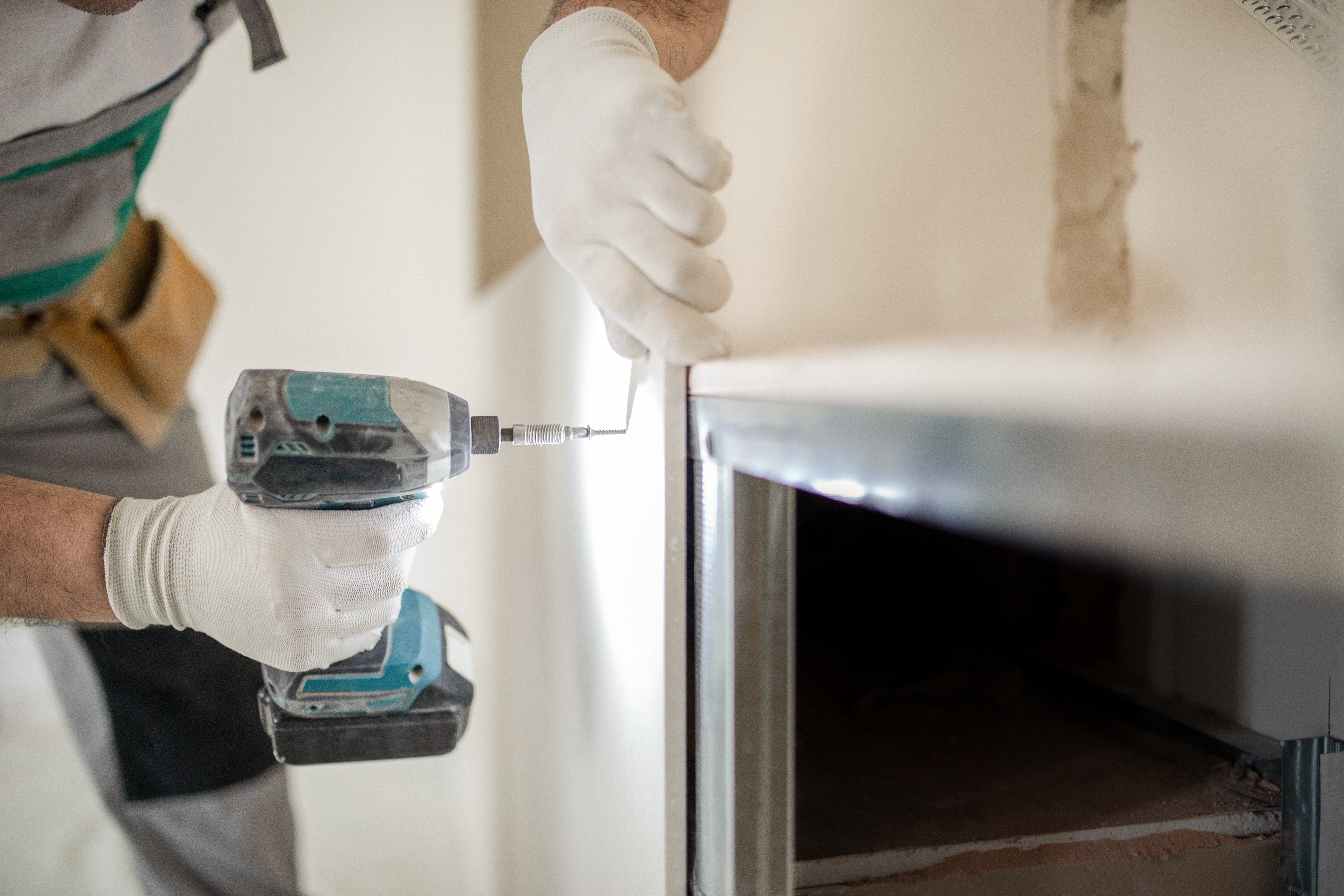
Installing drywall is the most common way to finish your home’s interior. Use this drywall installation cost guide to see what your project is likely to cost.
Whether you want to spruce up a few dents and dings or fix a large surface area, investing in drywall repair costs can return your walls to a smooth, flush look.
Understanding the plaster vs. drywall debate is key to giving your home’s walls the perfect finish. Learn more about the pros, cons, and costs with our advice.
The terms drywall and Sheetrock are often used interchangeably, but one is a brand and one is a specific product. Find out which one you need in this guide.
Thick gaps and extra joint compound can alter the look of drywall. So, should drywall be butt up against a wall? Review this guide for seamless installation.