Top-Rated Water softener pros in Craig - Updated Nov 2026
No results for Water softener pro in
Try adjusting your search criteria.
Water Softeners FAQs, answered by experts
Routine maintenance involves recharging the resin bed with salt or potassium, cleaning components, and periodic inspection.
Whether you need a license or permit for water softener installation depends on your location. Some municipalities require the installer to hold a plumbing license, while others may only require a permit and an inspection. In some cases, both a permit and a licensed installer are necessary, and some areas have no requirements at all. Often, only certified plumbers and electricians are allowed to pull the necessary permits. To find out the specific regulations in your area, you can contact your local building department. Alternatively, a local water softener installer or plumber will be familiar with the requirements and can typically pull the permits for you. Regardless of local laws, it is always recommended to hire a licensed professional to ensure the system is sized and installed correctly. You can use tools like Angi’s state licensing tool to verify an installer's license status.
A water softener is a worthwhile investment if you live in an area with hard water. While hard water is safe to drink, it contains minerals like calcium and magnesium that can cause significant problems over time. These minerals build up inside pipes, reducing water flow and eventually corroding the plumbing system, which can lead to leaks and a shortened lifespan. Hard water also damages fixtures and appliances, potentially resulting in costly repairs. Additionally, it makes soaps and detergents less effective, meaning you'll use more product to get things clean. By installing a water softener, you can prevent these issues. The initial investment is often recouped through long-term savings, including lower energy bills, reduced appliance and plumbing maintenance, and spending less on soap and cleaning supplies. Other benefits include cleaner linens, dishes, and clothing, as well as softer water that is gentler on your skin and hair. In some areas, a water softener can also increase your home's value, making it a valuable long-term investment.
If your ‘do isn’t doing what you want it to do despite using good hair care products, hard water might be to blame. Since hard water can’t rinse soap off as well as soft water can, your hair might grow limp because of the shampoo and conditioner residue that’s left behind. If you color your hair, you might see it fade more quickly or even turn a different shade as the dye reacts with the minerals in the water. You might also experience an itchy scalp, thanks to the dryness that comes from bathing in the hard water.
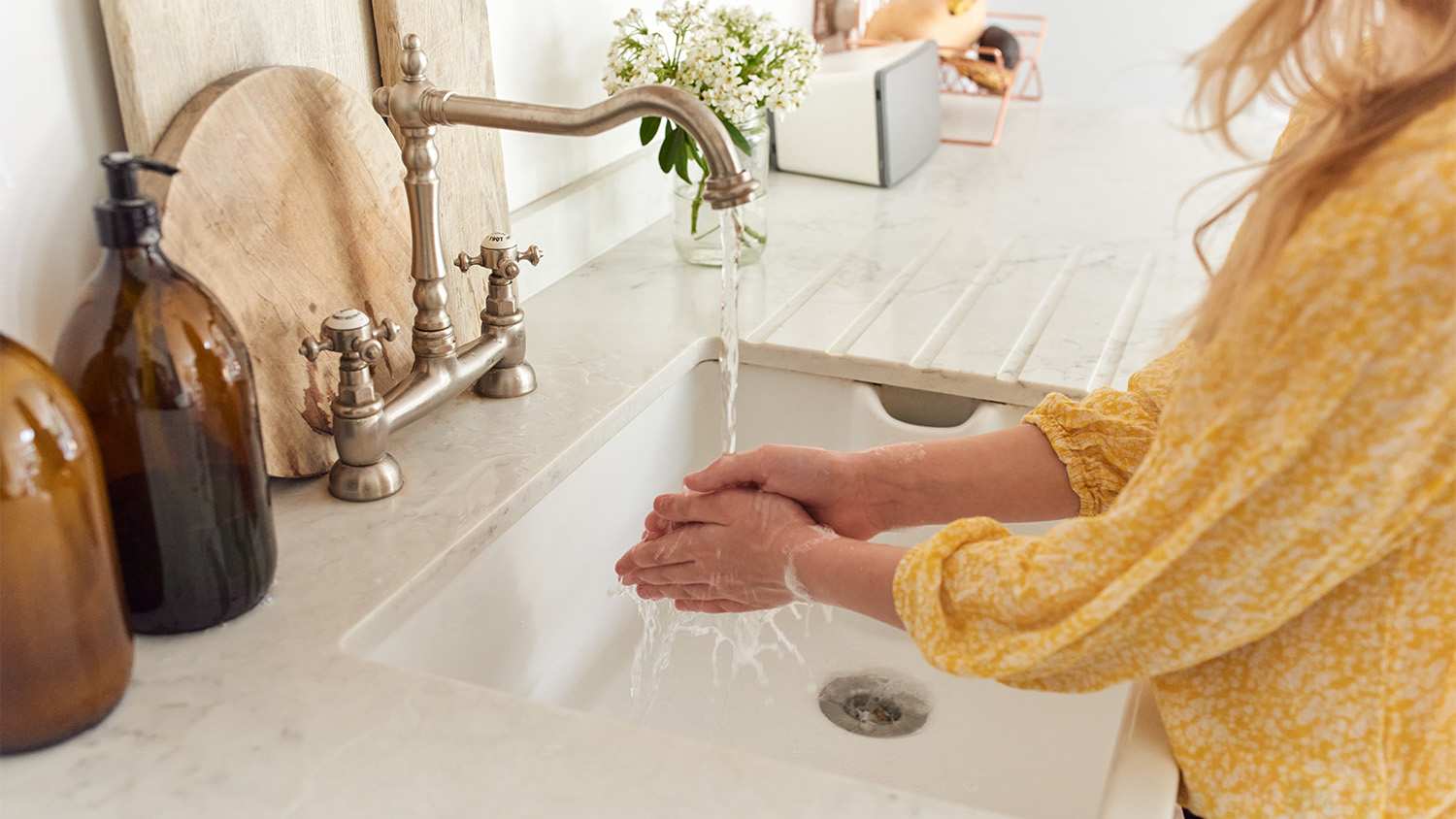
Hard water doesn’t hurt, but it might feel more abrasive, especially if you have sensitive skin. It’s also about how your skin feels after bathing. You might feel as though you have a sticky film over your body because you do—it’s all that soapy residue left behind because the hard water can’t rinse it off completely.
The Craig, AK homeowners’ guide to water softener services
From average costs to expert advice, get all the answers you need to get your job done.
Water softeners work to remove unwanted minerals from hard water through a filtration and recharge cycle. Keep reading to learn how a water softener works.
There are four common softener alternatives available on the market today. We compare and contrast each one to help you find your best-fit solution in this blog.
Water softeners rid your home of hard minerals and, well, soften your water. Even better, the regeneration process is an automatic cycle that works when you’re least likely to use it.
Water softeners remove hard minerals from your tap water, improving plumbing systems and water-using appliances. Here are the most efficient water softeners out there.