
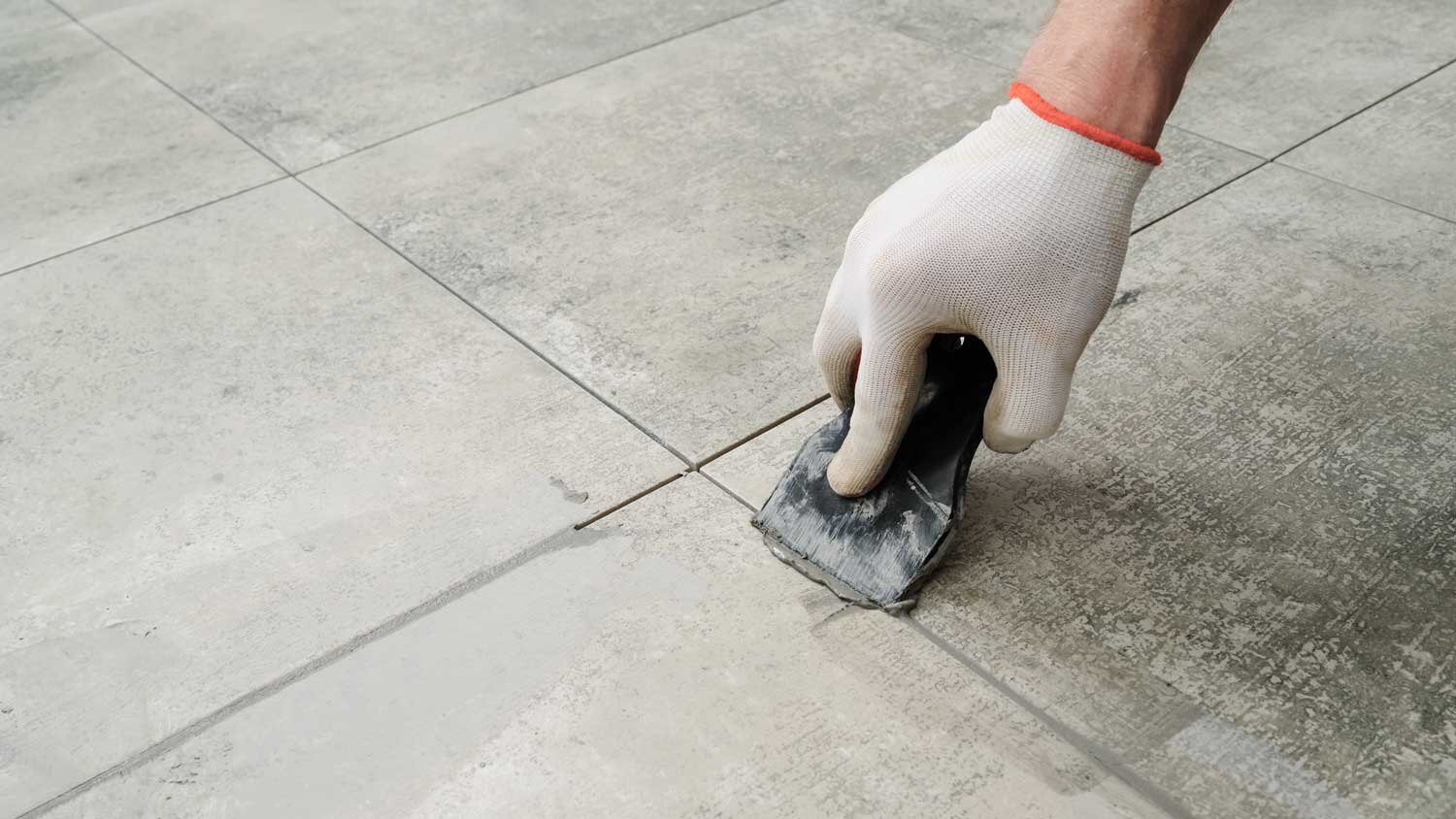
Discover the average cost of grout repair, key price factors, and tips to save. Get expert advice to plan your grout repair project with confidence.
You’ve chosen the tile, now choose the right grout to cement the deal

Choosing the right grout depends on your tile location and joint width, with sanded grout for floors and unsanded for walls.
Epoxy grout resists water and stains better than cement-based options, making it ideal for your bathroom and kitchen tile installations.
Premixed grout saves you time and effort by eliminating measuring and mixing, so you can focus on applying it correctly.
Hiring a local tile professional provides reliable guidance on grout selection and installation techniques, ensuring your tile project lasts for years.
Choosing tile is a big decision, but choosing the right grout to install it is just as important. The seven major types of grout are sanded, unsanded, polymer cement, single-component, epoxy, furan, and premixed. While all grout secures tiles in place, you’ll want to pick the type of grout that works best with your chosen tile and where it will be in your home to ensure longevity.
| Type of Grout | Ideal Tile Application |
|---|---|
| Sanded | Floors |
| Unsanded | Walls |
| Polymer cement | Large tile joints and high-traffic areas |
| Single-component | Bathrooms and kitchens |
| Epoxy | High-traffic and high-moisture areas |
| Furan | Commercial and industrial settings |
| Premixed | Nearly all projects |
Sanded grout is a type of cemented grout, and it gets its name because it’s made with particles of sand to make it denser and more durable. Some types of grout crack and shrink over time, but sanded grout is much less likely to do either.
Sanded grout has more stability because the sand keeps it in place, which makes it a great choice for installing floor tiles. However, you’ll want to keep sanded grout away from glass, polished stone, or glazed ceramic tile because the sand particles can scratch up those delicate tiles.
| Pros | Cons |
|---|---|
| Comes in many colors | Longer dry time |
| Budget-friendly | Not good for delicate tiles |
| Durable | Needs to be sealed |
Best for: Flooring

Unsanded grout is also a type of cemented grout, but as the name suggests, it doesn’t contain sand. Instead, it has fine mineral particles that make it good for installing wall tiles and delicate tiles that would otherwise be damaged by sanded grout. However, you’ll want to make sure that the joints between your tiles are no wider than 1/8 inch. Otherwise, your grout will be more likely to shrink and crack.
| Pros | Cons |
|---|---|
| Good for delicate tiles | Comes in fewer colors |
| Easy to apply | More expensive |
| No sealant needed | Not good for wide joints |
Best for: Wall tiles and narrow joints
Most types of grout take between 24 and 48 hours to dry. Unsanded grout may need up to 72 hours to dry, whereas epoxy grout requires much less time, around 24 hours. Always check the product info for the most accurate drying times for your product.

Polymer grout is another cement-based grout that has water-activated polymers added to it. When water mixes with the grout, a chemical reaction creates a stronger water- and abrasion-resistant shield than other cement grouts have. It’s a good choice for larger grout joints (up to 1 and 1/4 inches) and tile applications in commercial and high-traffic areas.
| Pros | Cons |
|---|---|
| Won’t stain or shrink | Flammable |
| Highly water-resistant | Long cure time |
| Good for commercial and residential projects | Could stain tiles |
Best for: Large joints and high-traffic areas
Epoxy grout is known for its durability and longevity. This nonporous grout stands up well to water and chemicals, making it a good choice for installing tile in high-traffic areas, including industrial settings. It can be used for both floors and walls, so it makes sense to consider it for bathrooms and kitchens. However, the faster dry time for this type of grout makes it necessary to mix only small batches, so epoxy grout could prove to be a bit of a challenge for DIYers.
| Pros | Cons |
|---|---|
| Highly durable | Hard to work with |
| Fast dry time | Expensive |
| Doesn’t need sealing | Can cause discoloration on porous surfaces |
Best for: High-traffic areas
Single-component grout has similar advantages to epoxy grout, but it’s actually made from resin, often urethane or acrylic-silicone. The “single” part of the name simply means that it doesn’t need to be mixed with something else in preparation for tile application.
Single-component grout is nonporous, so it’s easier to maintain than other grouts that will need to be resealed. It stands up well to water, stains, and mold, making it a great choice for high-moisture areas like kitchens and especially bathrooms.
| Pros | Cons |
|---|---|
| Great for high-moisture areas | Sets quickly when exposed to air |
| Mold- and mildew-resistant | More expensive |
| Doesn’t need sealant | Can scratch some surfaces |
Best for: Bathrooms and kitchens

Furan grout is a durable grout made from furan resin and filler, but it has no cement or water like some other grouts. In addition to its excellent durability, furan can stand up to damage from heat or chemicals. For this reason, it is often used for commercial tile installations, like in laboratories and restaurant kitchens. Furan grout can also be used for residential applications, including kitchens and outdoor patios and walkways. However, tile installations with furan grout are best left to a local tile contractor because they require more tools and preparation within rigid temperature limits.
| Pros | Cons |
|---|---|
| Resists heat and chemical damage | Expensive |
| Highly durable | Better left to the pros |
| Good for commercial installations | Harder to maintain |
Best for: Commercial and industrial
Premixed grout is a DIYer’s best friend for tile installations. Not only is it highly durable, but there’s no measuring or mixing involved—just open the lid and stir. The best part? Most of the aforementioned grouts come in a premixed formula, so you’ve got plenty of options to make home projects run smoothly.
| Pros | Cons |
|---|---|
| Easy to use | Pricey for large products |
| Highly durable | Harder to clean up |
| Available in various types | Can’t use with additives |
Best for: DIY tile installations

Experienced DIYers might want to try their hand at some of the mixable grouts on the list, but beginner and intermediate DIYers might want to head straight for the cans of premixed grout.
Choosing a grout color will depend on your personal preference, although you should know that while some types of grout come in a rainbow of colors, you might be more limited with the type you need for your installation. Before committing to a full wall or flooring project, try out some tiles and grout on a spare piece of wood so you can see how well the combo goes together, especially when the grout dries.
When you use the right type of grout, you avoid damaging the tile. Plus, you’ll see an increase in the longevity of its installation. If you’re unsure which type of grout to use for your home tiling project, consult with a knowledgeable sales associate or reputable local tile installer before getting to work.
Terrible experience. Walls/trim/floors/cabinets/doors all have drip marks, overspray, etc. Tiling at the fireplace had to be redone by another vendor due to incorrect and shoddy install by Profect. Contractor had his children in our house while he was on site without prior authorization or...
 Profect painting & exteriors
It was wonderful working with Yordy and his team. They were very professional and are experts in what they do. They have completed the work on time, with better quality and with in fairly reasonable price. We just started with backsplash work , but liking his work, we went on to provide...
 Flooring Solutions
We were having 2”x 2” tile installed . There was a small installation error and the new additional replacement tile was from a different lot and the colors didn’t match. Joe assured us that he would rectify everything , which he did without hesitation. We decided to go with the 18” x 36” tile...
 CarifaTile
For several months I was looking for somebody to tile a wall in my master bath and move lighting fixtures, and could not find anybody who was responsive. I contacted Rowe through Home Advisor and within days they came by to assess the job and provide an estimate. The cost was very...
 Rowe House Development
It went very well! The end product was amazing and we keep getting a lot of compliments from friends! M&E were very professional and they made sure we were happy with the product before leaving. They met with us in our home and at the tile shop to make sure we were okay with our tile and...
 M&E Remodeling
Involved an extensive bathroom remodel, including removing tub & installing walk in shower, new drywall, custome tile work to ceiling, plumbing, etc. Overall, job was done on time and on budget. Nick & his team were very professional and had high attention to detail. Quality was great. Highly...
 Stamos Flooring and Remodeling LLC
Very pleased with the service and level of professionalism. Courteous and very unobtrusive in performing service. Unlike several other companies, Bradford Xteriors was willing to perform work on a three story home with a clay tile roof. <br />
 Bradford Xteriors
This company did a very good job on the brick wall and it looks just amazing. The staff was always professional and was practically OCD on how the bricks were stacked and how they were laid. Although it took longer than expected, I am willing to sacrifice time over perfection anyday. The...
 My Handy Mate LLC Improvement & Remodeling
He did the tile work and he was good at it. He used other subcontractors for the rest of the work (like putting in the cabinetry) and they were okay but not great. He was a great guy! He was easy to work with and had a good eye for the detail of his work. There were a couple of things that I...
 Brian Miller Custom Remodeling
I was very impressed with Miller Cantrell! I live in an old home in which the sewage line that runs from my home to the sewage system is a line of clay tile. These eventually collapse and need to be replaced - an expensive problem and sure to happen at the worst time. I told them that my...
From average costs to expert advice, get all the answers you need to get your job done.
Discover the average cost of grout repair, key price factors, and tips to save. Get expert advice to plan your grout repair project with confidence.
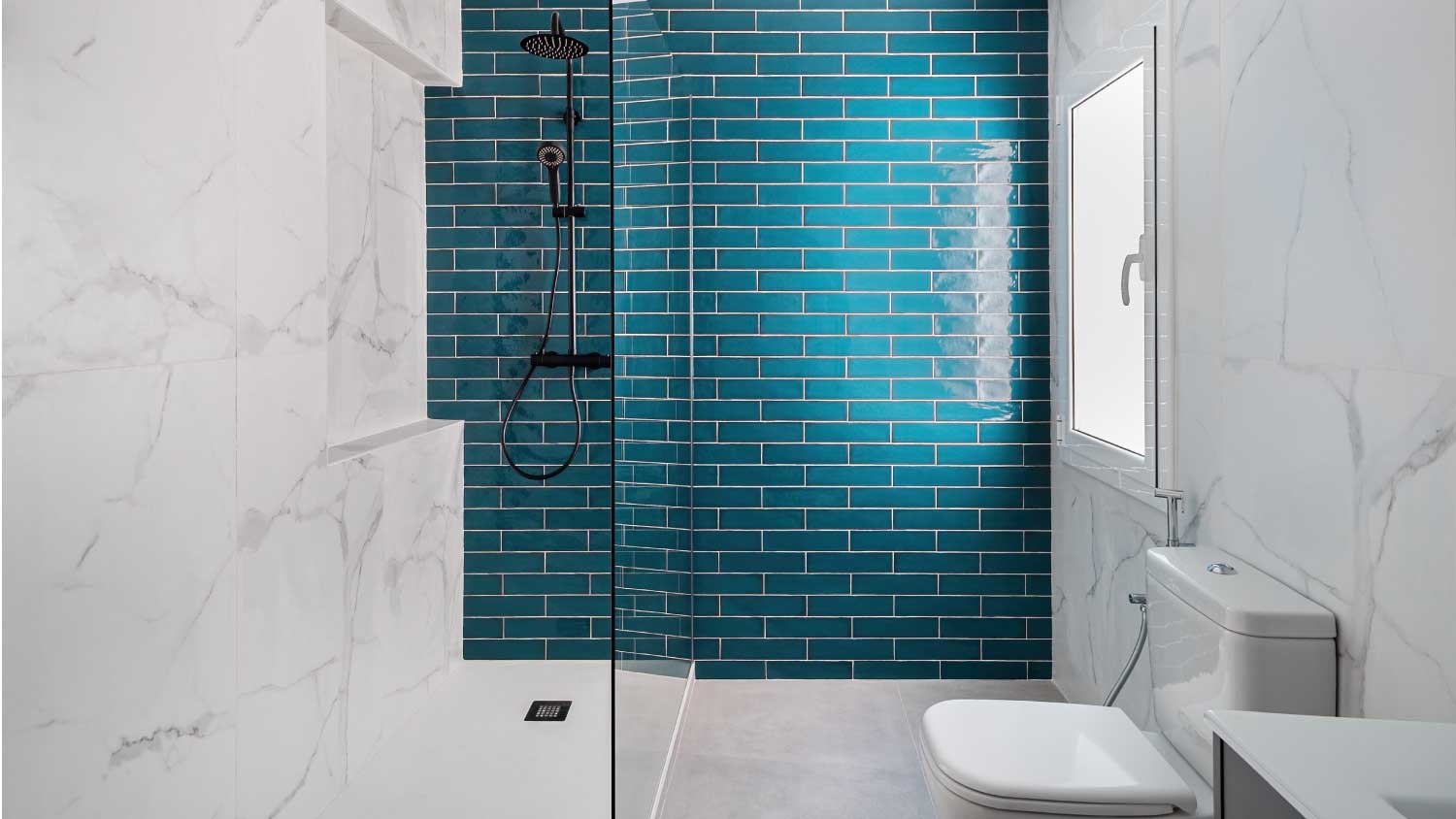
Discover the cost to regrout shower, including average prices, key cost factors, and tips to help you budget for a fresh, watertight shower.
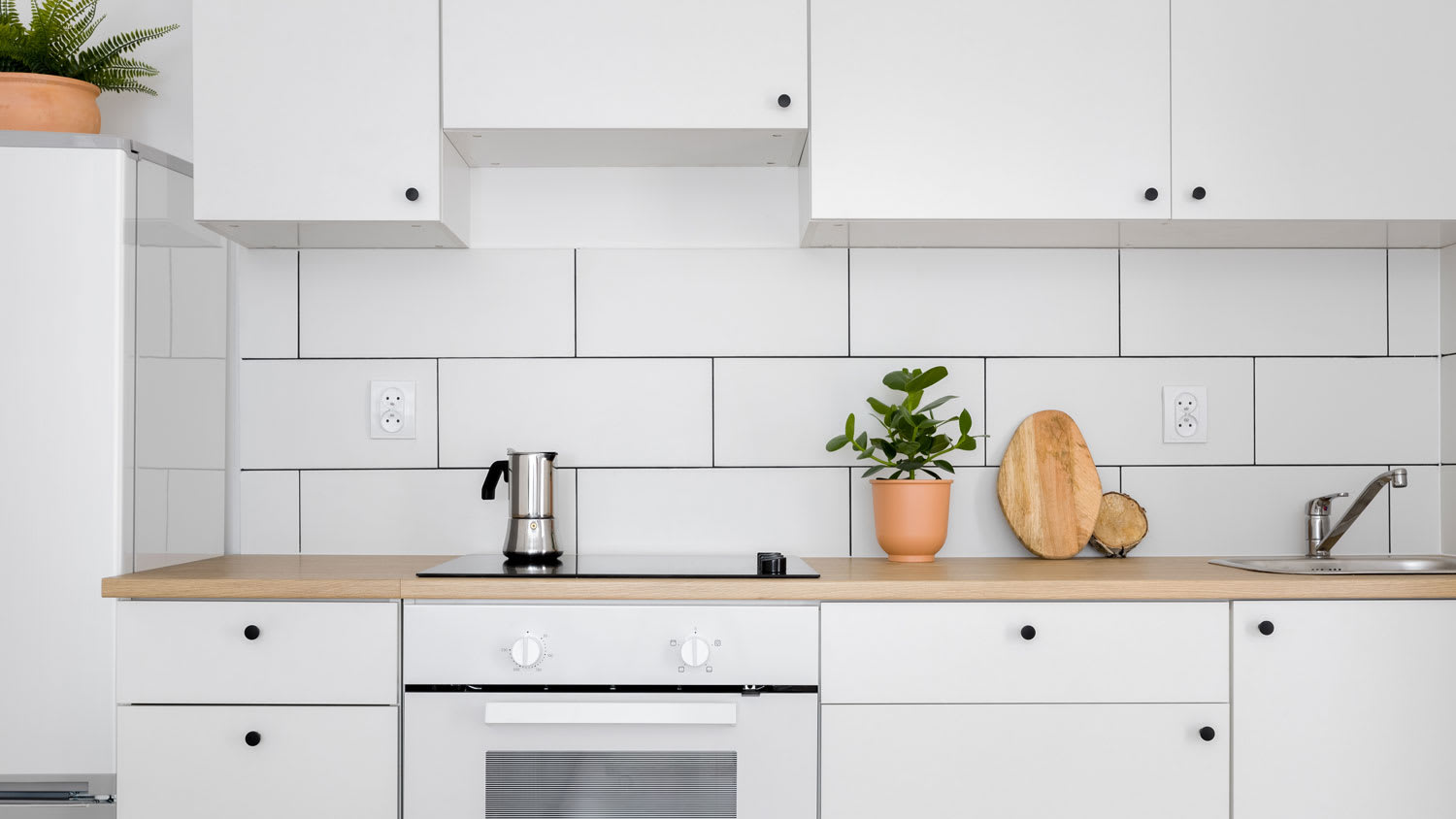
Choosing the best grout for kitchen backsplashes depends on your priorities and backsplash design. Learn how to choose the best grout for your backsplash.
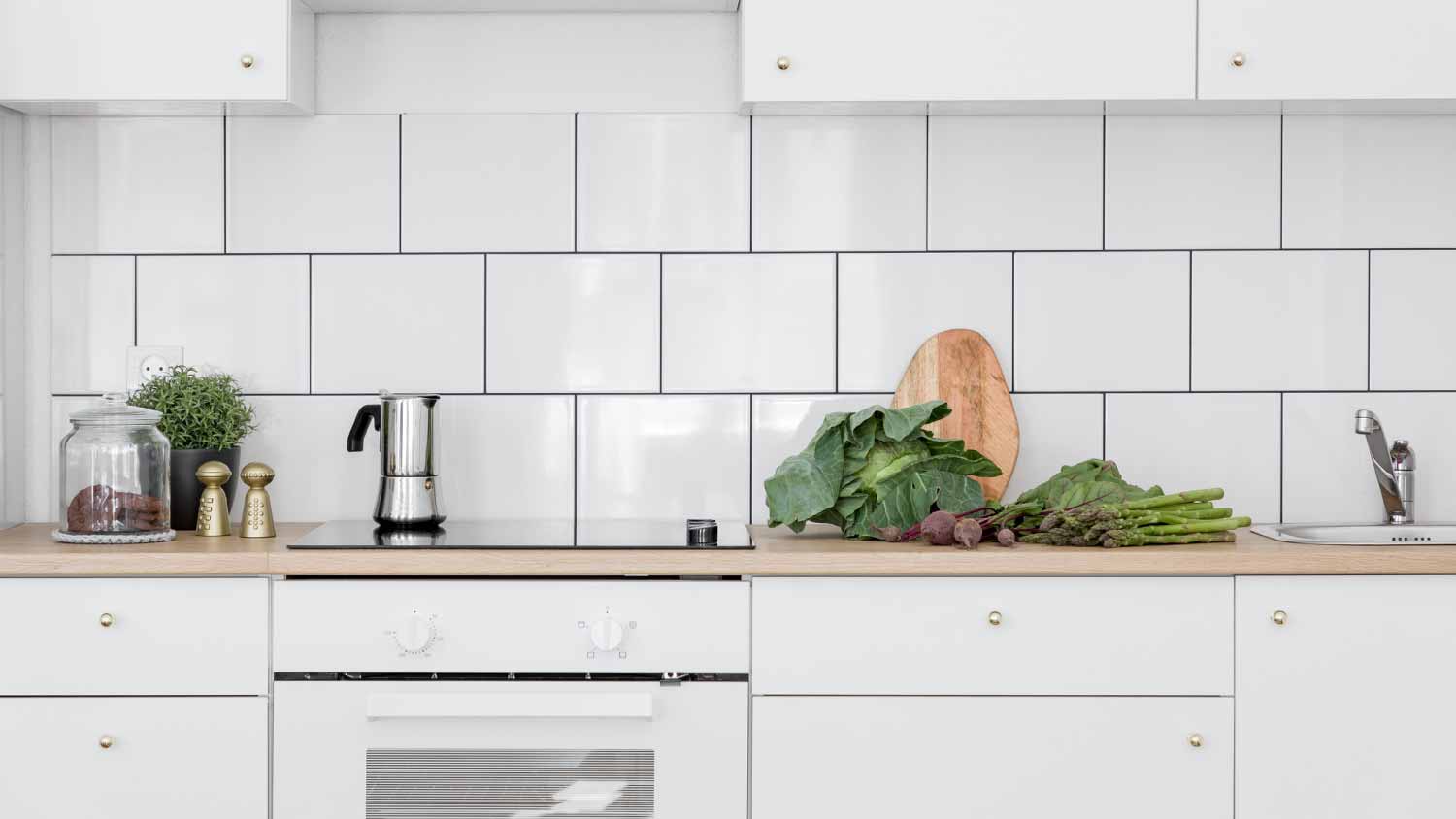
What is grout, and what is its purpose? The answer is important if you’re planning a remodel soon. Learn all you need to know about grout in this guide.

Keep your bathrooms and kitchens looking their best by learning how to clean floor tile grout in this complete guide.
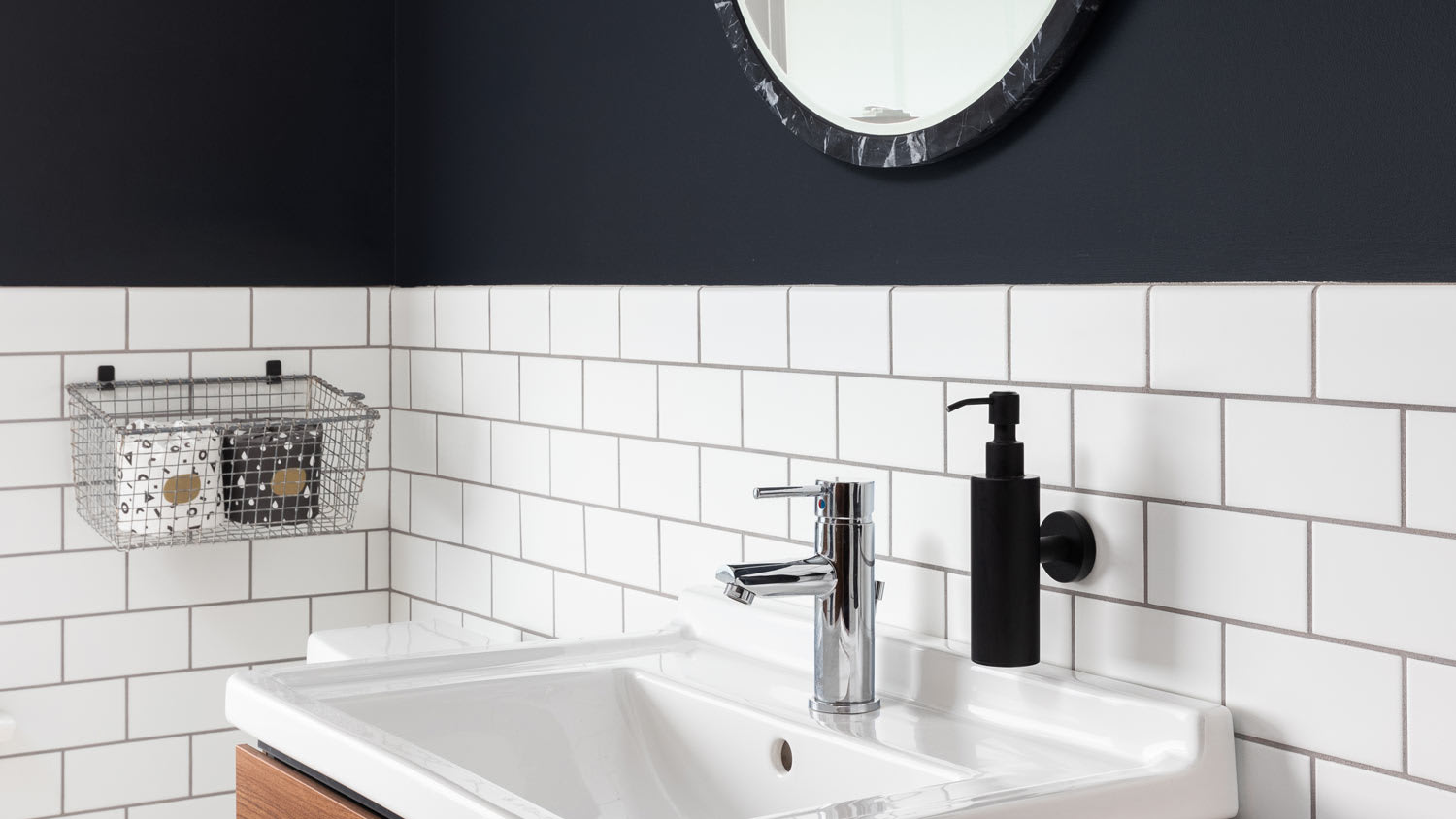
If you’re DIYing a tiling installation, you’re probably wondering how much grout you need to buy. It’s a matter of measurements and math that anyone can do.