
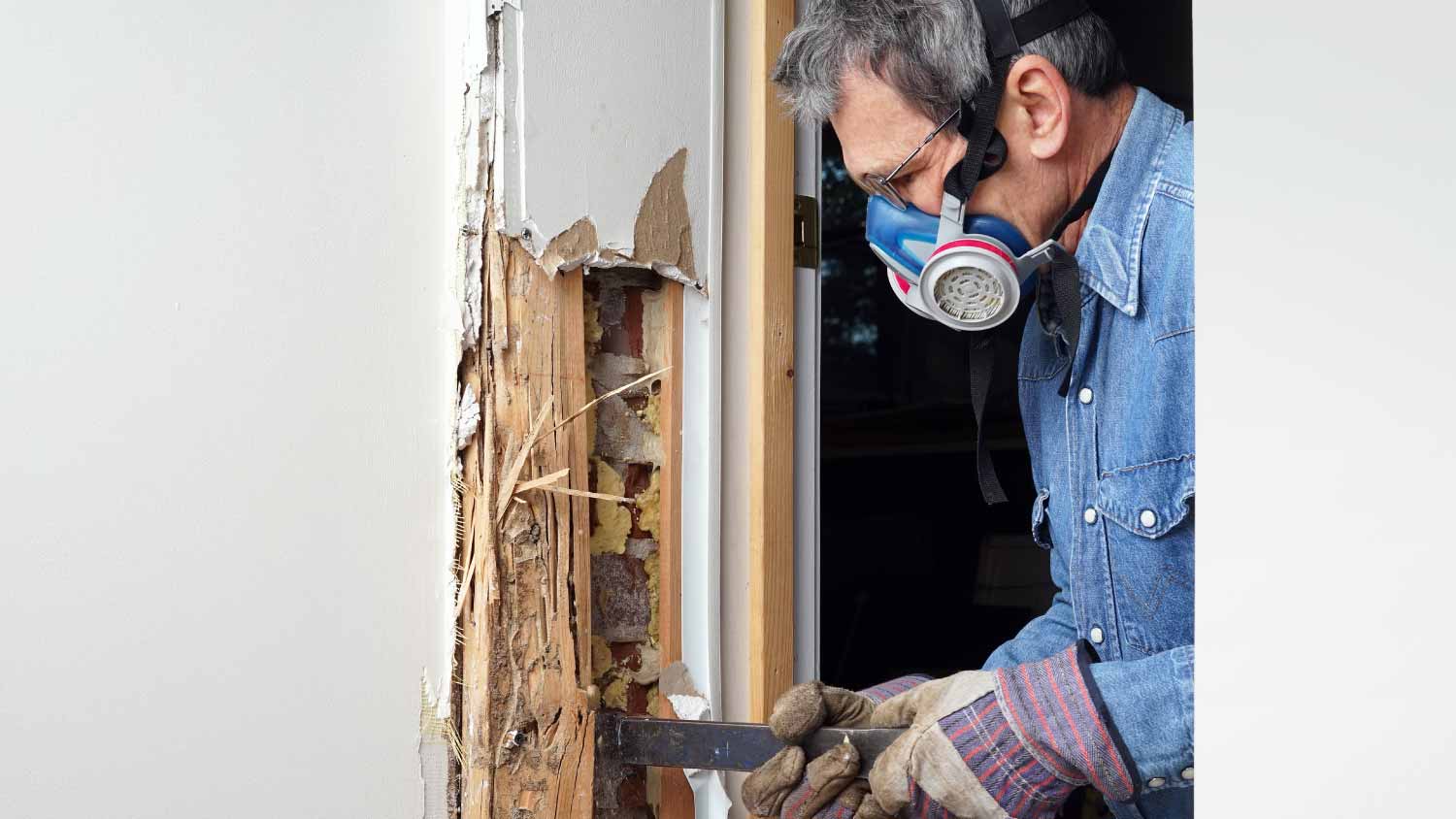
Termite damage repair costs can vary greatly based on the damage severity and location. Learn more about the associated costs of this project with our guide.
Learn which problem is which so you don’t bark up the wrong tree

Termite damage and wood rot both harm wood, but differences between termite damage and wood rot show up in appearance, with termites creating hollow tunnels while rot causes visible decay.
Dry rot repair costs range from $500 to $3,000 on average, so addressing your wood damage early helps you avoid higher expenses down the road.
Your choice depends on what's causing the problem: termites need pest control and sealed entry points, while rot needs moisture control and treated wood surfaces.
Hiring a local mold removal professional provides clear guidance on identifying wood rot, testing for moisture issues, and planning repairs before damage spreads.
If you find damaged wood in your home, odds are you’re going to have a lot of questions: How much will it cost to repair, can I fix it myself, and, most importantly, is it termite damage or wood rot? Because it’s not always obvious, knowing what signs to look for will help you determine which of these two issues is responsible for the problem—and give you enough time to call in the right pro before things get out of hand.
Here are all the major differences when it comes to termite damage versus wood rot, including what causes them and how to prevent their occurrence in the first place.

Not sure if you’re looking at termite damage or wood rot? Termites hollow out wood by creating tunnels, leaving weak wood that may still look intact from the outside, while wood rot results in wood dust and spongy, warped, discolored wood that’s visibly damaged.
Keep in mind that there are two types of wood rot: dry and wet. Wet rot happens when wood has prolonged contact with moisture. When this is the underlying problem, wood darkens and becomes soft and spongy to the touch, and it will usually only be in a small area—say, where a leak meets the floorboards.
By contrast, fungal spores are what cause dry rot, so it can form with or without moisture. What does dry rot look like, though? Keep an eye out for orange-colored dust or wood that’s breaking down into cubes and has a sawdust-like texture. You’ll also want to act fast if it turns out that you’re dealing with dry rot because it can infect your entire home—not just the parts made of wood like wet rot.
| Termite Damage | Wood Rot |
|---|---|
| Caused by termite infestations | Caused by fungal spores and contact with moisture |
| Look for visual clues like mud tubes and insect debris | Exterior clues include orange dust and warped wood |
| Severe structural damage likely upon detection | Damage is less invasive if remediated quickly |
| One type of termite damage | Multiple types of wood rot |

Although they’re both bad news, termite damage and wood rot look very different. Termite-damaged wood may not have any visible exterior damage, but you can still see, hear, and feel signs of termites making a meal of your wood. Wood rot is much more visible and can have several different causes. The type of damage you see can help you narrow down what kind of wood rot you’re dealing with.
| Termites in Wood Appearance | Wood Rot Appearance |
|---|---|
| Mud tubes | Orange dust |
| Insect droppings and debris (like discarded wings) | Buckling or blistering |
| Hollow, tunneled wood | Moldy |
Whether it’s white or black mold, it’s never fun to discover areas of your home are decomposing. The silver lining? If they are present on your wood, that’s a big indicator that you’re dealing with wood rot and not termites. A local mold removal specialist can help you with the problem.
Knock, knock—is what you should do to your wood if you suspect termites. These little nuisances chew their way from the interior of wood all the way to the exterior. That means that wood will produce a hollow sound when tapped if it’s infested. By contrast, wood rot doesn’t necessarily affect timber’s density or the way it sounds.
Termites don’t drastically alter the texture of wood, but wood rot does, and both kinds in their own way. For instance, wet rot will make wood moist and spongy, while dry rot will make it brittle and rough like sawdust. If you’re noticing textural changes, wood rot should be your prime suspect.
There are a couple of ways termites enter a home, the chief of which is when the foundation is in direct contact with soil. You’ll be able to tell the reason for your lumber-related woes if you spot mud tubes—which are brown, winding paths that termites use to burrow into your home. They’re located on both interior and exterior walls.
If wood damage is paired with an increased presence of insect droppings and debris like discarded wings, prepare to hire an exterminator near you because you’ve got termites. Similarly, termites swarm a few times a year during mating season, and any wood problems that develop during these moments could be linked to that.
Because wood rot warps timber, it also affects your ability to open and close doors or windows with ease. For instance, if the floor is buckled or blistered where your front door meets the floors, shutting it will be that much more complicated. If issues like this have started to pop up around your home, you could be looking at wood rot.

In addition to their varied appearances, wood rot and termite damage are also caused by different things.
One of the best ways to prevent mold and therefore wet rot is to keep wood and water far apart, but that’s not always easy depending on where you live. Particularly wet or humid environments are more prone to such issues than dryer terrains, so you might want to invest in a dehumidifier or opt for another building material altogether. How much moisture the wood is exposed to will determine how long wood takes to rot.
Dry rot stems from fungal spores that form on wood in nature, which means that homes in especially wooded places—like forest environments—have a higher chance of becoming infected.
It’s a good idea to limit contact between water and wood, but that’s especially true when it comes to power washing. The high levels of pressure and heat used in this cleaning method strip away any protective coatings and allow water to penetrate wood more easily. Even pressure-treated wood can rot from repeated power washings.
Pressure-treated wood resists moisture and pests but contains chemicals that may not be suitable for indoor use.
— Felicia Wilkes, Comfort Specialist at A-One Refrigeration & Heating Inc
If there’s an opening in your foundation, no matter how small it may be, termites can find and use it to feast on your timber. Taking care to seal small gaps and cracks throughout the interior and exterior of your home will limit the chances of an infestation.
Some areas of the United States have larger populations of termites than others, in which case you need to be extra prepared for potential infestations and get preventive termite treatments. These tiny bugs prefer warmer climates, so they’re more likely to be an issue in the South and Southwest.
Stopping wood rot in its tracks or preventing wood rot entirely is a totally different process from avoiding termite infestations. Here are the best preventative measures to take for each.
Reduce contact between soil and foundation
Seal openings
Turn lights off outside during the swarming season
Treat the soil surrounding the foundation with anti-pesticide
Treat all exterior wood with finish or stain
Reduce humidity levels inside
Limit contact between wood and water
Remove wood from around the house
Both termite-damaged wood and wood damaged by rot should be repaired or replaced as soon as possible to prevent further problems and maintain the wood’s structural integrity. Wood with minor rot damage can often be treated with wood hardener, filled with epoxy wood filler, and sealed. Since termite damage hollows out wood, replacement is generally the best choice rather than repair for all levels of damage except very minor superficial damage.
If your wood rot problem is extensive, your best bet is to call a pro who fixes wood rot to ensure the entire problem is handled. Dry rot repair costs between $500 and $3,000 on average.
If you’re good people wanting to do business with good people, hire Matt. He is a consummate professional and utterly competent. He installed a water heater in my home at a price that beat competitors by hundreds of dollars with a promise to support the unit for its life (even after its 6 yr...
 Greene's Plumbing Services
Corey Carr was great. I had damage from a recent storm and needed to have my mast and other components replaced. The project entailed coordinating with AEP, and Corey helped make a stressful situation a lot less stressful. I really appreciated his dedication to service and the job very well done.
 Mr. Electric of Columbus
This service was great. My air conditioner went out during the heat spell that we had. My husband has health issues and they came out that night and at 9:30pm the air conditioner was fixed and running. We are sooo very thankful, this is the company I will be using from now on and would...
 Mr. Mechanical Ohio
Positive experience. As previously stated, the replacement/repair could not be completed (no fault of the plumbing tech) b/c misinformation was rec?d by property management maintenance. Thanks to the plumbing tech for your efforts. Appreciate you!
 The Waterworks
Carpet repair done well. Scheduling was easy. Showed up on time.
 BR Flooring Installation
As usual with ECO, tech Jordan was outstanding, very professional, very knowledgeable, and very thorough with repairs made to tankless water heaters. Very highly recommend ECO!!!
 Eco Plumbers, Electricians, and HVAC Technicians
I would recommend this company to anyone! He showed up on time, was friendly, completed a very difficult repair on our dryer vent cover, was responsive, and pricing was extremely fair and competitive. I would have him back to do any of our repairs or cleanings without hesitation!
 U.S.A. Dryer Vent, LLC
Everything from initial contact to completion was absolutely top notch. We contacted the business during off hours to leave a message, and the owner still reached out to feel out the issue within minutes. We were scheduled and repaired within 48 hours. I cannot say enough about the...
 Supreme brick & chimney
Ace Fireplace Services came to the rescue for my chimney repair. They were quick to pinpoint the issue and worked their magic to fix it. My chimney is now in excellent shape, and I'm a satisfied customer.
 Ace Fireplace Services
When we had the winter freeze, I called Quantum Waterworks Waterline & Drain Cleaning Services and within 1 hour I received an e-mail and he sent someone out the next day and he was on time, he was nice and did the job quickly and cleaned up after himself. We had a leak in our kitchen from...
 Quantum Waterworks Waterline & Drain Cleaning Services, LLC
From average costs to expert advice, get all the answers you need to get your job done.
Termite damage repair costs can vary greatly based on the damage severity and location. Learn more about the associated costs of this project with our guide.
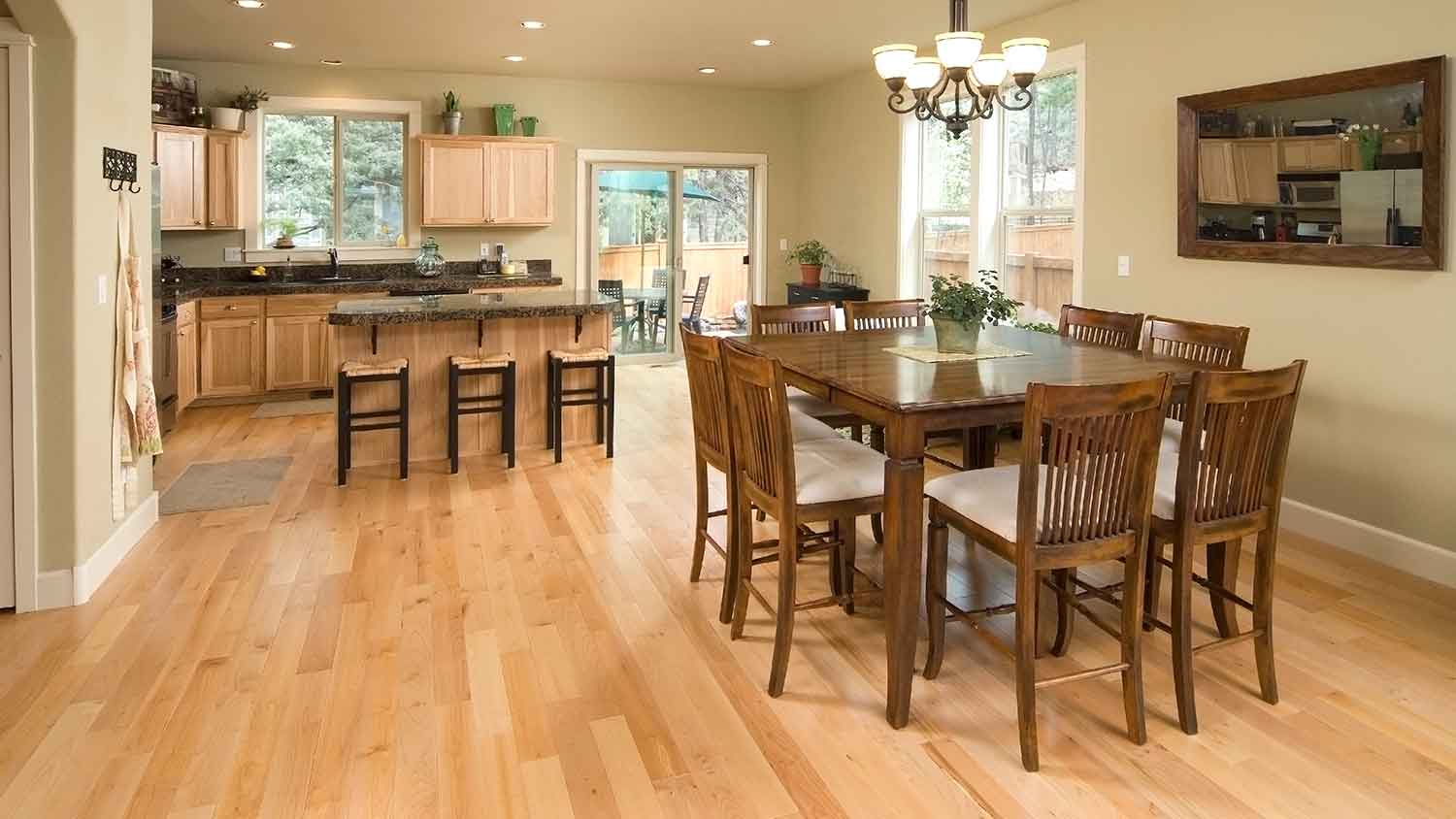
Sagging floor repair costs vary considerably depending on the type and extent of the damage and the flooring material.
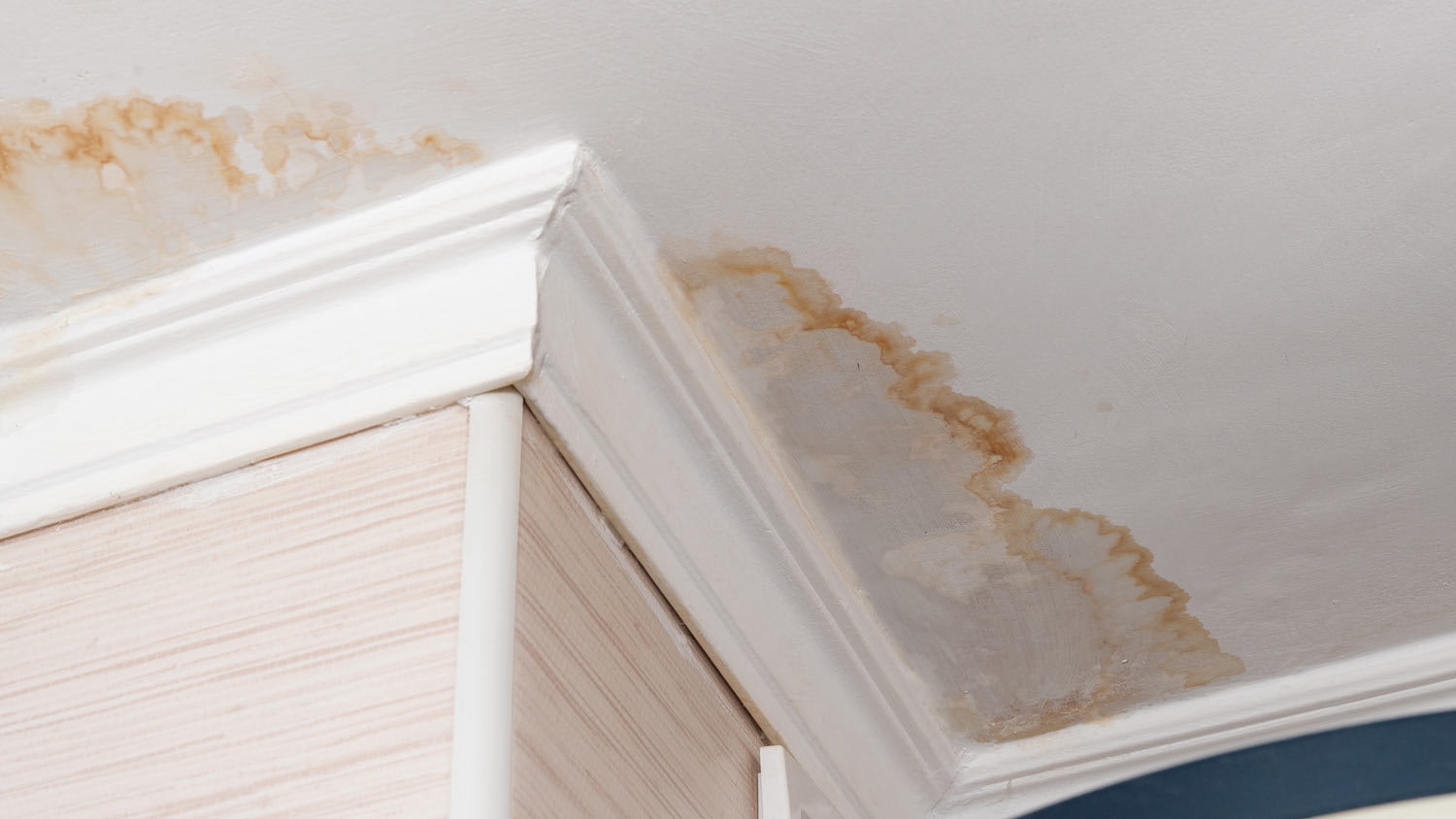
Water and termite damage can compromise your home's structural integrity. Learn how to spot their differences and stop the problem before it gets worse.
Termites often cause major damage before they’re discovered, but there are ways to restore your home. This termite damage repair guide reviews your options.
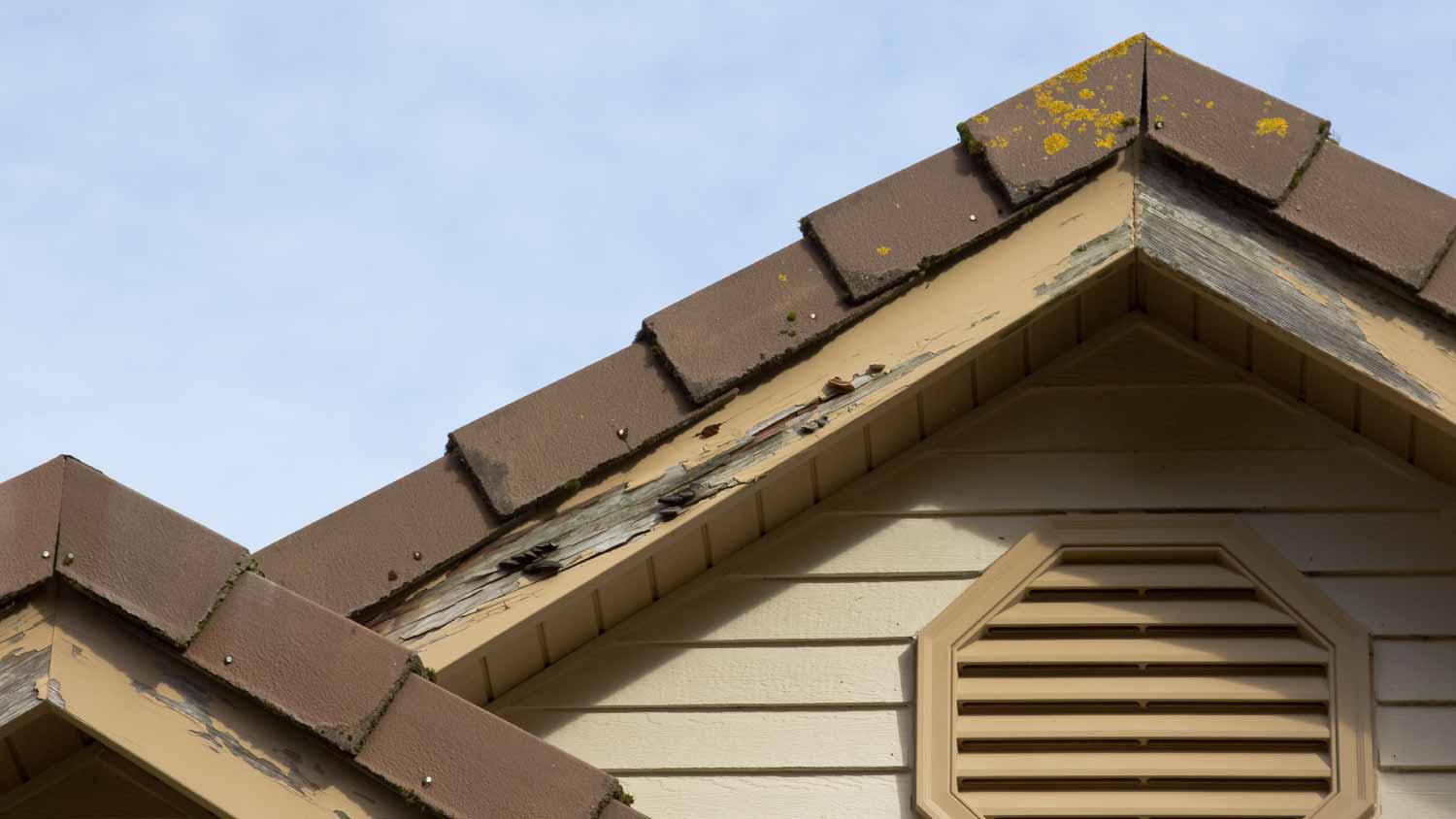
If you see mushroom-like structures on wood at your home, you likely have wood rot. Learn more about the two primary types of wood rot—dry rot versus wood rot.

The five primary types of wood rot are dry rot, wet rot, brown rot, white rot, and soft rot. Learn what causes them and how to identify them in your home.