

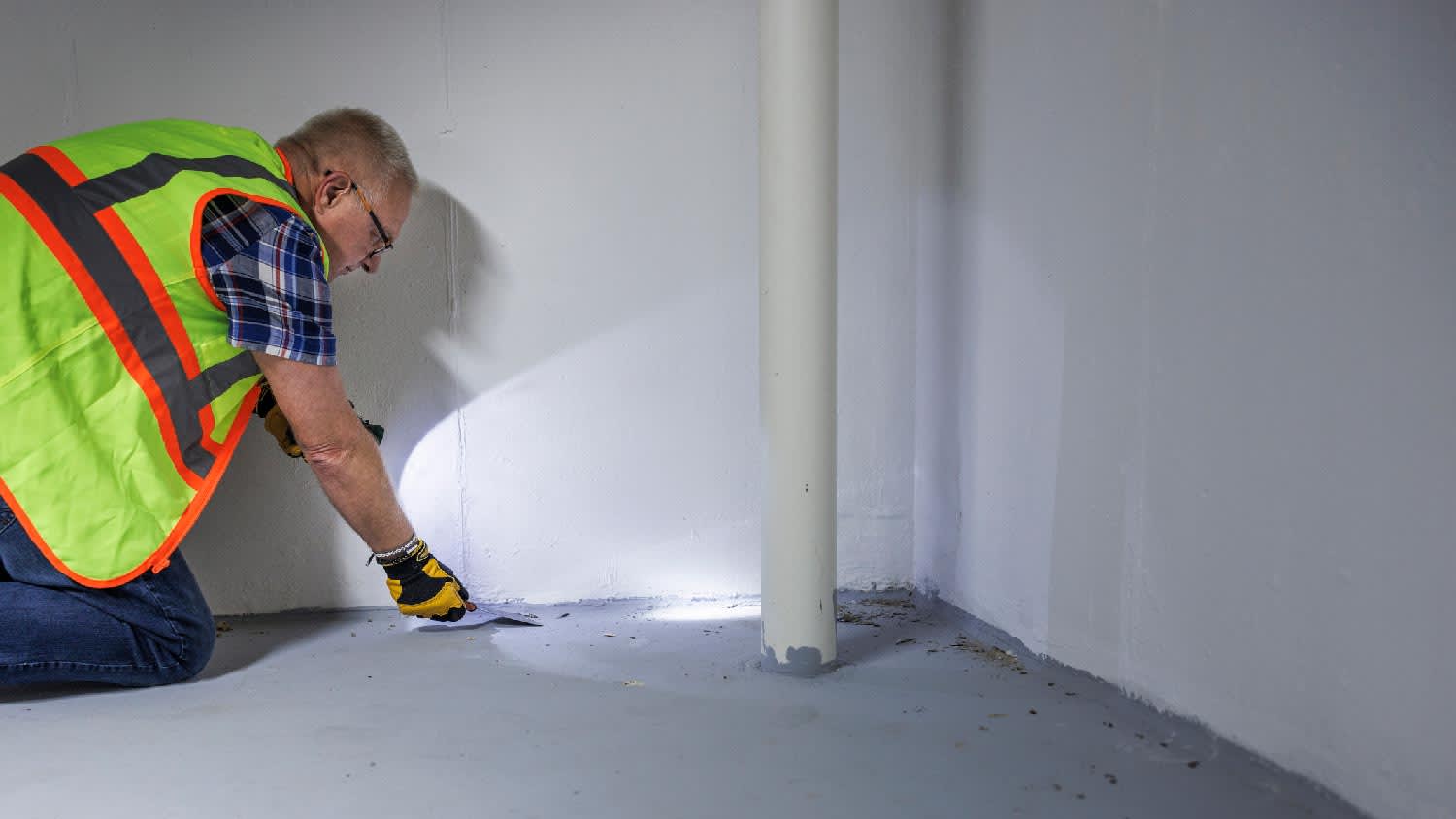
The cost of a mold inspection might seem high, but it’s one of the best investments you can make for your health and home. Read on to learn cost-saving tips.
Send these uninvited house guests packing

Black mold on wood appears as dark green or black slimy patches, while wood rot shows as discolored, spongy wood that weakens your structure from within.
Black mold releases toxic spores that can cause respiratory issues, allergies, and skin irritation, especially when you have prolonged exposure in your home.
You can prevent both problems by controlling moisture through proper ventilation, sealing wood surfaces, fixing leaks promptly, and maintaining consistent indoor humidity levels.
Hiring a local mold removal professional provides safe, thorough remediation with specialized equipment and cleaning agents, protecting your health during the removal process.
When it comes to black mold versus wood rot, these two issues pose different threats to your home. Black mold, a toxic fungus, thrives in damp environments, posing severe health risks to inhabitants. Wood rot, on the other hand, is a gradual decay of wood caused by fungi, compromising the structural integrity of buildings. While both stem from moisture, black mold endangers health, whereas wood rot silently undermines the very foundation of homes.
Learn more about the differences between black mold and wood rot.
Here are the outlet types you find in most U.S. homes:
15-amp, 120-volt (2-prong and 3-prong): The standard household outlet for lamps, TVs, and chargers.
20-amp, 125-volt: A higher-power outlet for kitchens, laundry rooms, and workshops.
240-volt (20-amp to 50-amp): A large-appliance outlet for dryers, ranges, and EV chargers.
GFCI: A shock-protection outlet for kitchens, baths, and other wet areas.
AFCI: A fire-protection outlet for bedrooms and living spaces.
Tamper-resistant: A child-safe outlet with internal shutters, now standard in new homes.
Weather-resistant: A corrosion-resistant outlet built for outdoor use.
Convenience types: Switched, combination, USB, smart, and rotating outlets.
Black mold and wood rot, both fueled by moisture, pose distinct threats to homes. Here is a quick look at how these two issues differ.
| Type of Difference | Black Mold | Wood Rot |
|---|---|---|
| Source | Fungus | Fungi |
| Appearance | Dark green or black | Discolored spongy wood |
| Health Impact | Respiratory, allergies | None |
| Location | Damp surfaces | Within wood |
| Removal | Remediation | Wood replacement |
| Prevention | Proper ventilation | Waterproofing |
The terms “mold,” and “black mold" are commonly used interchangeably, but there is a difference. Black mold is a specific type of mold. It’s typically black in color, but it can be green. And, unlike some types of mold, black mold is toxic.


While the above chart gives you a general idea of how black mold and wood rot differ in appearance, cause, and removal, let’s take a much closer look at these differences.

So—what does black mold look like? Black mold presents as dark green or black patches on various surfaces, thriving particularly in damp environments. Its slimy texture distinguishes it from other molds. In contrast, wood rot manifests as discolored, spongy, and weakened wood structure. The affected wood often takes on a yellow, brown, or white hue, indicating the presence of fungi. While black mold primarily affects surfaces, wood rot is an internal issue, progressively compromising the integrity of the wood from within.
Chances are, you’ve already heard plenty of warnings about how damaging black mold can be toxic and bad for your health, but luckily wood rot isn’t dangerous in that way. Black mold exposure can lead to severe health problems, including respiratory issues, allergies, and skin irritation, especially in individuals with weakened immune systems. Prolonged exposure to its mycotoxins can result in chronic illnesses. Wood rot, conversely, does not directly impact human health. However, its presence compromises the structural stability of buildings, potentially leading to accidents and injuries due to weakened structures.

Black mold thrives on surfaces, especially in areas with high humidity or water damage. Common locations include walls, ceilings, and damp corners of homes. Its visibility often prompts early detection. Wood rot, however, grows within wood, making it challenging to identify until significant damage has occurred. It often originates in hidden, moist areas like basements, crawl spaces, or areas affected by leaks, spreading silently within the wooden structures.
The good news is, if you’re handy, you may be able to tackle wood rot removal and repairs without professional help. Wood rot removal involves replacing the affected wood and addressing the underlying moisture issue. This process includes repairing leaks, improving ventilation, and applying wood preservatives to prevent future fungal growth.
Unfortunately, removing black mold on your own is difficult to do safely. Black mold removal is a trickier business and requires professional mold removal from a local pro due to its toxicity and potential to spread during the cleaning process. Professionals employ specialized equipment and cleaning agents to ensure thorough eradication. If you suspect you have black mold in your home, start by hiring a black mold inspector near you. When it comes to having the mold removed, we recommend calling a few different companies to find out the cost of mold remediation in your area.
You want to take steps to prevent both black mold and wood rot. Preventing black mold involves ensuring proper ventilation, controlling indoor humidity levels, and promptly addressing water leaks and dampness. Regular cleaning and mold-resistant paint can also deter its growth. Wood rot prevention revolves around sealing wood surfaces with weather-resistant finishes, ensuring proper drainage to prevent water accumulation, and applying fungicides or wood preservatives. Adequate ventilation is essential to both prevention methods, as moisture control is the key factor in mitigating the growth of both black mold and wood rot.
This service was great. My air conditioner went out during the heat spell that we had. My husband has health issues and they came out that night and at 9:30pm the air conditioner was fixed and running. We are sooo very thankful, this is the company I will be using from now on and would...
 Mr. Mechanical Ohio
I would recommend this company to anyone! He showed up on time, was friendly, completed a very difficult repair on our dryer vent cover, was responsive, and pricing was extremely fair and competitive. I would have him back to do any of our repairs or cleanings without hesitation!
 U.S.A. Dryer Vent, LLC
The technician was very professional and friendly. He answered all my questions and was very thorough. He left the fireplace area very clean . He inspected from the roof and advised me as to other work that might need to be done. There was no pressure there. I was very satisfied with the...
 Supreme brick & chimney
Ace Fireplace Services came to the rescue for my chimney repair. They were quick to pinpoint the issue and worked their magic to fix it. My chimney is now in excellent shape, and I'm a satisfied customer.
 Ace Fireplace Services
Professionalism, quality, and affordability - Custom Paint Jobs LLC checks all the boxes.
 Custom Paint Jobs, LLC
On time, clean and finished fast. Windows seem sturdy and the finish is good. Caulking was done with no smudges. Would recommend.
 Window Depot USA of Central Ohio
Great job...edging and pre clean up went well with a great job with seal coat. Friendly, efficient and professional.
 All Star Paving and Sealing
Scott did not get appropriate access to the property prior to the scheduled inspection which required us to come back later in the day to complete it. He also, unprofessionally, knocked on a neighbor?s door in his attempts to reach someone with access. His overall report was fine though the...
 Security First Home Inspections
Did a great job replacing the ice maker and water regulator on my refrigerator. He was quick and thorough, very friendly and professional. If I needed a heart transplant I'd want him to do it!!!
Scott checked our large crawl space for mold and water infiltration and recommended a viable solution. The crew was efficient and they cleaned up well after the job. The job was expensive but I am confident that I won't have to deal with the problem again. Highly recommend.
 AdvantaClean of Dublin
From average costs to expert advice, get all the answers you need to get your job done.
The cost of a mold inspection might seem high, but it’s one of the best investments you can make for your health and home. Read on to learn cost-saving tips.
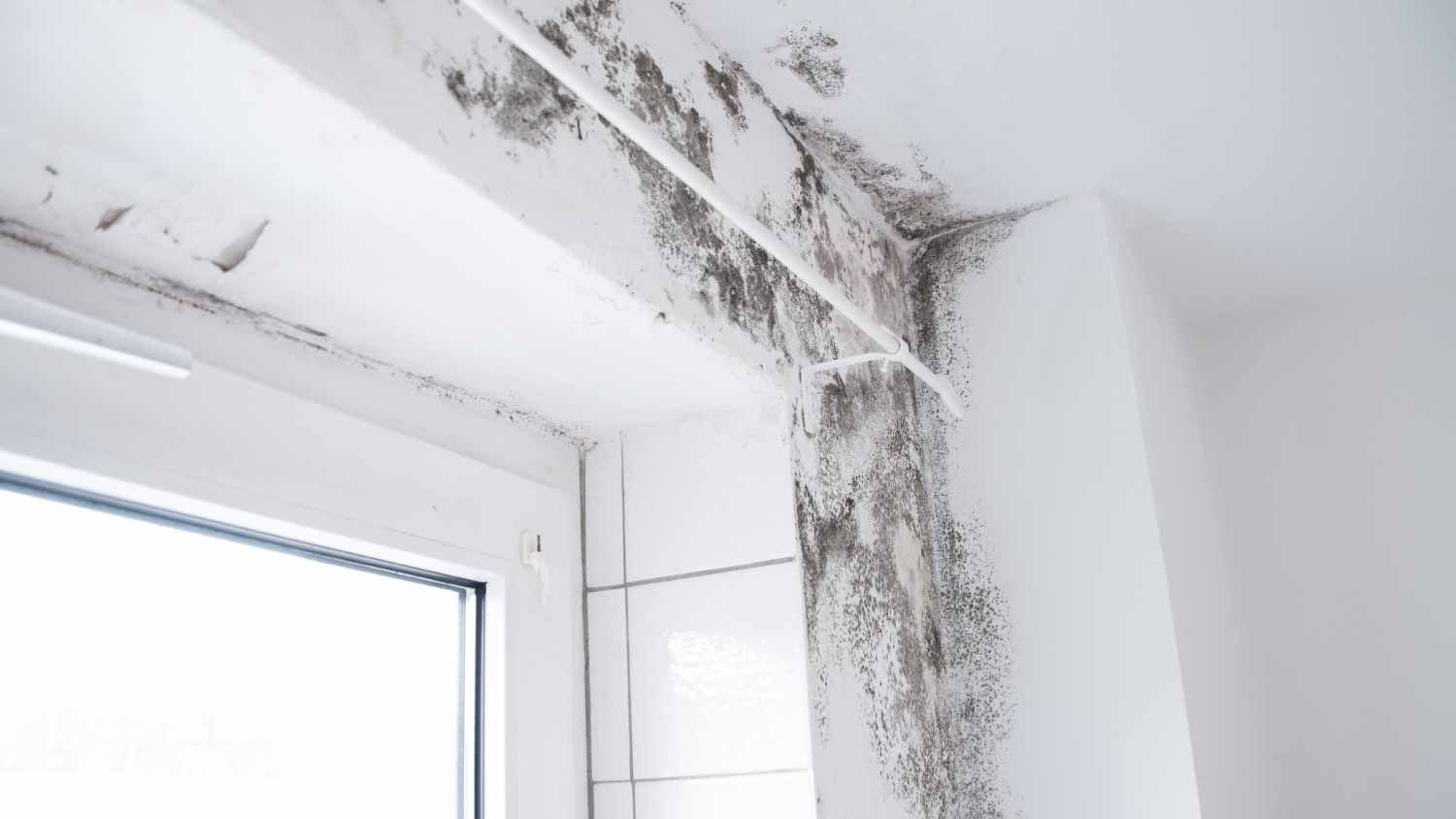
What does black mold look like? It has a dark color and may appear slightly fuzzy. Use this guide to learn about the variations in black mold’s appearance.
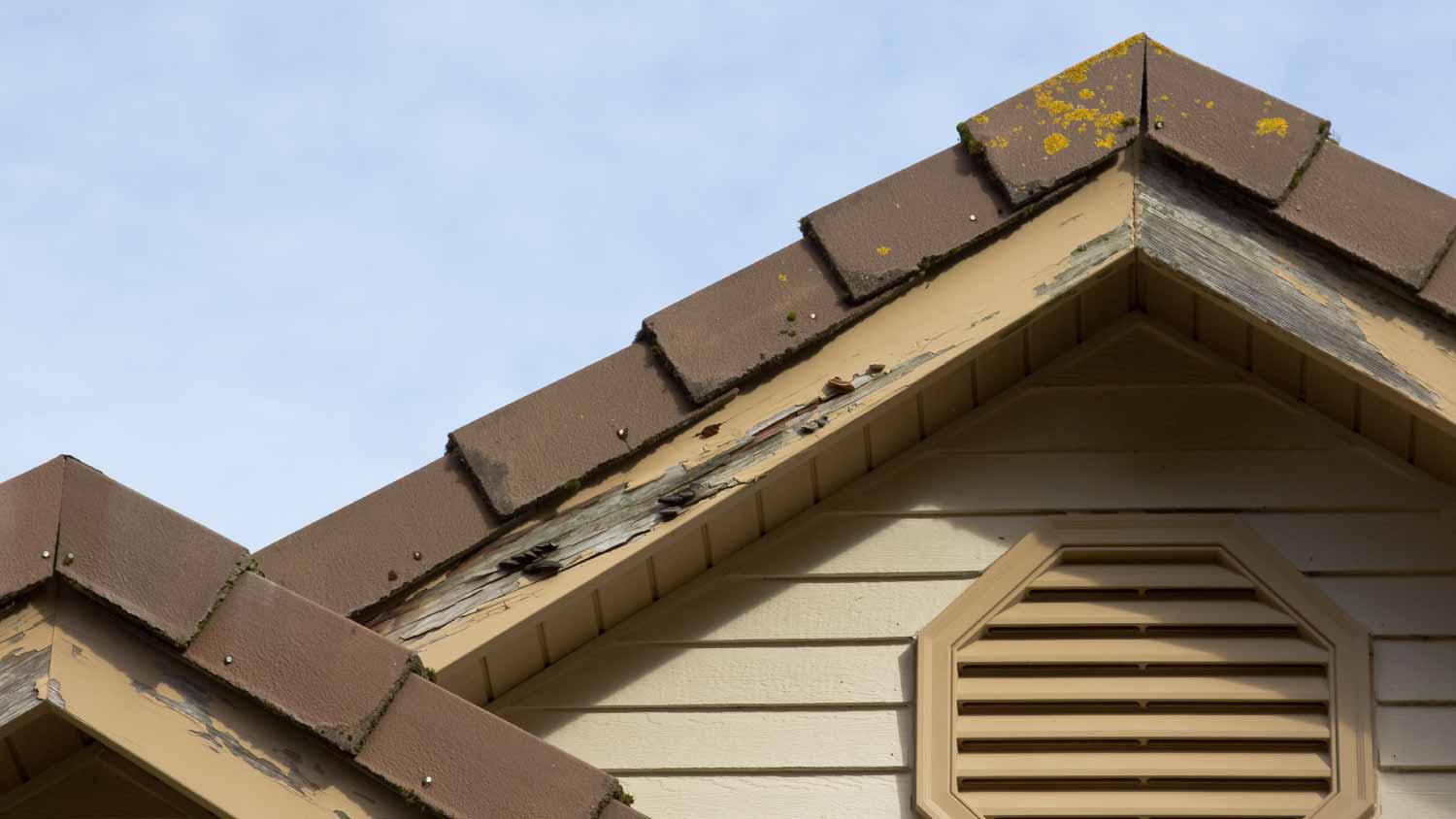
If you see mushroom-like structures on wood at your home, you likely have wood rot. Learn more about the two primary types of wood rot—dry rot versus wood rot.
Seeing a patch of black mold on your wall is scary. Learning how to get rid of black mold and knowing when to call for a pro is easier when you follow our tips.
The five primary types of wood rot are dry rot, wet rot, brown rot, white rot, and soft rot. Learn what causes them and how to identify them in your home.
Wondering how to stop wood rot from spreading? Use this DIY guide to stop wood rot in its tracks and minimize the damage it does to your home.