
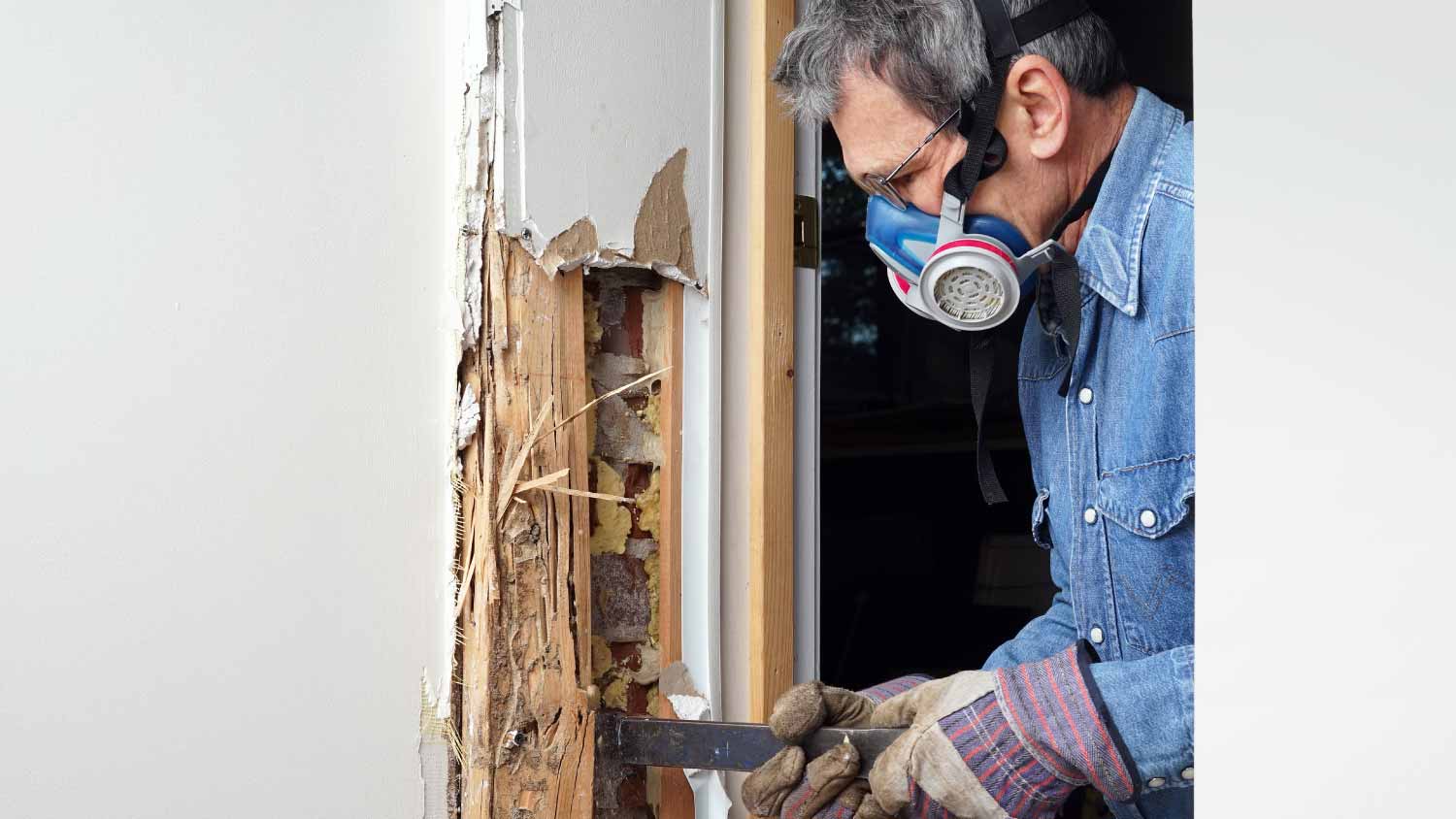
Termite damage repair costs can vary greatly based on the damage severity and location. Learn more about the associated costs of this project with our guide.
Water and termites are two of wood’s biggest enemies

In photos, your water-damaged wood shows square-shaped “cells,” while termite damage shows small, round holes and tunneling.
Water damage restoration costs an average of $3,800, while termite damage repair costs around $3,000, so addressing either issue quickly helps you avoid higher expenses.
Water-damaged wood feels soft and spongy to your touch, while termite-damaged wood feels brittle and can sound hollow.
Hiring a local water damage restoration professional provides support for stopping leaks, removing standing water, drying materials, and handling repairs.
Water damage and termite damage are two things that every homeowner hopes they never have to deal with. At first glance, the signs may look similar, but a deeper dive will help you uncover the root of the problem and keep your home from crumbling. In this guide, we’ll break down the differences between water vs. termite damage so you can plan a quick, effective fix.

Signs of water damage include buckling or swelling wood, dark spots on building materials, mold growth, musty odors, unusually high humidity levels, soggy drywall, and sagging insulation. On wood, water damage creates rectangular cells on the surface, and knocking on water-damaged wood makes a dense, solid sound. With termite damage, meanwhile, you’ll see circular holes or tunneling on wood and drywall, and you’ll notice a hollow sound when you knock on affected surfaces. You may also notice that wood is weakened to the point that you can puncture it with a screwdriver.
| Type of Difference | Water Damage | Termite Damage |
|---|---|---|
| Signs | Mold or fungus | Mud tunnels |
| Shape | Square-shaped “cells” | Small, round holes |
| Color | Yellow or dark | No discoloration |
| Feel | Soft and spongy | Brittle |
| Sound | Solid | Hollow |
| Smell | Musty odor | No odor |

It’s surprisingly easy to look at termite damage and wood rot from water damage and mistake one for the other. Both problems can cause paint to bubble and peel away from wood, but there are a few key differences in their appearance, namely shape, color, and signs of damage, that can help you identify the issue.
Water-damaged wood is characterized by a square-shaped “cell” pattern called cubicle rot. If it’s hard to envision, imagine the scales you’d see on an alligator’s back. Also called “alligatoring,” it usually starts as slight cracks before growing into wider and deeper patterns that look like alligator skin.
As termites eat their way through wood, they create small, round holes that are visible from the surface and look distinct from the rectangular pattern you’d see on water-damaged wood. You may also see cylindrical tunneling on the surface of wood where termites have fed.
Water damage on walls and wood can cause the areas to darken or become slightly yellow, while termite damage often causes little to no discoloration.
On the walls of your home, water damage and termite damage can look identical. The behind-the-scenes damage can cause bubbling or peeling paint; however, water damage typically presents with water stains as well, while termite damage can leave small holes in drywall where the pests ate through to the surface.
Houses are surrounded by tons of wood whether it’s in the walls, adorning a wooden entryway, or making up the landscape in the backyard. Extensive water damage on wood usually shows up as fungus and mold. Mold grows in a circular pattern with a fuzzy appearance. When checking for mold, the color can vary, but it’ll usually be white, green, or black.
Signs of termite damage include mud tunnels around the perimeter of your home. These are linear growths made up of dirt and termite droppings, or “frass,” that termites use to travel into your living space. On the termite-damaged wood itself, you’ll usually find circular holes and tunneling, and you may notice small piles of frass that look like piles of sawdust under the damaged area.
There are many things that can cause water damage, including a flood from an extreme weather event, water intrusion from a window or roof leak, an internal plumbing leak behind a wall, or even high levels of humidity in a poorly ventilated bathroom. Foundation leaks are another potential cause of water damage, which will leave you with symptoms of water damage in your crawl space or basement.
Termite damage, of course, is caused by termites, which are attracted to moisture and decaying wood. Termites may be drawn to an area near your home where wood is rotting, like a pile of firewood, a decaying tree stump, or even dead tree roots beneath the ground. Once they’ve consumed that wood source, they’ll often move inside your home to continue feeding. Even if you don’t have decaying wood near your home, termites can enter if you have a source of moisture inside, like a minor plumbing leak or a humid basement.
When you touch wood, the way it feels can indicate whether you’re dealing with water or termite damage.
Water damage weakens wood and its structural integrity, causing it to become soft and spongy to the touch. This can also be a result of dry rot, which occurs when airborne spores latch onto damp wood and begin growing. If you press on the wood and feel it give but not collapse, you likely have water damage.
Termites also cause significant wood damage, but they weaken the wood by eating away at the inside and hollowing it out. If you press on wood with minor termite damage, it will still feel hard and not be spongy. If there’s major termite damage, you may be able to stick a screwdriver through the wood, as it gets brittle with ongoing termite damage.
Knocking on wood does more than keep you from jinxing yourself. It’s an easy trick to identify the type of damage you’re dealing with so you can call the right professional to fix your problem.
Water-damaged wood doesn’t have an unusual sound, and it should sound solid. Because termites eat through your wood, there are likely multiple areas of wood missing. And when your wood is hollow, it’ll create a hollow sound if you knock on it.
Smell can be a decent indicator of water damage vs. termite damage, although they share some similarities, so you can’t use it as a standalone technique to confirm one over the other. Minor termite damage has no smell at all, but major termite damage can leave a musty odor behind. Water damage is characterized by a musty smell, too, but you’re more likely to experience an intense moldy odor rather than mustiness.
Fixing water damage and termite damage often requires extensive work at the hands of qualified professionals, but there are some differences in the process.
The first step in the water damage restoration process is to stop the leak or the source of water to minimize the water damage. A local water damage restoration company will then pump out standing water, vacuum up puddles, and run blower fans and dehumidifiers for 24 to 72 hours to dry everything out. Finally, the water damage restoration company you hire will remove unsalvageable materials and carry out repairs and replacements.
Water damage repair costs an average of $3,800, and most homeowners pay somewhere between $1,350 and $6,300.
The first step in repairing termite damage is to get rid of the termites. It’s best to hire a termite control specialist who’ll come ready with the right chemicals and tools to exterminate them and set up bait traps outside to prevent them from re-entering your home.
Depending on how long a termite colony has been eating its way through your home, the damage can vary from minimal to extensive. Minor damages can be solved with quick DIY projects that include cosmetic fixes like sanding, repainting, and refinishing affected surfaces. Extensive damages will require hiring a contractor to build or repair the damaged parts of your home. You may need major repairs if the termites damaged structural components.
Finally, you’ll need to figure out where the termites came from and get rid of whatever attracted them. If a termite infestation is affecting your trees, you’ll need to hire an arborist to conduct a tree inspection to see if you need to remove any from your yard. If the arborist recommends removal, a local tree debris removal service can handle the removal and disposal of the tree for you.
Termite damage repair costs an average of $3,000, and prices can range from $1,000 to $10,000, depending on the severity.
If you’re good people wanting to do business with good people, hire Matt. He is a consummate professional and utterly competent. He installed a water heater in my home at a price that beat competitors by hundreds of dollars with a promise to support the unit for its life (even after its 6 yr...
 Greene's Plumbing Services
Corey Carr was great. I had damage from a recent storm and needed to have my mast and other components replaced. The project entailed coordinating with AEP, and Corey helped make a stressful situation a lot less stressful. I really appreciated his dedication to service and the job very well done.
 Mr. Electric of Columbus
A reliable team for moves across state. My switch to a new place needed careful lifting through tight hallways. The movers checked the doorway first, then carried heavier pieces with slow, controlled movements. Their patience helped prevent damage, and I?d choose them again.
As usual with ECO, tech Jordan was outstanding, very professional, very knowledgeable, and very thorough with repairs made to tankless water heaters. Very highly recommend ECO!!!
 Eco Plumbers, Electricians, and HVAC Technicians
I would recommend this company to anyone! He showed up on time, was friendly, completed a very difficult repair on our dryer vent cover, was responsive, and pricing was extremely fair and competitive. I would have him back to do any of our repairs or cleanings without hesitation!
 U.S.A. Dryer Vent, LLC
Everything from initial contact to completion was absolutely top notch. We contacted the business during off hours to leave a message, and the owner still reached out to feel out the issue within minutes. We were scheduled and repaired within 48 hours. I cannot say enough about the...
 Supreme brick & chimney
Ace Fireplace Services came to the rescue for my chimney repair. They were quick to pinpoint the issue and worked their magic to fix it. My chimney is now in excellent shape, and I'm a satisfied customer.
 Ace Fireplace Services
On Sunday 2/26 I requested quotes via Angi from 4 refrigerator repair businesses. Northwest Appliance responded to me Monday morning (2/27) and my refrigerator was repaired by noon the same day. Great communication, they did everything they said they would. The technician had the parts on...
Great experience all together. Dog friendly, courteous, great results and honest with recommendations. Will certainly be using Cardinal in the future for any carpet repairs
 Cardinal Carpet Care & Repair
Did a great job replacing the ice maker and water regulator on my refrigerator. He was quick and thorough, very friendly and professional. If I needed a heart transplant I'd want him to do it!!!
From average costs to expert advice, get all the answers you need to get your job done.
Termite damage repair costs can vary greatly based on the damage severity and location. Learn more about the associated costs of this project with our guide.

Water damage restoration costs depend on the severity of the problem, the type of water, and the length of time the damage has been occurring.
Water damage restoration costs in Dallas, TX, depend on the severity of the problem, the type of water, and the length of time the damage has been occurring.
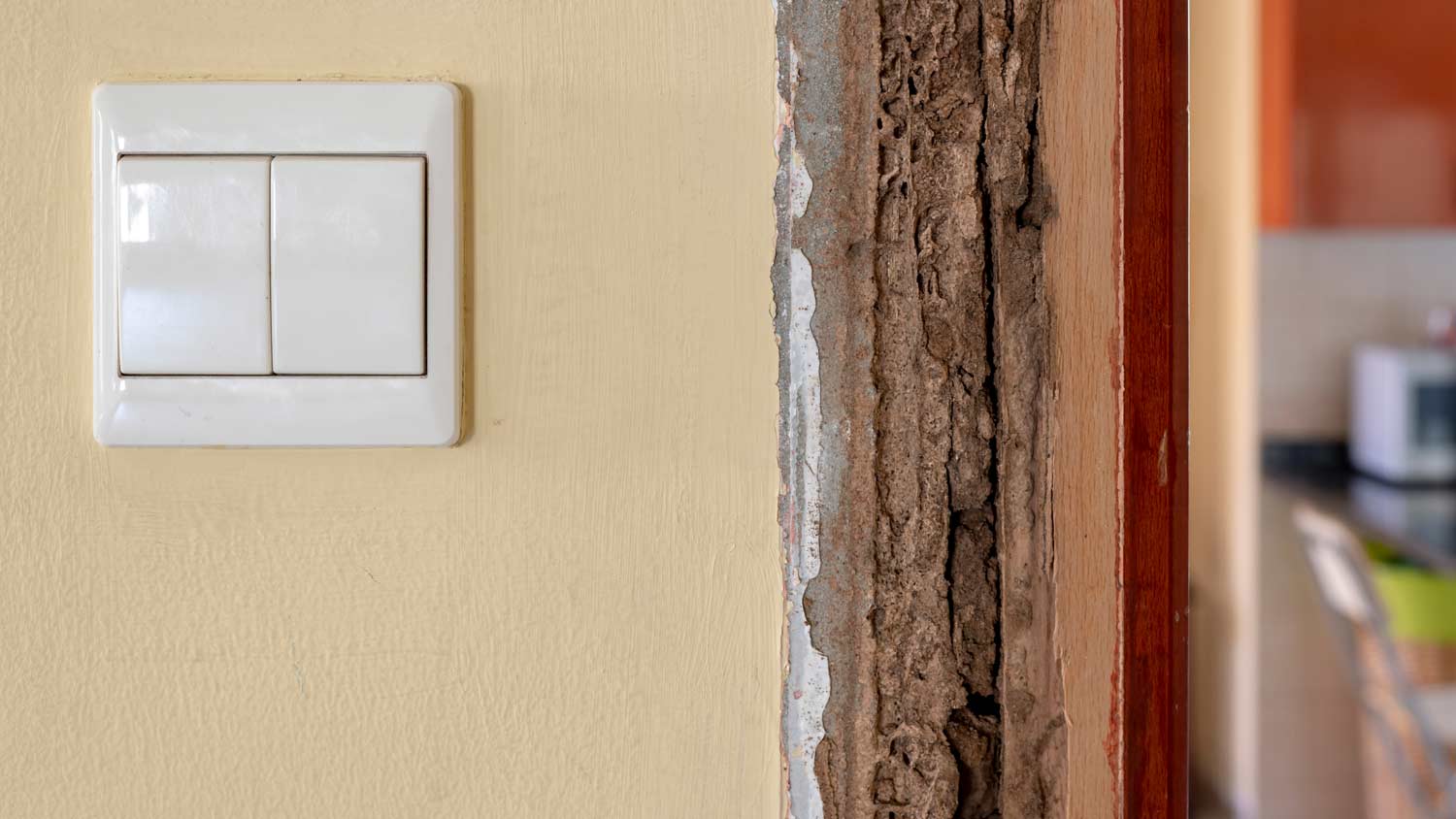
Knowing how to tell the difference between termites and wood rot is essential for hiring the right pro and treating the problem before it’s too late.

Termites often cause major damage before they’re discovered, but there are ways to restore your home. This termite damage repair guide reviews your options.
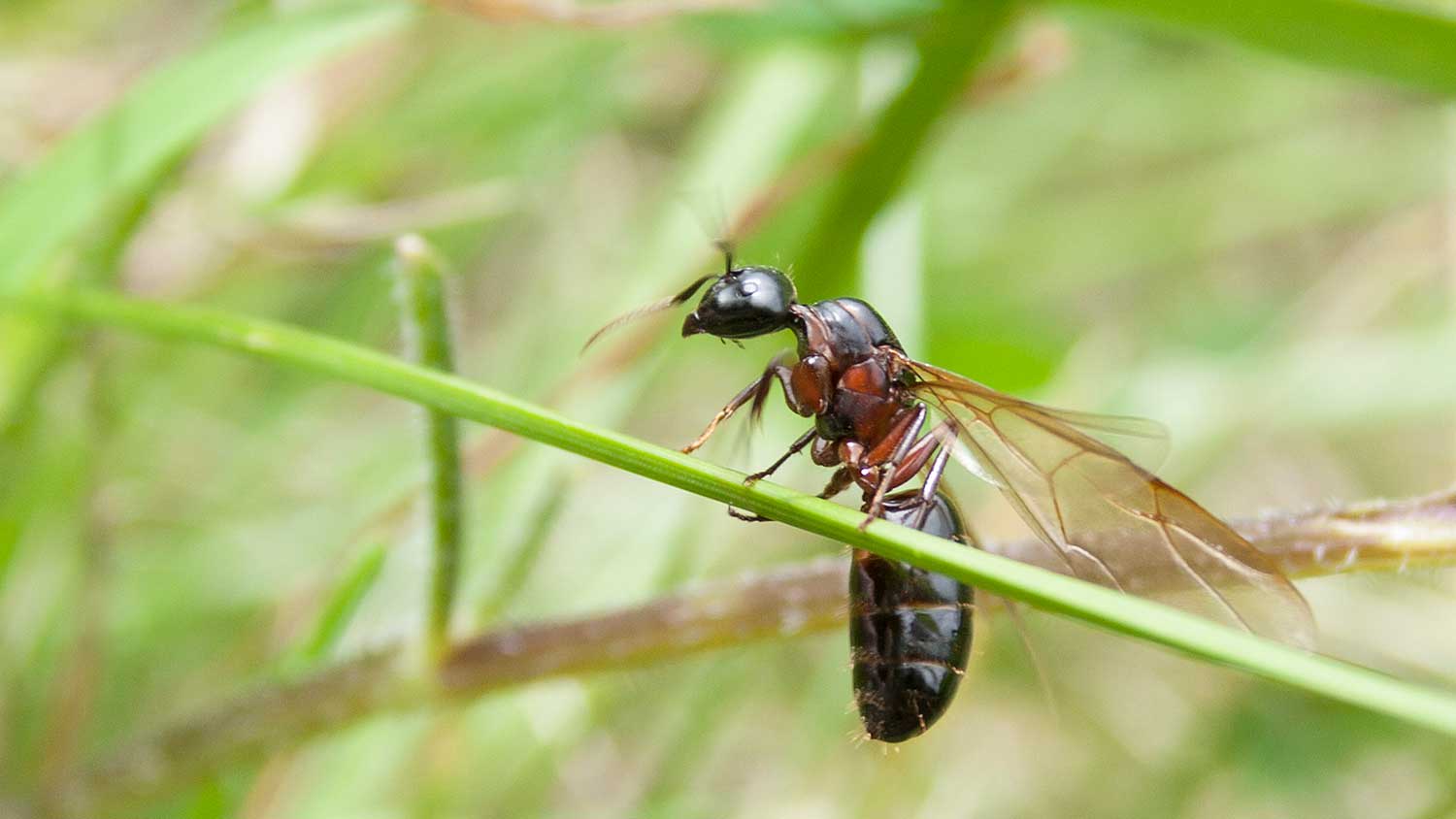
Flying ants and termites are winged insects that are attracted to wooden structures. Find out the key differences between flying ants vs. termites.