
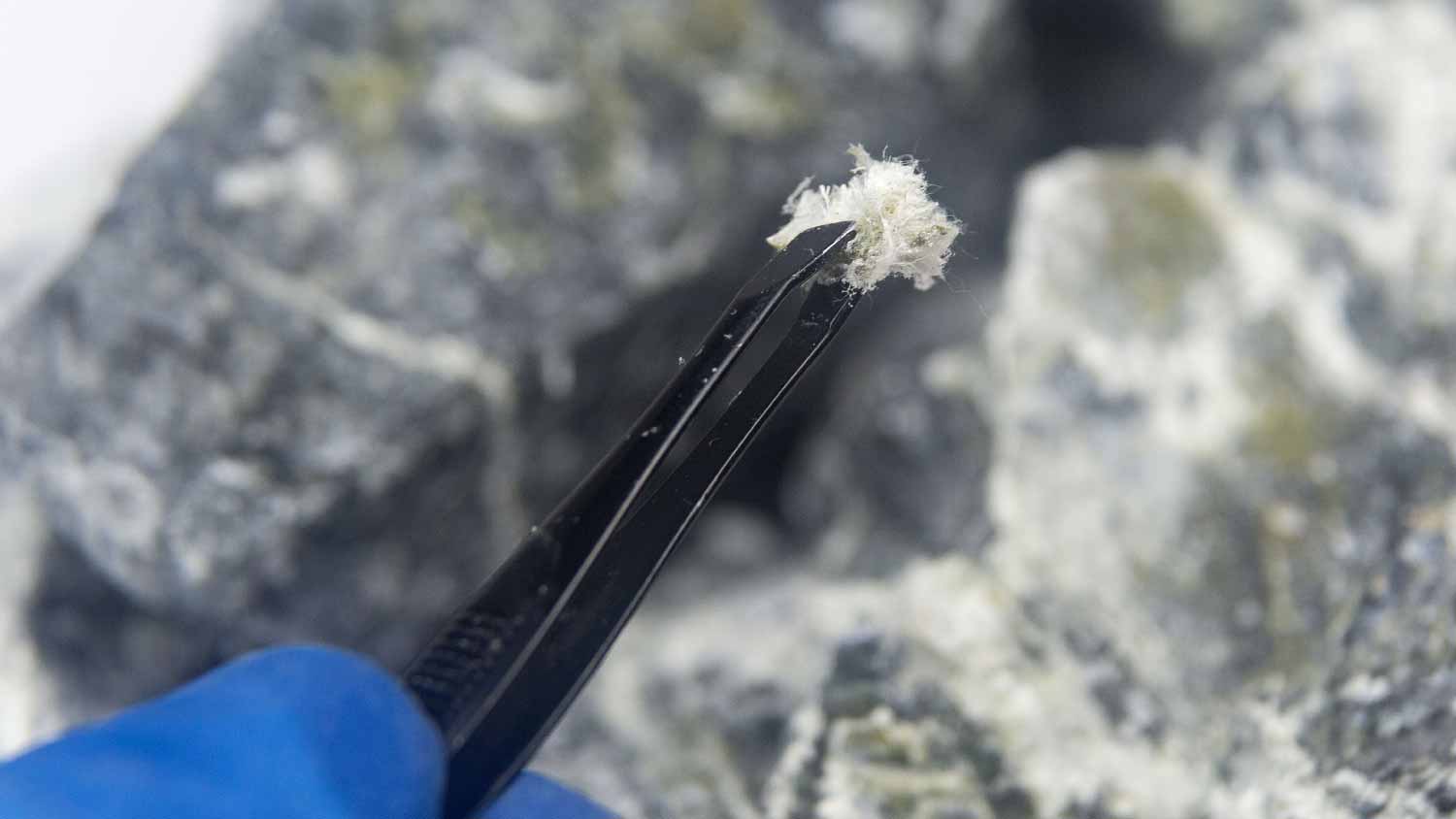
What does asbestos look like? It may be harder to spot asbestos than you think. Read on to learn more about this invisible home hazard.
This potentially dangerous mineral fiber can be a cause for concern in older homes

The definition of asbestos identifies it as a fibrous mineral once used in insulation and building materials before the 1980s that poses serious health risks.
Typical costs range from $230 to $782 for professional asbestos testing and $450 to $6,000 for removal, depending on your home's size and the extent of contamination.
You can manage asbestos in your home by leaving undamaged materials alone, encapsulating them with special sealants, or arranging for complete professional removal.
Hiring a local asbestos testing professional provides peace of mind through accurate laboratory testing and safe handling, protecting your family from exposure to harmful fibers.
Older homes come with plenty of charm. But if your home was built before the 1980s, asbestos could be lurking in the walls, ceilings, tiles, and other areas. But what is asbestos, exactly? This fibrous mineral was used prolifically in insulation and other commercial products before the 1980s. Learn more about asbestos, how to identify it, and what you can do about it.
Asbestos is a fibrous mineral that is found in rock and soil. This mineral is known for its strength and resistance to heat—qualities that led to it being widely used in commercial products and building materials for insulation and as a fire retardant. As they age, products made with asbestos can release microscopic fibers. Undetected, these fibers can linger in the air for days after the initial disturbance, ready to enter human lungs when inhaled. The fibers can go deep within a person’s lung cavity, lodging in the lung tissue. Over time, these fibers can cause lung cancer, lung tissue scarring (asbestosis), and cancer of the lung cavity lining (mesothelioma).
Although asbestos is no longer mined in the U.S., it is not completely banned. In fact, the material still lingers in some products and materials often found in structures built before 1980, according to the United States Environmental Protection Agency. In 1989, the Environmental Protection Agency (EPA) pushed for a partial ban on manufacturing, importing, processing, and distributing some asbestos-containing products. New asbestos products were also prohibited from entering the marketplace.

When was asbestos used in homes? If your home was built before 1980, there’s a good chance that it could have lingering asbestos. It’s helpful—and smart—to be aware of the spaces throughout your home that may have asbestos. Where is asbestos found? Here are some common areas where asbestos may have been used:
Roof materials (i.e., shingles)
Siding
Laminate flooring
Furnace and boiler
Insulation for old electrical wiring
Fireplaces
Pipe insulation
Wallboard
Wallpaper
Insulation used in walls and ceilings

Older homes are more likely to contain materials with asbestos, and data from Angi customers shows that 78.1% of homes that needed asbestos removal were built before 1978. Only 12.4% of homes needing asbestos removal were built after 1978. If you have an older home, preventative asbestos testing by a professional abatement company is a smart, safe choice.
The good news is that asbestos doesn’t become airborne just by having it in your home. Someone or something must disturb the material that contains the asbestos to make the fibers airborne and dangerous.
Some of the actions that can cause asbestos fibers to enter the air include:
Remodeling
Construction
Home repairs
Physical impacts
Water damage
Severe vibration
Scraping
Covering
Puncturing
Painting over it
When disturbed, asbestos doesn’t make dust like you might expect. Instead, it breaks into microscopic fibers that can hang in the air for a few days. You cannot see, feel, or smell these fibers, and you won’t know if you inhale them.
The three most common types of asbestos that appear in residential and commercial properties come in distinct colors. Homeowners should also periodically check for water damage, as well as tears and abrasions on the material. But, according to the EPA, there’s only one way to confirm that a material has asbestos: have it tested by a qualified laboratory.
When tackling this issue, it’s important to answer: “What does asbestos look like?” Knowing what asbestos looks like can help keep you alert and safe. Three types of asbestos are usually found in commercial and residential buildings throughout the United States:
This asbestos, which is brown, was widely used in insulation boards and ceiling tiles. Amosite, which was the second most-used asbestos, poses the greatest risk of cancer out of all of the types.
This white asbestos is the most commonly used type, appearing in everything from roofs and ceilings to walls and floors.
Blue in color, this is the most hazardous type of asbestos. It was used in spray-on coatings, plastics, and pipe insulation.
You can test for asbestos on your own by buying an asbestos testing kit at a local hardware store or online. However, it can be dangerous to run a test yourself because you must disturb the materials to scrape off a sample piece.
By the time you buy all the protective gear you need along with the kit, you may find it more cost-effecitve to simply hire a professional to do the testing for you. Who do you call to check for asbestos? A local asbestos testing company can do this work for you.
If you have asbestos, a local asbestos abatement pro will conduct an asbestos inspection (also called an asbestos survey). A survey, which confirms the presence of asbestos, includes several elements, such as air testing, duct sample testing, and physical sample testing. Typically, asbestos testing costs will range from $230 to $782. The final cost for an asbestos survey will depend on other factors, ranging from your property’s size and condition to your geographic location. If the survey results come back positive for asbestos, it’s best to arrange for it to be managed or removed.
If an asbestos survey confirms that there’s asbestos in your home, you should remove it for safety and other reasons. Does asbestos affect home value? Having asbestos can affect the value of a home because you must disclose the presence of asbestos to any potential home buyers, who may then reduce the amount they offer.
It’s often easier to remove it through abatement than to have to disclose its presence. Asbestos abatement is the process of managing and removing the asbestos material from a home or building.
The EPA recommends dealing with asbestos in one of three ways:
If the material is in good condition, it most likely will not pose a health risk. However, it’s still a best practice to keep children away from the material.
This process would include leaving the material in place and binding it through enclosure or encapsulation, which would prevent the asbestos fibers from being airborne. For example, floor tile with asbestos could be enclosed by covering it with new flooring.
If the material is damaged or could be disturbed by a home renovation project, consider removing it. This process can be complex and time-consuming. Asbestos removal costs range from $450 to $6,000, depending on the selected removal process, the amount of asbestos, and the space size.
To eliminate the asbestos problem, you have the option of covering it with paint or concrete. You can’t just buy any gallon of paint at the local hardware store to cover it, though. You must use a product that works as an encapsulating material. The right material keeps the asbestos fibers from becoming airborne in the future.
While performing the encapsulation process, you could disturb the material and create airborne asbestos fibers. If you want to do this work yourself, you must wear protective equipment and take precautions. For peace of mind, you can hire an abatement professional who has experience with encapsulating asbestos materials.
Asbestos can be dangerous, so it’s best to hire a pro to remove it from your home. However, if you are considering taking a DIY approach to handling asbestos, follow these precautions:
Seal off the work area with plastic sheets.
Turn off the air conditioning and furnace to avoid spreading asbestos fibers.
Wear proper gear, including disposable coveralls, gloves, and a respirator with a high-efficiency particulate air (HEPA) filter.
Keep asbestos materials wet by using a pump sprayer.
Meticulously clean your work area with disposable wet wipes and a vacuum cleaner, preferably with a HEPA filter.
One of my old tall evergreen trees was suddenly leaning toward the busy street in front of my house. I submitted a request for an emergency tree inspection, and Alejandro, owner of Cajete Tree Service, contacted me immediately and arrived to look at it just 20 minutes later. We agreed the...
 Cajete Tree Service LLC
Terrible experience. Walls/trim/floors/cabinets/doors all have drip marks, overspray, etc. Tiling at the fireplace had to be redone by another vendor due to incorrect and shoddy install by Profect. Contractor had his children in our house while he was on site without prior authorization or...
 Profect painting & exteriors
Lyle did a great job removing asbestos shingles from our front porch roof. They worked together with our roofer to make sure that the new roof was able to be installed on the same day that Lyle removed the asbestos shingles.
 Lyle Environmental
Involved an extensive bathroom remodel, including removing tub & installing walk in shower, new drywall, custome tile work to ceiling, plumbing, etc. Overall, job was done on time and on budget. Nick & his team were very professional and had high attention to detail. Quality was great. Highly...
 Stamos Flooring and Remodeling LLC
A team of 2 spent 5 hours, cleaning top to bottom (removed all light fixture and cleaned.... impressive!!!)
 Luzia's Cleaning
Great Job!!! Martin called me after I requested a estimate on Home Advisor. He was very professional and actually went the same day and looked at the tree I needed removed gave us a estimate and I felt it was very aggressive so I did not even call for any other bids. I asked him how soon he...
 Reyes Tree Service LLC - Home Facebook
Mike and his crew did a great job working through a very challenging task. The job required a full demolition of our ceiling, removing the blown in insulation and removing all the material from the site daily. It involved multiple inspections from the city and many challenges to get the...
 Rising Height Unlimited
Removed various items (furniture, lamps, other junk) from my home. They were on time, personable, professional, etc. I can't say enough positive things about this company. <br />
The task proved more difficult than anticipated. When they arrived the first day, they had no tools with them at all, and had to make a run to purchase appropriate tools. It was quickly determined that the paper had to be steamed off, and neither the workers, nor the company itself, had...
 ABS Interiors of Mid-Ohio LLC
We needed them to do extra work to remove existing wallpaper, and provide full primer and painting/trim work around existing furniture etc, during a move-in period. They did everything top-notch with minimal mess. They were always extremely on time, and very professional. They also cleaned...
From average costs to expert advice, get all the answers you need to get your job done.
What does asbestos look like? It may be harder to spot asbestos than you think. Read on to learn more about this invisible home hazard.
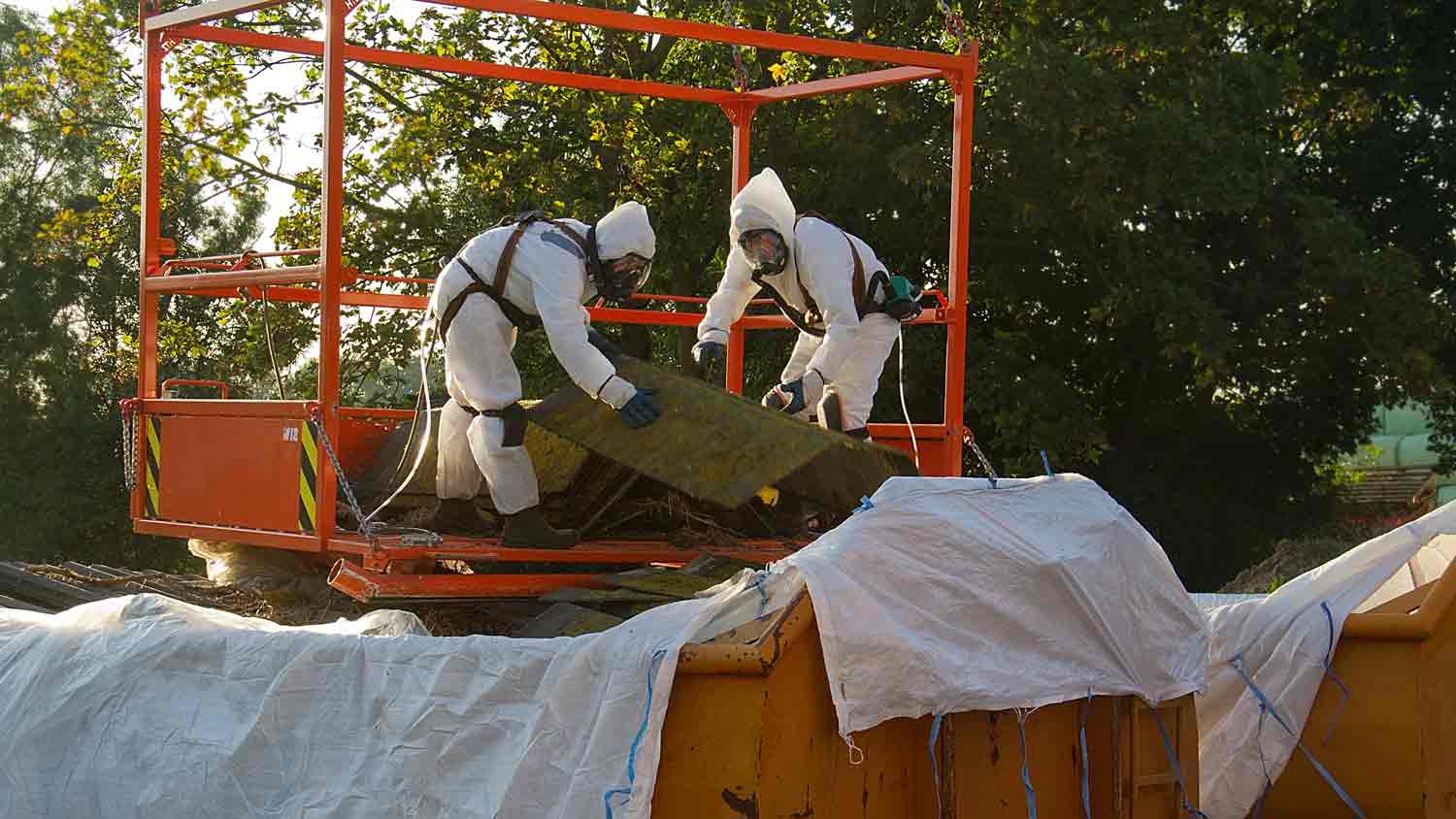
What is asbestos abatement? Learn about the key method to preventing the spread of asbestos in your charming mid-to-late 20th-century home.
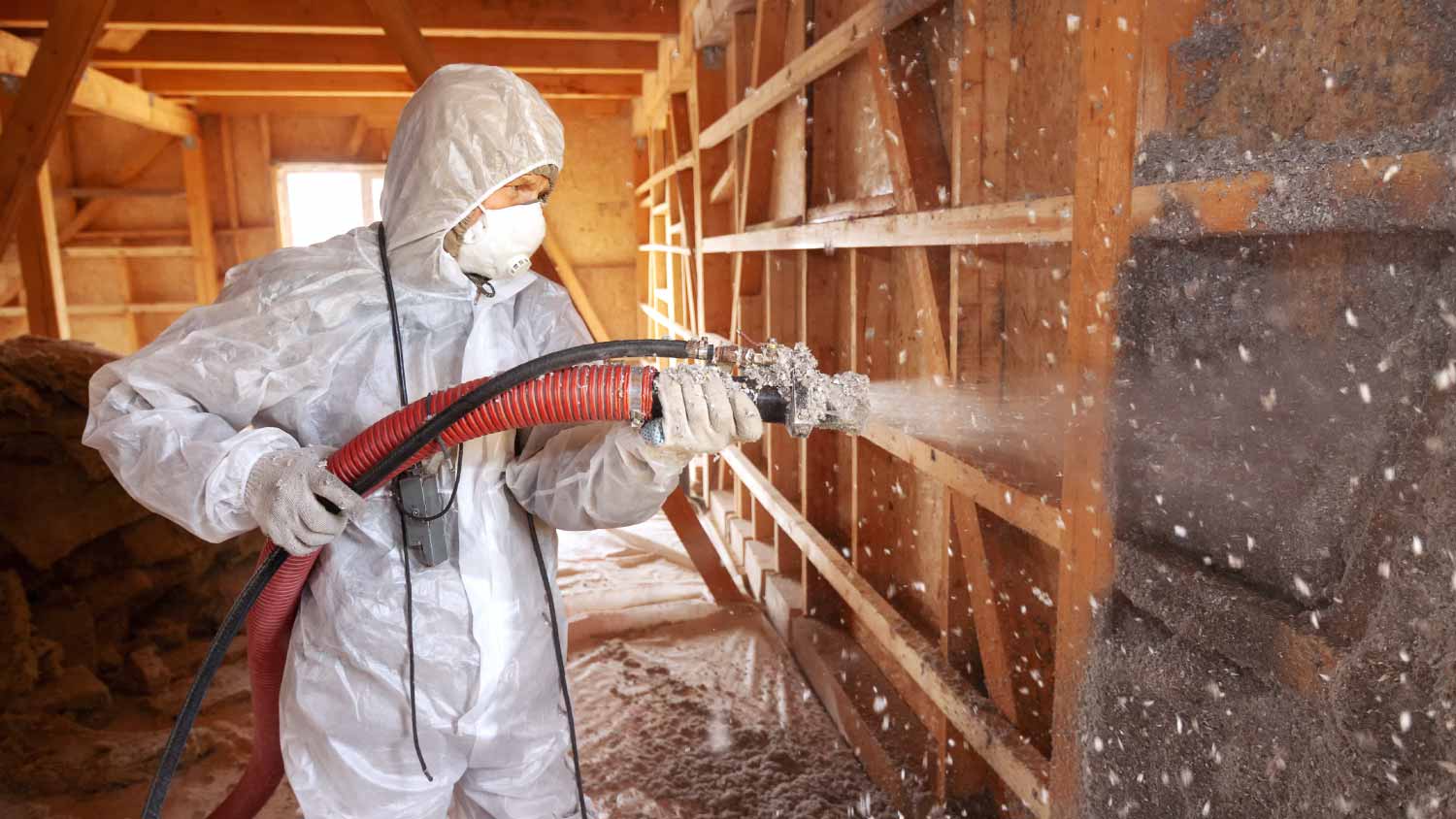
Asbestos insulation can vary in appearance depending on the type.Knowing what asbestos insulation looks like can keep you and your family safe.
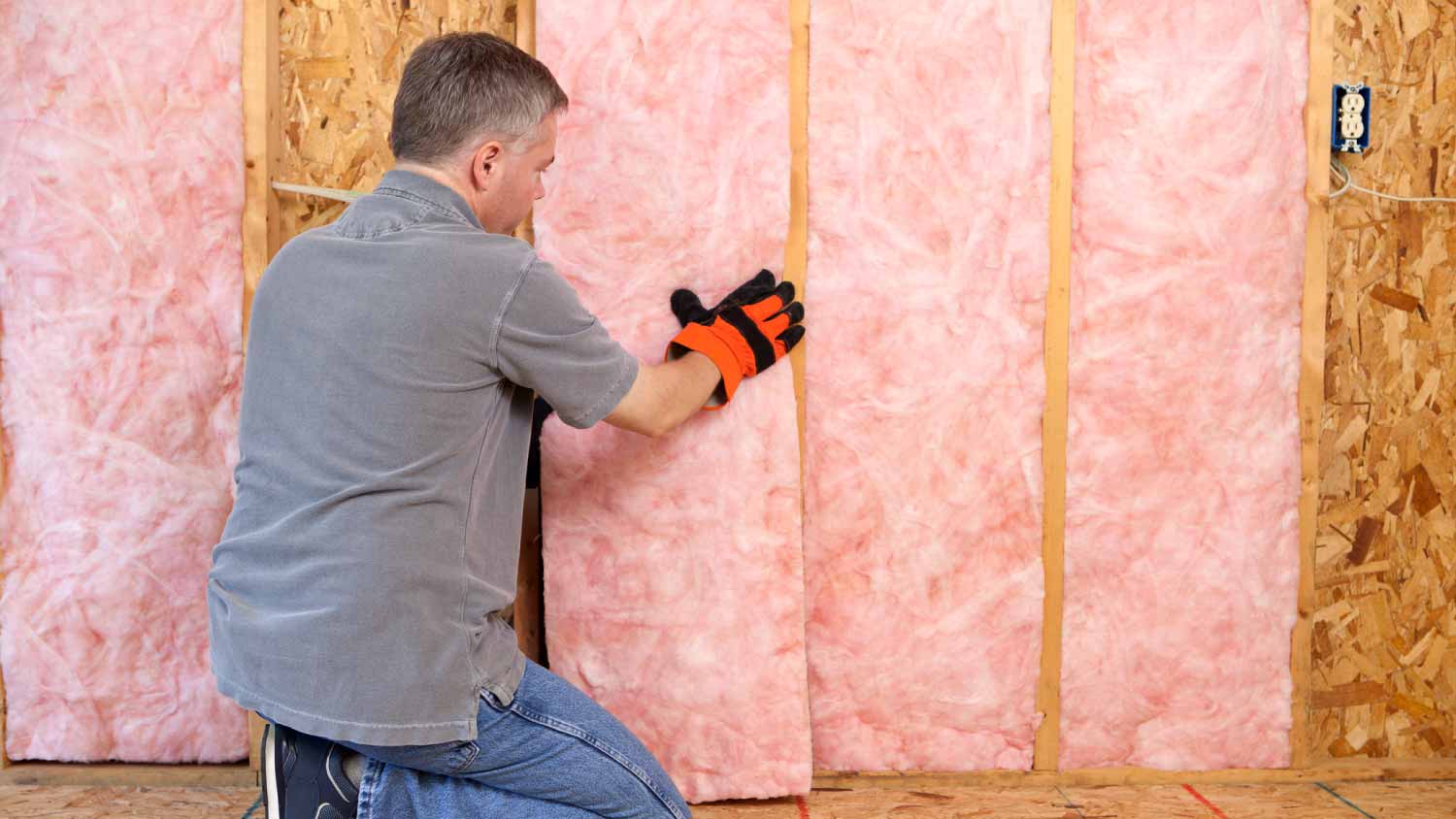
In home construction, is there really a difference between asbestos vs. fiberglass? In short, yes, and you'll learn why the difference is significant.
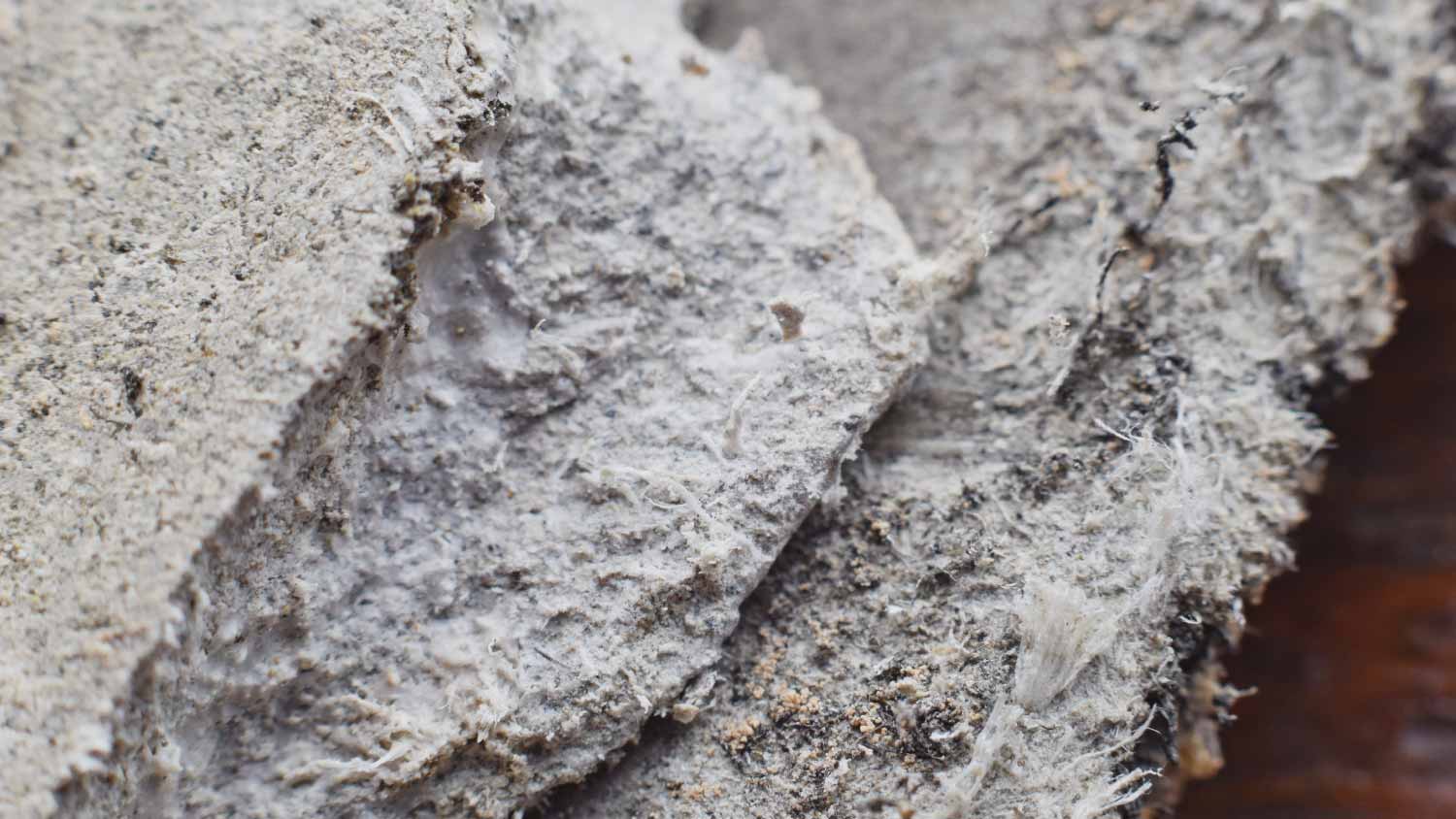
Your home may contain asbestos, but don't panic. Learn where asbestos is found, and what you can do about it to protect yourself.
If you believe you have black mastic asbestos in your home, do not disturb it. Reach out to a professional for help with testing and removal.