
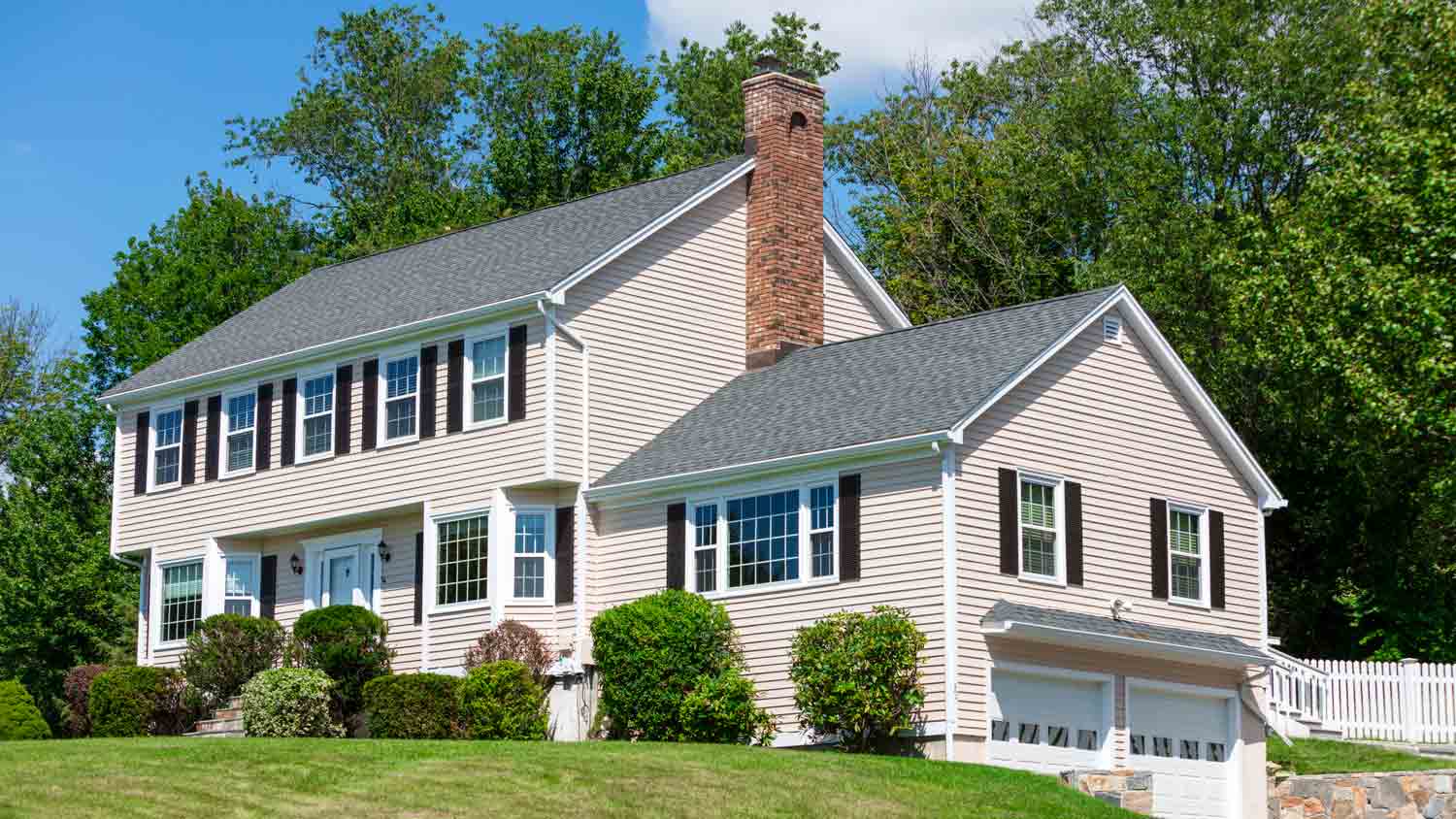
Gable roofs are incredibly popular, but what is a gable roof? Learn everything about one of the most versatile—and classic—types of roofs.
Gable roofs win the national popularity contest hands down, but there's a reason you won't spot them in Hurricane Alley


Gable roofs slope on two sides and meet at a central ridge, creating a simple triangle shape that handles rain and snow well.
Your gable roof performs best in northern climates but faces challenges in high-wind areas, where powerful gusts can catch underneath the extended eaves.
Proper construction matters for your home because poorly supported gable roofs can collapse, so working with a qualified architect keeps your structure safe.
Hiring a local architect professional provides reliable guidance on gable roof design and ensures your roof meets structural requirements for your specific location.
Think back to when you used to draw houses in elementary school. If you recall sketching a triangle on top of a square and adding a little chimney, you depicted a gable roof without even realizing it. As the most common roof style in the northern United States, gable roofs have both their advantages and disadvantages, and it's best to consider both sides before buying a home or breaking ground on construction.
The gable roof style came from the ancient Greeks, but it has stood the test of time around the world ever since. This sturdy, practical, and easy-to-build architectural element now weaves its way into some of today’s most common home styles. Colonials, ranches, and craftsman houses all feature a variety of gable roofs.
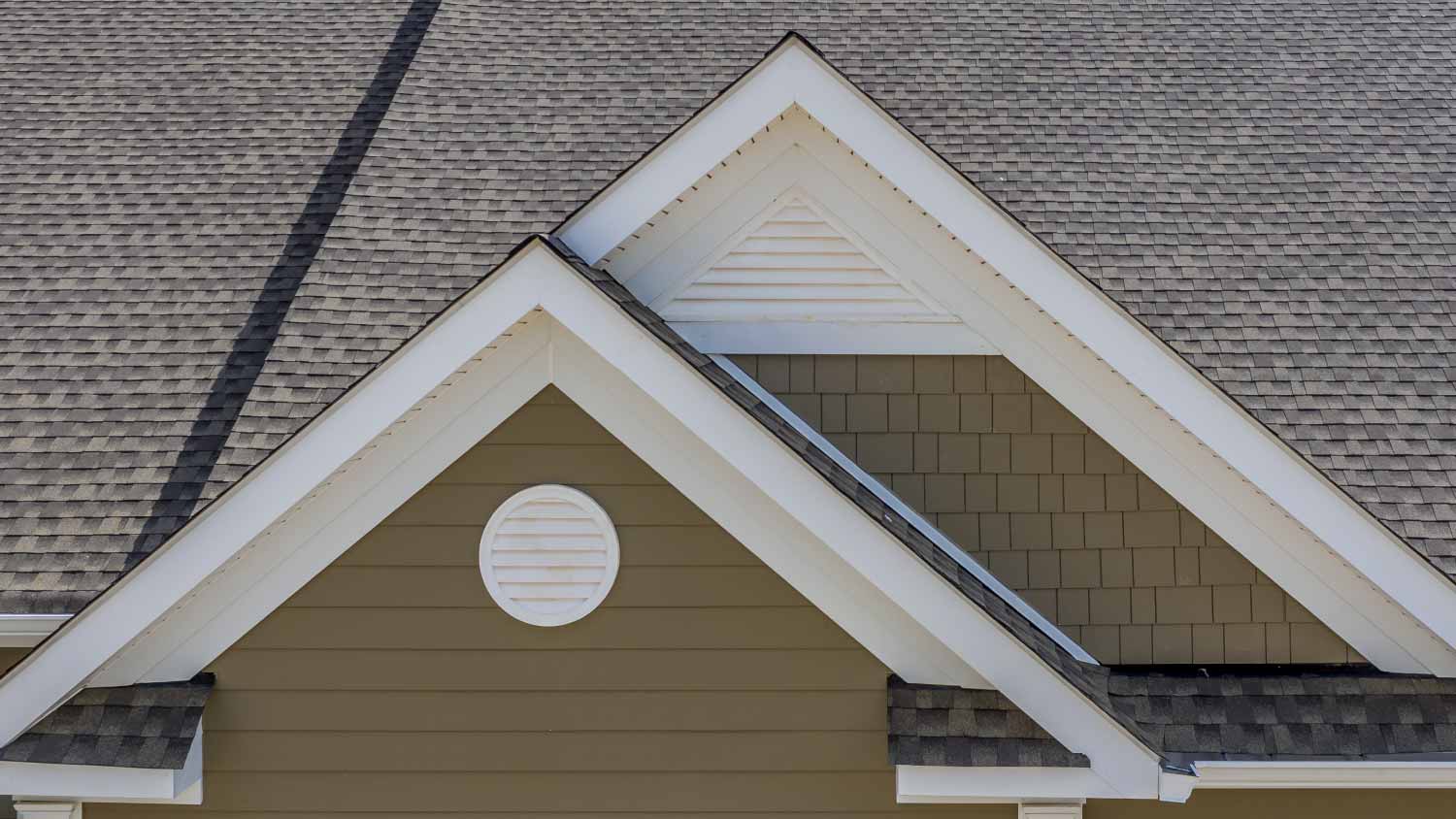
Essentially, a gable roof, or gabled roof, connects at the highest point at a ridge and slopes down on either side. When you face the side where the two slopes come together, the facade forms a triangle. For comparison, hip roofs meet at a ridge as well, but slant down on all four sides.
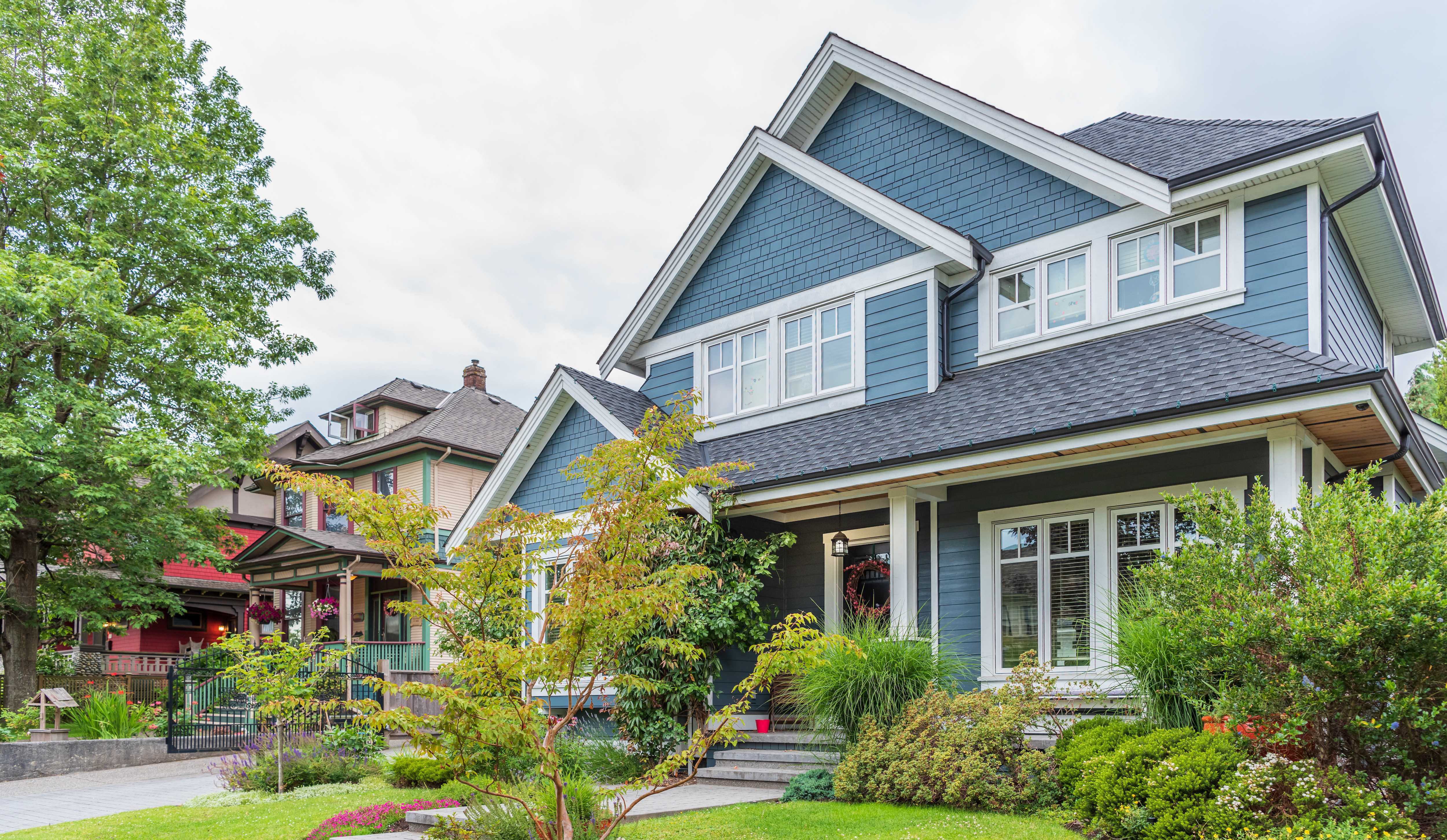
Gable roofs are the go-to roof of choice today in areas of the country without the threat of frequent hurricanes or tornadoes, which includes the majority of the northern half of the U.S. Gables either face front, to the side, hang over patios, or even stack on top of one another for an extra touch of style.
Gable roofs are not, however, best for every home.
“Property owners should consider their geographical location as well as the advice of a reputable contractor when deciding if they should go with a property that will have gable roofs,” says Eric Gonzalez, Angi Expert Review Board Member and President of Regions Commercial Roofing.
Let's look at some of the pros and cons of choosing this popular variety.
Gable roofs have a much steeper slope than other popular roof designs. This style naturally sends water, snow, and other debris rolling down the roof with ease, which is crucial for a roof's longevity. The less time water hangs out on your roof and in your gutters after a storm, the less chance it has to damage shingles, grow mold, or attract pests.
On the other hand, you won't spot as many gable roofs in Tornado Alley or hurricane-prone areas—and for good reason. Gable roofs typically include longer eaves that sit at extreme angles compared to the base of the house. Powerful winds can catch underneath the roof and either damage or pull the roof off altogether.
You're more likely to find hip roofs made of strong materials like clay tiles, metal, and fiberglass in these regions. Most importantly, they'll typically feature less overhang to keep it from catching the wind.

While the price of a roof widely varies based on the material used, gable roofs comparatively cost less to construct. Their easy construction makes them quicker and less expensive to put together than hip roofs.
The high slope of the roof and necessary strength of the roof ridge, or the top of the roof where the two sides meet, make this a dangerous option when improperly built. While the construction is quite simple, it's more crucial than other designs to work with a highly qualified architect in your area. When not correctly supported, gabled roofs can collapse in on themselves.
Attics provide far more than a place to store old holiday decorations. Gable roofs offer extra space for an attic and often include ridge vents, which are specifically designed vents for controlling moisture and temperature in your home. With the proper venting, attics help control the overall temperature of a home, both by keeping hot air away from your living space in the summer and keeping it inside in the winter.
However, here's another scenario for the disadvantage list. Let's say you're looking to finish your attic to turn it into an extra bedroom, home office, or even a rentable apartment. A gable roof will add sloped ceilings to the top floor, much more so than roofs with a less severe slope. Sloped ceilings can have an unintended cave-like feel, and you may run the risk of bumping your head on the slanted walls.
Adding dormer windows or installing skylights can open up the space.
Personalization is one of the top perks of a gable roof. There's a reason why you'll spot gables on everything from Victorian homes to modern ranches. First of all, the gable, or the triangle below the ridge, can face in one of several different directions. For example:
Front gables face the street, with the two sides sloping toward the side.
Side gables place one of the sloped roofs facing the street with the gables to the side.
Cross gable roofs include more than one of these options, with the two intersecting perpendicularly.
Box gables separate the roof from the rest of the house by completing the bottom of the triangle, or "boxing it in" in a sense.
You can also choose from a wide range of shingles for your gable roof. However, due to the roof type's vulnerability to high winds, choosing a shingle that stands up against harsh weather is best, such as a highly-rated asphalt option.
Since gabled roofs are more prone to wind damage, you may end up calling your local roofer on a more regular basis than with a flat or hip roof design. Even if you live in an area without a harsh hurricane season, the occasional storm could lead to more frequent shingle replacement, resealing around dormers and chimneys, and cracked flashing.
So, what's the verdict? Are gable roofs the best option for your home? Their many advantages make them a common pick for a reason. It's important to note their occasional disadvantages—such as weather-related damage and the threat of poor construction—especially if you plan to move to a high-wind area.
If you're embarking on new construction, speak with your roofing contractors about the unique options gable roofs offer, no matter your preferred look.
Mitchell and the crew were top tier i am so happy with my new roof
 Home Genius Exteriors
D1 Roofing delivers outstanding service from beginning to end, backed by a strong warranty and expert teams. I highly recommend them for their excellence in meeting and surpassing expectations with unmatched communication. Choosing D1 Roofing was flawless decision
 Division 1 Roofing LLC
This place took $25,000 for a flat roof job with a five-year warranty and never returned to fix the leaks that were caused by their work. These people are not professionals and should not be doing this type of work. They incorrectly changed the pitch of the roof, and caused more damage than...
The technician was very professional and friendly. He answered all my questions and was very thorough. He left the fireplace area very clean . He inspected from the roof and advised me as to other work that might need to be done. There was no pressure there. I was very satisfied with the...
 Supreme brick & chimney
I am really impressed with their timeliness and turnaround. Mitchell came out, and we decided to move forward with their pricing. Our roof was on within a week, and we could not be happier with their team! Amazing company, great prices and honest, dependable craftsmanship. I highly recommend...
 Window Depot USA of Central Ohio
Manuel Calvillo is the best option in the area for roofing and you won't be disappointed.
They damaged multiple items on my property, including a marble slab used as a table top, tried to hide it, and refused to pay or replace. Arrived day one without a ladder to access roof & delayed a day. Left a mess in back yard; didn't wear face masks; no show by owner to property to see damages
 Grants Tree Service
I've hired Gary/Cherokee Roofing for two different homes, work quality, responsiveness, and completion have been great both times. And the prices quoted were very competitive. I would definitely hire again.
Lyle did a great job removing asbestos shingles from our front porch roof. They worked together with our roofer to make sure that the new roof was able to be installed on the same day that Lyle removed the asbestos shingles.
 Lyle Environmental
Bradley Builders did a good job replacing the roof on our front porch. They color-matched the existing shingles on the rest of the house and installed a metal ridge roll since we live in a historical neighborhood. They did the job while we were out of town. When we got back, everything was...
 Bradley Builders, Inc.
From average costs to expert advice, get all the answers you need to get your job done.
Gable roofs are incredibly popular, but what is a gable roof? Learn everything about one of the most versatile—and classic—types of roofs.
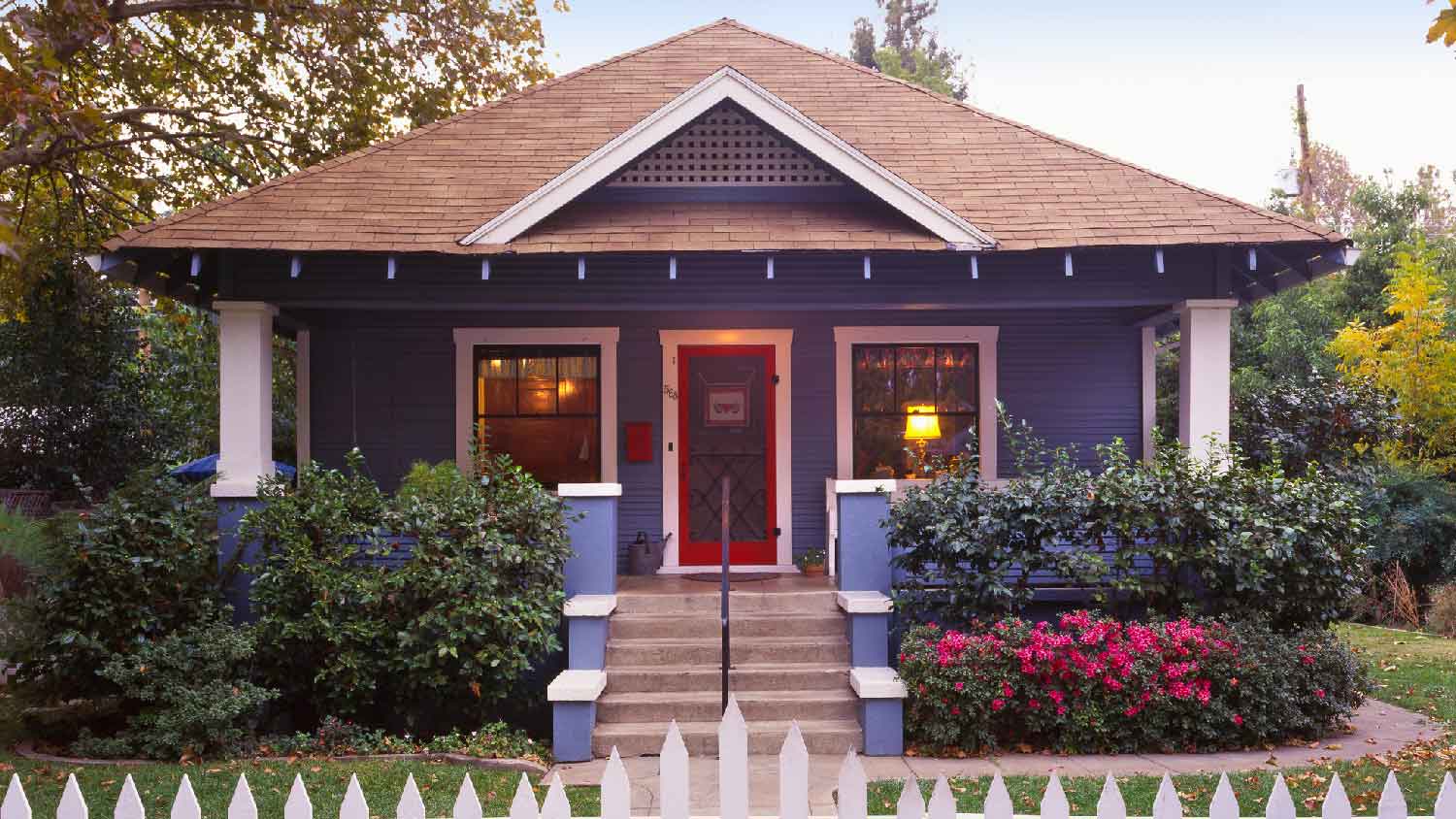
The right roof style can protect your home from weather damage. Find out the differences between gable and hip roofs to decide which is best for your home.

Looking for passive airflow for your attic? Weigh the features of two popular types of roof vents—gable vents and ridge vents—to find your best match.
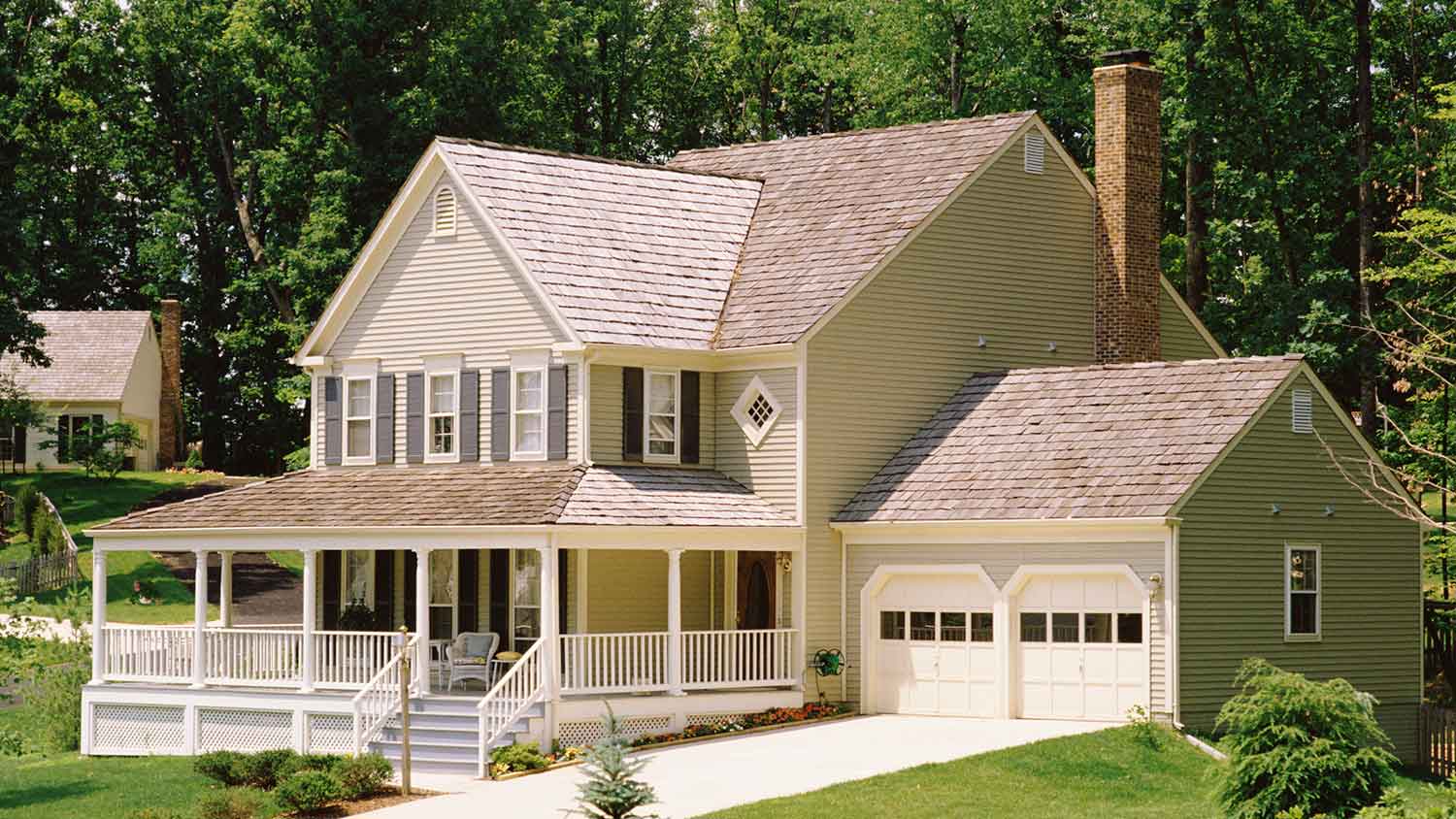
When building a new home, adding a gable roof can deliver a timeless, classic style. Learn about the seven most popular types of gable roofs.
With so many different types of roofs, it’s important to know the pros and cons of your roof’s style. Learn about 14 common roof types and how they measure up.
What is a gable vent? Found in gabled roofs, learn how these passive vents keep things cool and dry by providing ventilation in your attic space.