
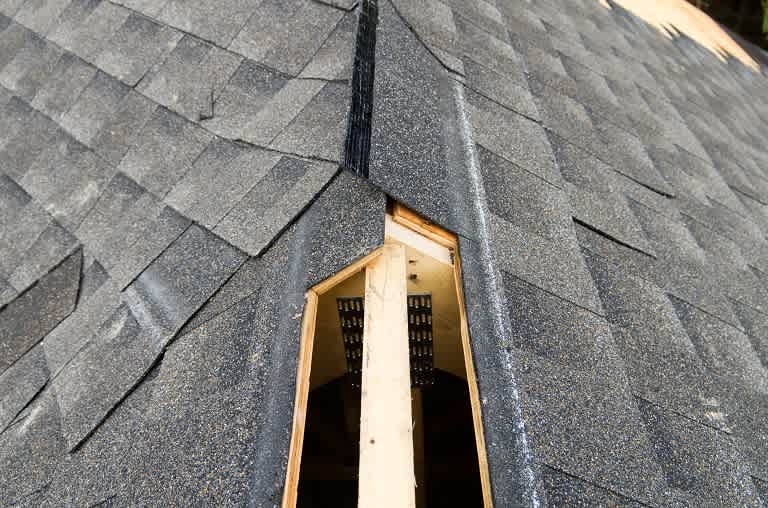
Roof ridge vents protect your home by reducing moisture in the attic. A number of factors affect ridge vent cost, and we break them down here.
We can help you decide between gable vents and ridge vents in your attic

Using gable vents and a ridge vent together prevents your ridge vent from working efficiently, as gable vents create cross breezes that disrupt natural heat rising.
You can seal gable vents with cardboard or plastic from inside your attic to test whether closing them improves temperature and comfort before making permanent changes.
Ridge vents work best on simple rooflines with long peaks, while gable vents suit complicated rooflines where ridge vents can't cover enough area for proper ventilation.
Hiring a local home energy audit professional provides clear answers about whether your ventilation system works efficiently, helping you decide which vents to keep or seal.
There’s nothing like a fresh, airy home, especially on a hot summer day. Proper roof ventilation is key to achieving that airiness. Some homeowners may not realize the importance of their roof and attic exhaust vents. But these systems are the MVPs when it comes to regulating temperature, airflow, and moisture levels. In other words, they’re kind of a big deal.
There are as many types of ventilation as there are roofs, with some older homes featuring a hodgepodge of different exhaust vent types—combination systems, including a ridge vent and gable vent, are among the most common. Here’s the scoop on mixing and matching these vents.
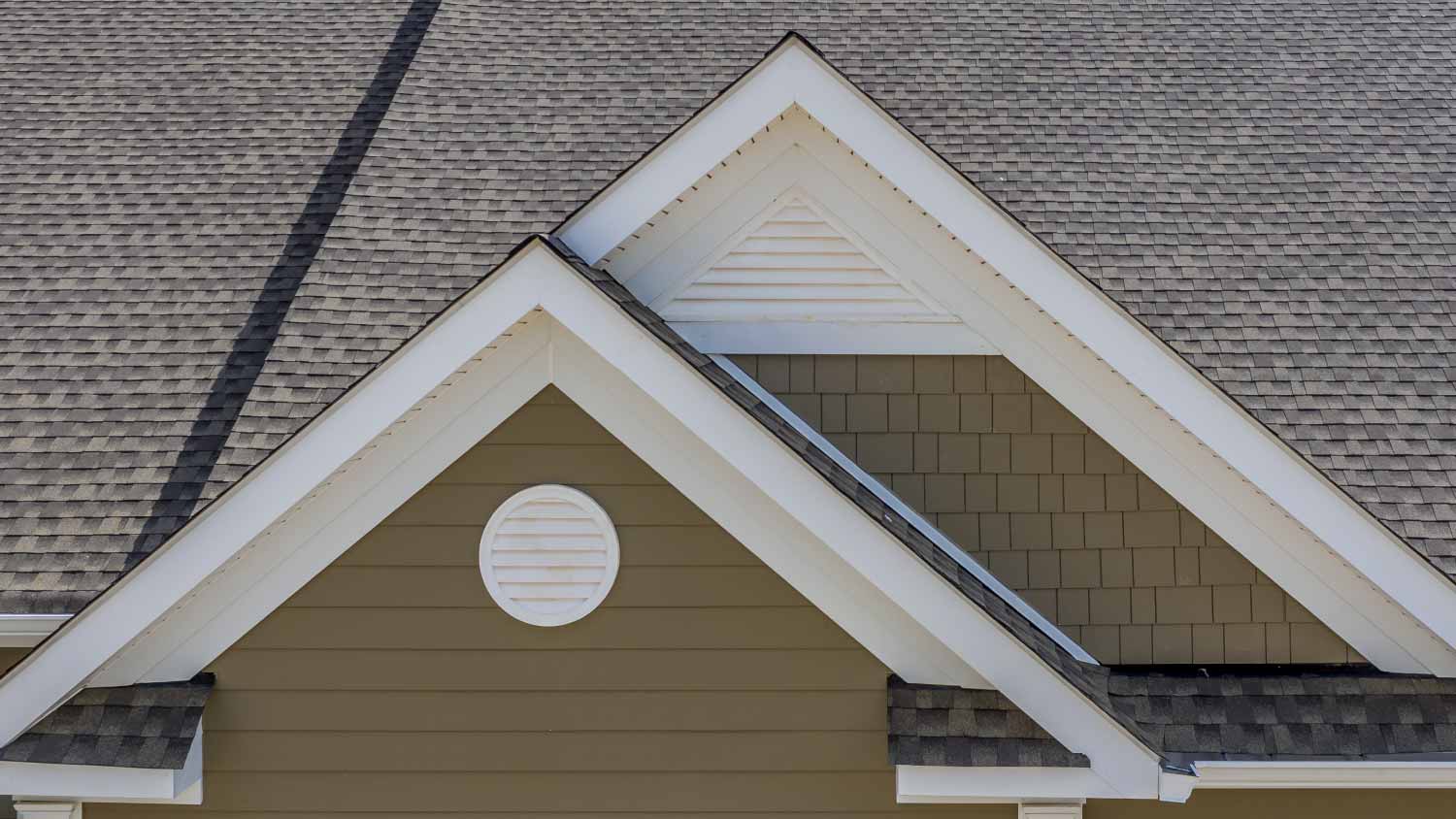
If you have a gable roof, you also likely have gable vents. How to spot a gable roof? Look for a roof with one long ridge spanning its entirety. A qualified roofer places gable vents on the sidewalls beneath the eaves at both ends of the roof.
Gable vents, otherwise known as louvered vents, passively ventilate the attic space and roof. With vents on each side of the roof, fresh air enters through one vent, and stale air squeezes through the other. Think of gable vents as two open windows on opposite sides of the room.
Gable vents were some of the most common vents in years past, and they continue to be popular among homeowners for good reason. They’re inexpensive and easier to install—especially on existing roofs. And since gable roofs can trap heat in their gabled corners, these vents are a smart choice because they specifically allow air to flow in and out of the entire attic, including the gabled peaks.
However, they don’t have screens or louvers to prevent pests, like bats and raccoons, from entering the attic, and they are not as water-resistant as ridge vents. Their location in the sidewall of the attic also means they’re less efficient than ridge vents.
| Pros | Cons |
|---|---|
| Inexpensive | Can let in rainwater |
| Easy to install | Not as efficient |
| Provide air flow | Pests can get in |
As the name indicates, ridge vents run the length of your roof’s ridge right along the peak. They offer a sleek, subtle look—they disguise themselves as matching shingles. Just like gable vents, ridge vents provide passive ventilation. Warm air rises naturally and leaves your attic via the ridge vent.
However, the design offers fantastic efficiency since this type of roof exhaust vent covers a whole lot of square footage.
Ridge vents have become more popular in recent years as contractors and homeowners have learned more about their efficiency. Because they are located at the roof's peak and often stretch along the entire length of the peak, they allow much more hot, humid air to escape the attic than other vents on the roof's sides.
The major drawback of ridge vents is that they are more expensive to install since they are longer vents. If you want to add them to your home, wait until it’s time to fully replace the roof and include them in the budget for roof replacement costs, since they’re difficult and expensive to add to an existing roof.
Ridge vents aren’t the best choice for homes with complicated rooflines, as their effectiveness comes from their long length across the top of the entire roof peak. Complicated rooflines won’t have the same expanse of venting area.
| Pros | Cons |
|---|---|
| Efficient | Expensive |
| Best for new roofs | Difficult to install |
| Sleek look | Basic rooflines only |
The simple answer is no, gable vents and ridge vents don’t work well together. If your home features both ridge vents and gable vents operating simultaneously, consider sealing up the gable vents. Different types of exhaust vents actually prevent each other from working effectively.
Ridge vents are especially good at their job when left alone. Gable vents can interrupt the “heat rising” effect encouraged by ridge vents, creating a cross breeze or circulating air back down throughout your home.
The end result? A less comfortable home and a higher energy bill. Some homeowners report that this vent combination pulls in snow to your attic during winter. Let’s keep the winter wonderland outside, shall we?
Of course, any negative impact depends on the size of your gable vents. If they’re small and don’t let much air in, the chance of a conflict with the ridge vents is minimal.
There are two simple ways to get to the bottom of any ventilation issues caused by combining exhaust types.

Hire a home energy audit pro near you or ask your power company to do one for free. You can also ask a local roofer near you to look at your existing ventilation system during your home’s next roof inspection. These technicians will expertly analyze the efficiency of your ventilation system and let you know if your ridge vents and gable vents are friends or mortal enemies.
They’ll also check in on your soffit vents to ensure they are cooperating with the rest of your exhaust system. You’ll get a report that details the efficiency of your system and lets you know of any vent conflicts. You'll also find out whether you should invest in more ventilation, such as attic fans or roof turbines.
You can roll up your sleeves and perform a simple DIY test to check on any ventilation sluggishness caused by gable vents fighting with ridge vents.
Take a temperature reading in the middle of your attic and then close the gable vents with cardboard or plastic. Leave the closed vents undisturbed for a few days and then perform another temperature check in the same location. If the temp is more comfortable than before, keep the vents sealed. If it’s less comfortable, open them back up.
If you decide to close your gable vents for the long haul, you should start by sealing up the attic-side vents with plastic or cardboard. Consider hiring a local roofer for the exterior-facing vents—unless you’re very comfortable with heights. You can cut wooden boards to fit over the outside vents to help protect against extreme weather conditions (and don't worry, there's no need to make an airtight seal). Once lined up, hammer down a nail or two and take a deep breath of freshly ventilated air.
Please take all safety precautions while sealing up gable vents, including having a second person around to hold your ladder and tools.
Lawrence Bonk contributed to this piece.
Mitchell and the crew were top tier i am so happy with my new roof
 Home Genius Exteriors
D1 Roofing delivers outstanding service from beginning to end, backed by a strong warranty and expert teams. I highly recommend them for their excellence in meeting and surpassing expectations with unmatched communication. Choosing D1 Roofing was flawless decision
 Division 1 Roofing LLC
This place took $25,000 for a flat roof job with a five-year warranty and never returned to fix the leaks that were caused by their work. These people are not professionals and should not be doing this type of work. They incorrectly changed the pitch of the roof, and caused more damage than...
The technician was very professional and friendly. He answered all my questions and was very thorough. He left the fireplace area very clean . He inspected from the roof and advised me as to other work that might need to be done. There was no pressure there. I was very satisfied with the...
 Supreme brick & chimney
I am really impressed with their timeliness and turnaround. Mitchell came out, and we decided to move forward with their pricing. Our roof was on within a week, and we could not be happier with their team! Amazing company, great prices and honest, dependable craftsmanship. I highly recommend...
 Window Depot USA of Central Ohio
Manuel Calvillo is the best option in the area for roofing and you won't be disappointed.
They damaged multiple items on my property, including a marble slab used as a table top, tried to hide it, and refused to pay or replace. Arrived day one without a ladder to access roof & delayed a day. Left a mess in back yard; didn't wear face masks; no show by owner to property to see damages
 Grants Tree Service
I've hired Gary/Cherokee Roofing for two different homes, work quality, responsiveness, and completion have been great both times. And the prices quoted were very competitive. I would definitely hire again.
Lyle did a great job removing asbestos shingles from our front porch roof. They worked together with our roofer to make sure that the new roof was able to be installed on the same day that Lyle removed the asbestos shingles.
 Lyle Environmental
Bradley Builders did a good job replacing the roof on our front porch. They color-matched the existing shingles on the rest of the house and installed a metal ridge roll since we live in a historical neighborhood. They did the job while we were out of town. When we got back, everything was...
 Bradley Builders, Inc.
From average costs to expert advice, get all the answers you need to get your job done.
Roof ridge vents protect your home by reducing moisture in the attic. A number of factors affect ridge vent cost, and we break them down here.

A dryer vent cleaning cost averages about $140 when done by a professional. Read our tips to understand the key cost factors involved in dryer vent cleaning.
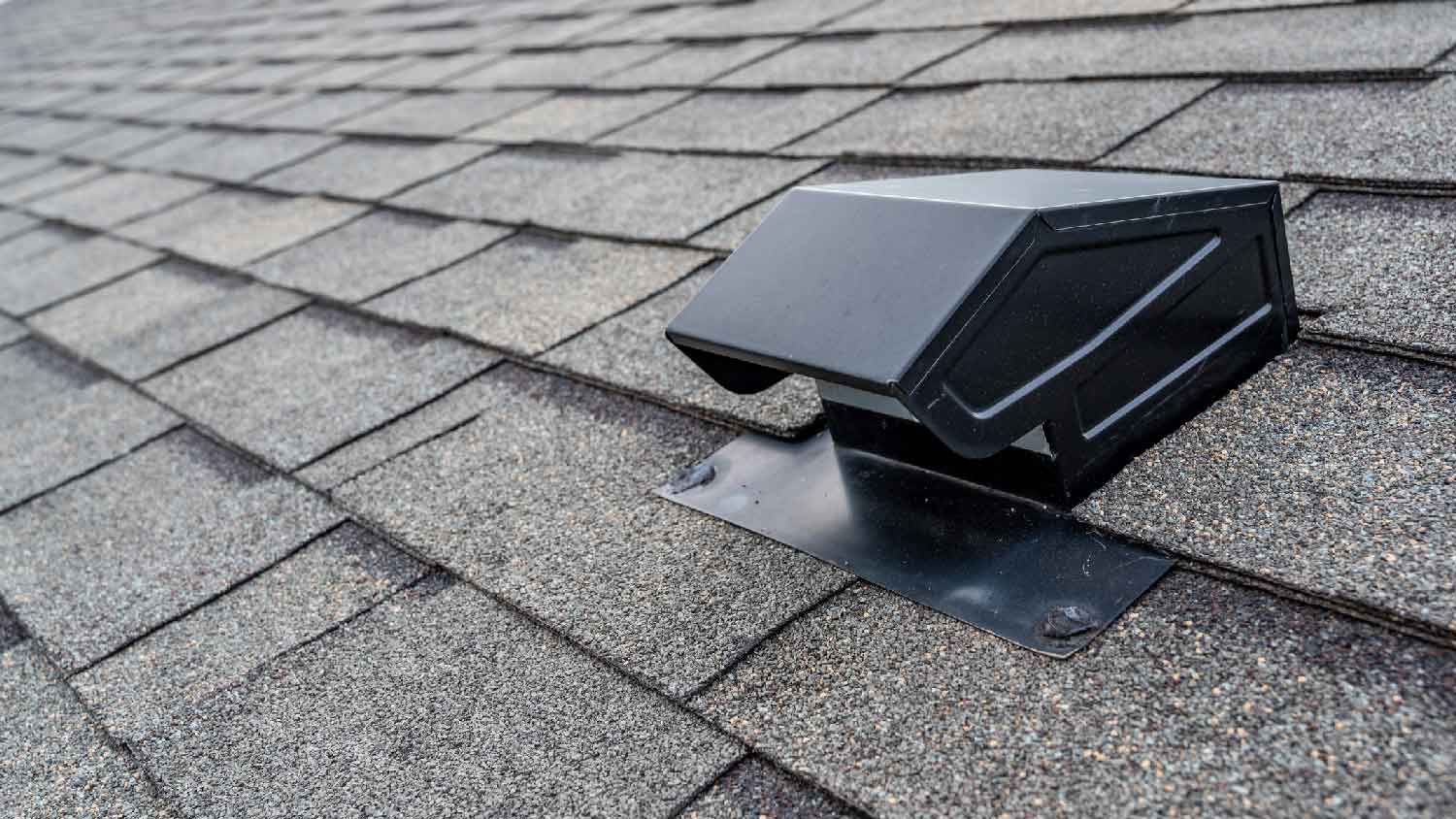
This guide lays out the cost to install a roof vent on your home depending on the type of ventilation that's best for your roof based on several factors.

Looking for passive airflow for your attic? Weigh the features of two popular types of roof vents—gable vents and ridge vents—to find your best match.
What is a gable vent? Found in gabled roofs, learn how these passive vents keep things cool and dry by providing ventilation in your attic space.
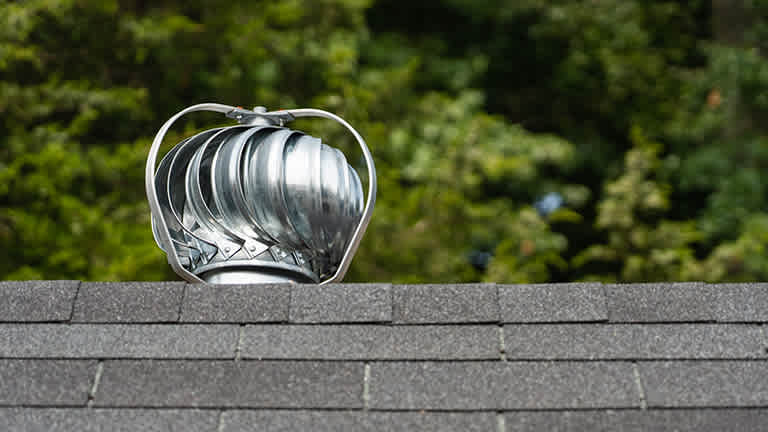
Ridge vents and turbines are both great attic ventilation solutions. Learn how they work, how effectively they cool attics, and their various pros and cons.